

Political Campaigning for 2027 Begins Prematurely in Nigeria
In the wake of the recent presidential inauguration, Nigerian politicians have already commenced campaigns for the 2027 elections, raising concerns about the impact on governance and national development. Analysts argue that this incessant politicking detracts from addressing pressing issues such as healthcare and education in the country.
The Abuja Times
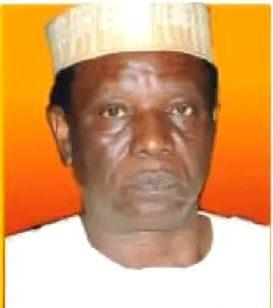
Since the inauguration of Nigeria's new president on May 29, 2023, an unsettling trend has emerged as politicians swiftly pivot their focus to the 2027 elections. This early campaigning has prompted widespread criticism from political analysts who argue that such behavior reflects a troubling prioritization of personal political ambitions over the pressing needs of the nation. The consequences of this political materialism are starkly evident in Nigeria's struggling healthcare and educational systems.
Across the nation, hospitals are in disarray, often lacking essential medical supplies, while schools suffer from severe shortages of teachers and adequate facilities; many children continue to learn under trees, highlighting a dire state of neglect in rural communities. The incessant politicking, coupled with rampant defections from opposition parties into the ruling party, exacerbates the challenges faced by ordinary Nigerians, who are left grappling with the fallout of a political landscape dominated by self-serving interests.
The Independent National Electoral Commission (INEC) has weighed in on the situation, citing Section 94(1) of the Electoral Act, which stipulates that political campaigns should only commence 150 days prior to an election. As of now, no timetable has been issued for the next election cycle, leading to concerns about the legality and ethics of the current campaign activities. This premature push for 2027 raises questions about the commitment of Nigeria's leaders to focus on governance and the welfare of their constituents.
“The continuation of electioneering at the end of one set of elections is unhealthy for a developing nation such as Nigeria,” an analyst noted, emphasizing the need for political leaders to prioritize national development over personal gains.
As the political landscape evolves, citizens and observers alike are left wondering how Nigeria can achieve meaningful growth and progress when its leaders are ensnared in the cycle of perpetual campaigning. The call for a renewed focus on governance and service delivery has never been more urgent.
Share this article with your network
Broadcast directly to WhatsApp communities and news circles.
The Abuja Morning Dispatch
Get the capital's most important political investigations, cabinet decisions, and economic intelligence delivered to your inbox every morning.
About The Abuja Times
Super Admin & Lead Director
Related Dispatches in News
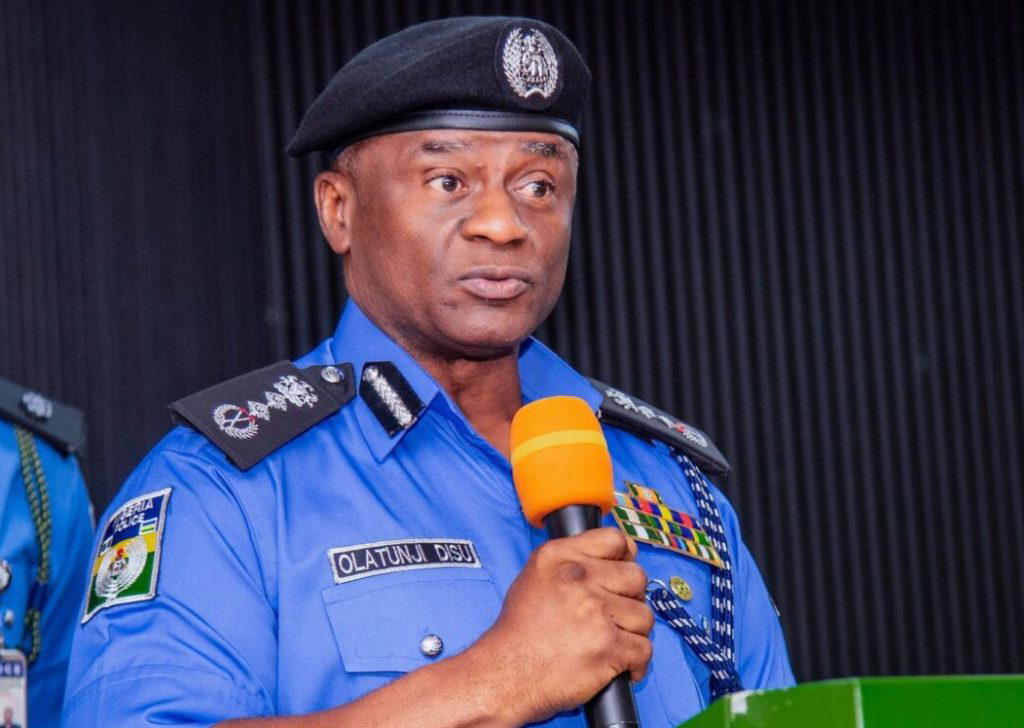
Oyo Police Rescue Month-Old Baby Sold for N2 Million, Mother Arrested
In a shocking case of child trafficking, the Oyo State Police have rescued a one-month-old baby girl who was allegedly sold for N2 million. The child’s mother and the owner of the health facility where the baby was born have been arrested as investigations continue to identify additional suspects.
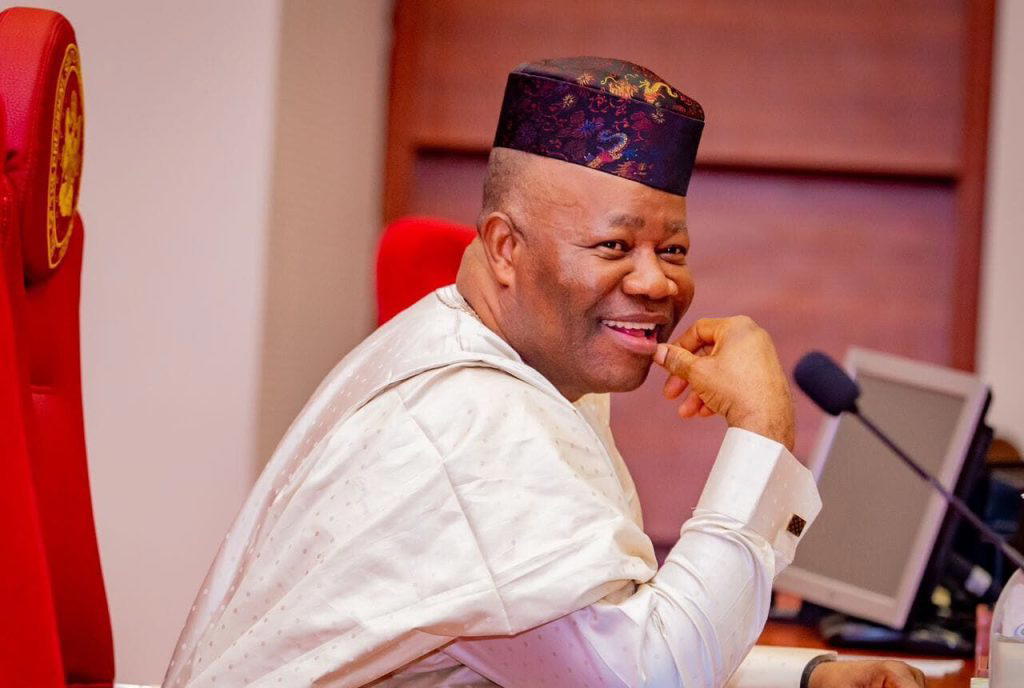
Senate Debates Decriminalization of Attempted Suicide Amidst Calls for Compassionate Care
The Nigerian Senate has sparked controversy with its punitive stance on attempted suicide, as advocates call for a shift towards compassionate care for survivors. Senator Asuquo Ekpenyong's bill to decriminalize the act faces staunch opposition, highlighting a critical debate on mental health in Nigeria.
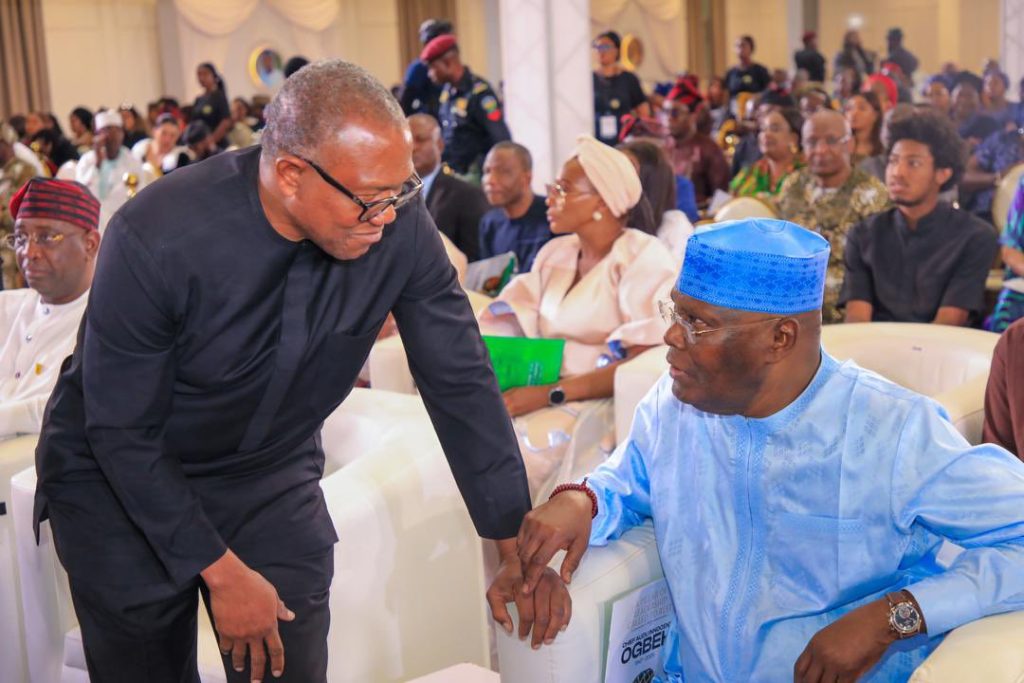
Challenges Ahead: Opposition Leaders Struggle for Unity Before 2027 Elections
As the 2027 presidential election approaches, Nigeria's opposition parties face significant hurdles in uniting against President Bola Tinubu. Rival ambitions and ideological differences threaten to derail their collective efforts to form a cohesive front.