

Governor Mutfwang Calls Out Educated Nigerians for Corruption and Institutional Decay
Plateau State Governor Caleb Mutfwang has condemned educated Nigerians for their roles in corruption and governance failures, asserting that the country's crisis stems from a moral deficit rather than a lack of intellectual capacity. Speaking at Veritas University's convocation, he urged graduates to prioritize integrity over wealth in their professional pursuits.
The Abuja Times
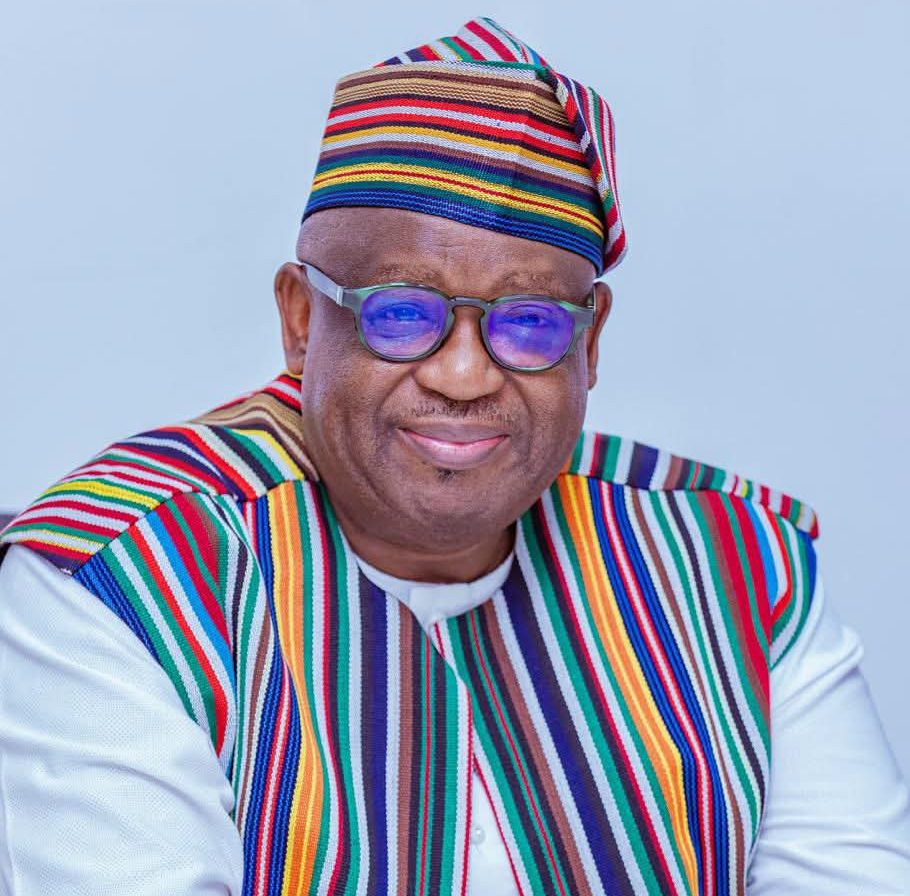
In a stark critique of Nigeria's governance landscape, Plateau State Governor Caleb Mutfwang has pointed fingers at educated Nigerians for masterminding some of the country’s most egregious corruption scandals and institutional decay. During his convocation lecture at the 15th Convocation Ceremony of Veritas University in Abuja, Mutfwang stressed that the nation’s crisis is not due to a deficiency of expertise but rather a profound failure of conscience among those in positions of influence.
Mutfwang elaborated that numerous sophisticated financial frauds, contract manipulations, and public institution subversions have been executed by individuals whose advanced education and professional skills should ideally contribute to national development. He emphasized that the misuse of education for selfish gains poses a significant threat to progress, stating, “Education without moral discipline has become a dangerous instrument against the country’s advancement.”
The governor challenged the graduating students to reflect deeply on their educational journey, urging them to reconsider the fundamental purpose of their degrees. He argued that academic achievements would be rendered meaningless if utilized for personal benefit at the expense of societal welfare. “Our development challenges cannot be attributed solely to a lack of manpower or expertise,” he asserted, emphasizing the need for ethical stewardship in all sectors.
“We must choose integrity over wealth,” Mutfwang urged, calling for a collective commitment to ethical governance and accountability among professionals.
His remarks resonate with ongoing national conversations about the intertwined nature of education, ethics, and governance in Nigeria. As the country grapples with pervasive corruption, Mutfwang's call to action serves as a poignant reminder of the responsibility that comes with education, urging the next generation to forge a path characterized by integrity and service to society.
Share this article with your network
Broadcast directly to WhatsApp communities and news circles.
The Abuja Morning Dispatch
Get the capital's most important political investigations, cabinet decisions, and economic intelligence delivered to your inbox every morning.
About The Abuja Times
Super Admin & Lead Director
Related Dispatches in News
NIMR Responds to ASURI's Claims Amid Tenure Policy Controversy
The Nigerian Institute of Medical Research (NIMR) has rebutted allegations of victimization by the Academic Staff Union of Research Institutions (ASURI) regarding the implementation of the Federal Government's tenure policy for directors. NIMR insists it is merely executing a government directive and denies any internal conflicts or personal vendettas.

Governor Mbah Appoints 68 Development Centre Administrators to Enhance Grassroots Governance
In a strategic move to bolster grassroots governance, Governor Mbah has inaugurated 68 administrators for development centres across the state, emphasizing the importance of effective communication of government initiatives. The new administrators are tasked with ensuring that government policies and projects reach more communities, fostering greater public engagement.

Nigeria Among Nine African Nations Facing Yellow Fever Outbreak with 67 Confirmed Cases
The World Health Organization reports a worrying increase in yellow fever cases across Nigeria and eight other African countries, highlighting the urgent need for vaccination and public health measures. Nigeria recorded four confirmed cases, including one fatality, further stressing the importance of vigilance against this preventable disease.