

The Significance of the Lagos-Calabar Coastal Highway: A Historical Perspective
The construction of the Lagos-Calabar coastal highway under President Bola Ahmed Tinubu is poised to have profound political, historical, and economic implications. This ambitious project acknowledges the historical importance of Calabar and its enduring legacy in Nigeria's development.
The Abuja Times

The Lagos-Calabar coastal highway, currently under construction, is more than just a road; it symbolizes a strategic initiative by President Bola Ahmed Tinubu to enhance connectivity between two vital economic hubs in Nigeria. This highway is not only a political maneuver but also a recognition of the historical significance of Calabar, a city known for its peaceful heritage and cultural richness.
Historically, Calabar has played a pivotal role in Nigeria's development, serving as a center for trade, culture, and governance. The acknowledgment of this city's importance through infrastructure development reflects a broader understanding of Nigeria's diverse regional identities and the need for inclusive growth. As the highway progresses, it is expected to bolster trade routes, facilitate movement, and enhance economic opportunities within the region.
Moreover, the Lagos-Calabar coastal highway is strategically positioned to transform the economic landscape of southeastern Nigeria. By linking the bustling commercial center of Lagos with the rich resources of Calabar, the highway aims to attract investments and stimulate local economies. This development is anticipated to create jobs and foster regional integration, thereby contributing to national economic growth.
“The construction of this highway not only acknowledges the historical significance of Calabar but also aims to redefine the economic dynamics of Nigeria,” said a local economic analyst.
As the project unfolds, it will be essential for stakeholders to ensure that the benefits of this infrastructure project extend to local communities, promoting sustainable development and preserving the cultural heritage of Calabar. Ultimately, the Lagos-Calabar coastal highway could serve as a model for future infrastructure initiatives across the nation, reflecting the intertwined nature of history, politics, and economics in shaping Nigeria’s future.
Share this article with your network
Broadcast directly to WhatsApp communities and news circles.
The Abuja Morning Dispatch
Get the capital's most important political investigations, cabinet decisions, and economic intelligence delivered to your inbox every morning.
About The Abuja Times
Super Admin & Lead Director
Related Dispatches in News
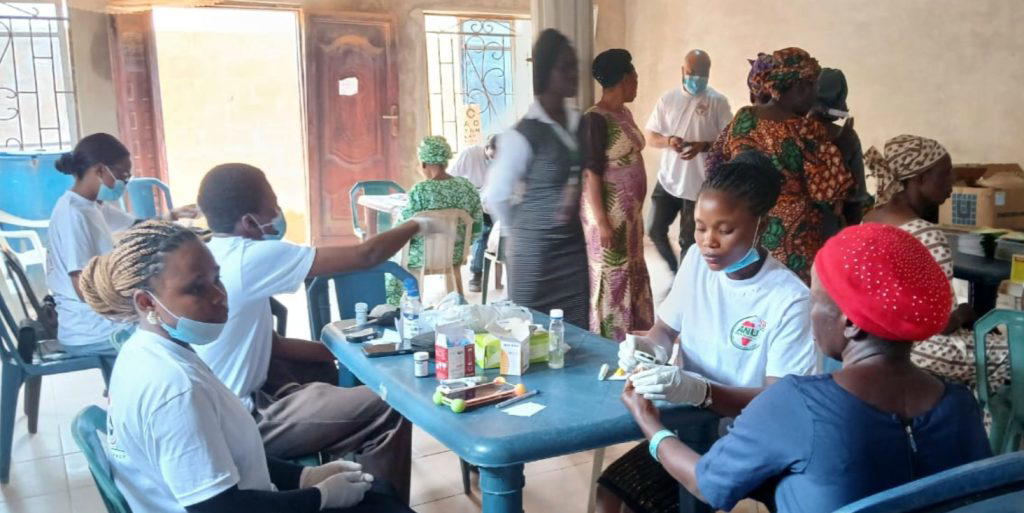
RCCG and Africa Needs U Conduct Health Screening for 600 Ogun Residents
Over 600 residents of Onihale in Ogun State received free medical screenings, revealing significant health risks such as hypertension and diabetes. The initiative, a collaboration between Africa Needs U and the RCCG, aims to address pressing health and economic challenges in the community.
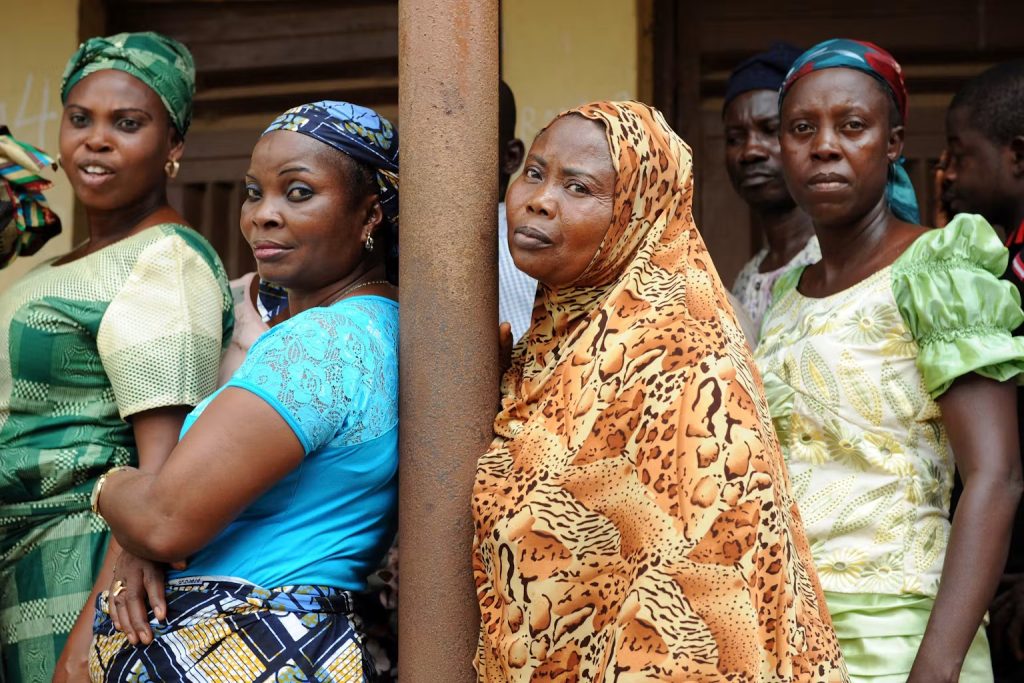
Experts Highlight Barriers to Contraceptive Access for Women in Nigeria
Despite the availability of contraceptives in Nigeria, many women face significant barriers to accessing family planning services, according to reproductive health experts. Issues such as cost, provider bias, and misinformation hinder women's ability to make informed reproductive choices.

Tragedy Strikes Cross River as Tanker Inferno Claims Life and Causes Extensive Damage
A devastating tanker fire in Cross River has resulted in one fatality and left another individual injured, underscoring the region's growing fire emergency crisis. This incident is part of a troubling trend, with 17 fire incidents reported in the state this year alone, leading to significant property losses.