

The Plight of the Poor: A Critical Examination of Abuja's Governance Failures
Former ministers exemplify the disconnect between Nigeria's leadership and the impoverished populace, as President Tinubu faces challenges in delivering effective reforms. Despite promises, systemic issues within the government hinder the distribution of essential palliatives to those in need.
The Abuja Times

In a scathing critique of Nigeria's political landscape, Dele Sobowale highlights the troubling reality that many public servants in Abuja view the nation's poor not as citizens to be uplifted, but as targets for exploitation. The stark contrast between the government's promises and the lived experiences of the impoverished is epitomized by the actions of two former Ministers of Humanitarian Services—one dismissed from office and the other evading accountability—illustrating a pattern of neglect and mismanagement that persists across administrations.
President Bola Ahmed Tinubu, like his predecessors Goodluck Jonathan and Muhammadu Buhari, is now confronted with the grim reality that his reforms may not be reaching those they are intended to help. Sobowale argues that if Tinubu seeks to understand the disconnect, he must scrutinize not only his own administration but also the operations of the Nigeria National Petroleum Company Limited (NNPCL) and the political elites whose interests often supersede those of the populace. "A leopard never changes its coat," he asserts, underscoring the entrenched nature of corruption within the system.
The article further suggests that a closer examination of Lagos Island, particularly Kakawa Street, could serve as a microcosm of the broader issues at play in the distribution of government palliatives. This area, rooted in Tinubu's own origins, could provide critical insights into how resources are allocated—or misallocated—by those in power. Past attempts by previous administrations to implement similar measures have often ended in failure, raising questions about the efficacy of current strategies.
Sobowale's commentary serves as a call to action for President Tinubu, urging him to confront the systemic barriers that prevent aid from reaching those who need it most. The time has come for a comprehensive reassessment of how humanitarian efforts are structured and executed in Nigeria, particularly in the face of rising economic challenges and deepening poverty.
Share this article with your network
Broadcast directly to WhatsApp communities and news circles.
The Abuja Morning Dispatch
Get the capital's most important political investigations, cabinet decisions, and economic intelligence delivered to your inbox every morning.
About The Abuja Times
Super Admin & Lead Director
Related Dispatches in News
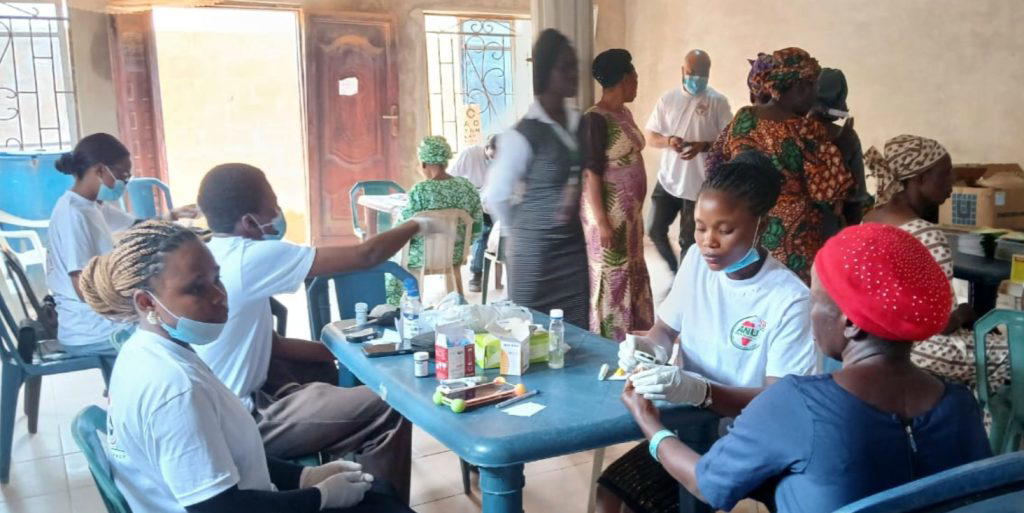
RCCG and Africa Needs U Conduct Health Screening for 600 Ogun Residents
Over 600 residents of Onihale in Ogun State received free medical screenings, revealing significant health risks such as hypertension and diabetes. The initiative, a collaboration between Africa Needs U and the RCCG, aims to address pressing health and economic challenges in the community.
Experts Highlight Barriers to Contraceptive Access for Women in Nigeria
Despite the availability of contraceptives in Nigeria, many women face significant barriers to accessing family planning services, according to reproductive health experts. Issues such as cost, provider bias, and misinformation hinder women's ability to make informed reproductive choices.

Tragedy Strikes Cross River as Tanker Inferno Claims Life and Causes Extensive Damage
A devastating tanker fire in Cross River has resulted in one fatality and left another individual injured, underscoring the region's growing fire emergency crisis. This incident is part of a troubling trend, with 17 fire incidents reported in the state this year alone, leading to significant property losses.