

The Inequities of Retirement: A Call for Systemic Change
Samuel Ortom's recent remarks highlight the stark disparities in Nigeria's political and civil service retirement benefits, drawing attention to the urgent need for reform. As some retired seniors struggle with basic needs, politicians enjoy lavish perks that starkly contrast their experiences.
The Abuja Times

In a poignant critique of Nigeria's systemic inequities, former Governor Samuel Ortom has raised alarm over the glaring disparities between the benefits enjoyed by politicians and those available to retired civil servants. His comments reflect a broader societal concern regarding the allocation of resources and privileges, which seem to favor a select few while leaving many in dire circumstances.
Ortom's observations come at a time when numerous retired senior civil servants report an inability to afford even a single vehicle post-retirement. This reality starkly contrasts with the extravagant lifestyle of politicians, who are reportedly allocated multiple vehicles—sometimes as many as 23—simply for completing a term in office. Such discrepancies not only highlight the lavishness of political life but also raise questions about the ethical implications of these unequal distributions of wealth and resources.
“It is disheartening that while some citizens are left struggling to make ends meet, others bask in unearned luxury,” Ortom lamented. His remarks resonate with many Nigerians who have long expressed discontent with the status quo, calling for a reevaluation of how benefits and entitlements are structured within the government system.
The public outcry surrounding Ortom's statements underscores a growing demand for systemic change that addresses these inequalities. Advocates for reform argue that it is imperative to create a more equitable framework that ensures all citizens, regardless of their status, enjoy a dignified retirement. This would not only promote fairness but also restore faith in the governance system.
As discussions around these issues continue, it becomes increasingly clear that a rethinking of Nigeria's approach to retirement benefits is essential. The need for a balanced and just system that honors the contributions of all public servants, rather than just those in political office, is paramount for national progress.
Share this article with your network
Broadcast directly to WhatsApp communities and news circles.
The Abuja Morning Dispatch
Get the capital's most important political investigations, cabinet decisions, and economic intelligence delivered to your inbox every morning.
About The Abuja Times
Super Admin & Lead Director
Related Dispatches in News
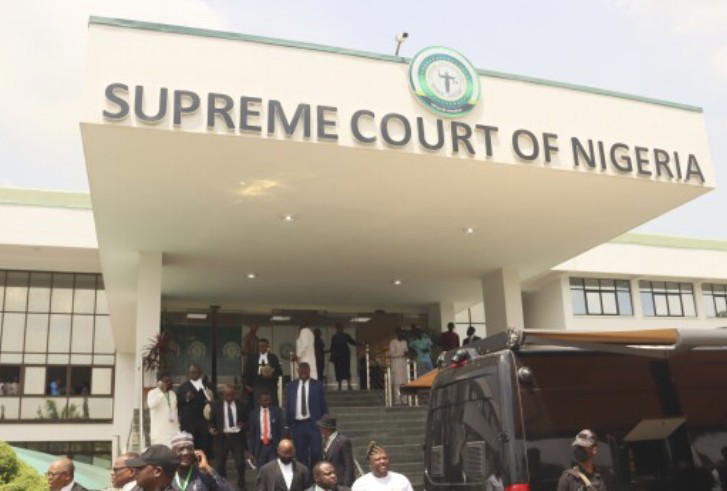
Supreme Court Ruling Creates Uncertainty for INEC Candidates Ahead of Final List Release
Anxiety looms among political candidates as the Independent National Electoral Commission awaits a crucial Supreme Court ruling before finalizing the list of governorship and assembly candidates. The electoral body is set to meet with stakeholders tomorrow to discuss the implications of the ruling, which remains pending.

INEC Prepares for 2027 General Elections with Key Stakeholders Meeting
The Independent National Electoral Commission (INEC) is set to convene a national stakeholders’ meeting, marking the beginning of a 100-day countdown to the upcoming 2027 general elections. This briefing aims to update the public on the commission's preparations and engage stakeholders in the electoral process.

Reassessing the Concession of King’s College: A Reflection on Governance Failures
The recent concession of King’s College, a historic institution established in 1909, raises serious concerns about the government's decision-making process. Critics argue that this move reflects a broader pattern of mismanagement and oversight in Nigeria's educational sector.