

The Impact of Artificial Intelligence on Media Authenticity in Nigeria: Preparing for 2027
As Nigeria grapples with the longstanding challenges of propaganda, the advent of artificial intelligence introduces new dimensions to the dissemination of fabricated information. Experts warn that by 2027, the nation must adapt to the realities of synthetic media that could significantly influence public perception and democracy.
The Abuja Times

Nigeria has a rich history of dealing with propaganda and misleading narratives, but the rise of artificial intelligence (AI) has the potential to revolutionize how these messages are produced and spread. With AI tools becoming increasingly sophisticated and accessible, the ability to create convincing synthetic media—such as deepfakes and fabricated news articles—raises critical questions about the integrity of information and its impact on society. Experts believe that by 2027, Nigeria must be prepared to confront the challenges posed by this new technological landscape.
The ease with which AI can generate convincing fake content means that misinformation could reach wider audiences, potentially swaying public opinion and affecting political outcomes. “What AI changes is how cheaply convincing material can be produced and how far it can travel,” noted a media analyst who specializes in digital communications. This shift could undermine trust in traditional media outlets and exacerbate existing divisions within the populace.
As Nigeria approaches the 2027 general elections, the implications of unchecked synthetic media are particularly concerning. Political campaigns may be flooded with deceptive content designed to manipulate voter sentiments, making it essential for regulators and civil society to prioritize media literacy and fact-checking initiatives. Educating the public on recognizing disinformation will be crucial in safeguarding democracy and ensuring informed decision-making.
“To combat the threats from synthetic media, we need a multi-faceted approach that involves technology companies, government agencies, and civil society,” emphasized the analyst. “If we fail to act now, we could see a scenario where the truth is overshadowed by a barrage of AI-generated lies.”
In conclusion, as Nigeria stands on the brink of a new era in media, it is imperative for stakeholders to proactively address the challenges posed by artificial intelligence. By fostering an informed citizenry and implementing robust regulatory frameworks, the nation can navigate the complexities of synthetic media and protect its democratic values as it moves towards 2027.
Share this article with your network
Broadcast directly to WhatsApp communities and news circles.
The Abuja Morning Dispatch
Get the capital's most important political investigations, cabinet decisions, and economic intelligence delivered to your inbox every morning.
About The Abuja Times
Super Admin & Lead Director
Related Dispatches in Lifestyle & Culture

Savoring Chef T's Jollof: A Culinary Experience at Swoop’s Lagos Table
In a delightful culinary collaboration, Chef T introduces a delicious jollof combo at Swoop in Lagos, priced at ₦1,000. This tasting event showcases the rich flavors and creativity behind one of Nigeria's beloved dishes, merging it with the innovative spirit of Swoop and Burger King.

Dapo Olorunyomi Honored with AMDF Lifetime Achievement Award for Contributions to Journalism
Veteran journalist Dapo Olorunyomi is set to receive the prestigious AMDF Lifetime Achievement Award, recognizing his significant impact on development journalism and ethical reporting in Africa. This accolade celebrates professionals whose work has profoundly influenced public discourse across the continent.
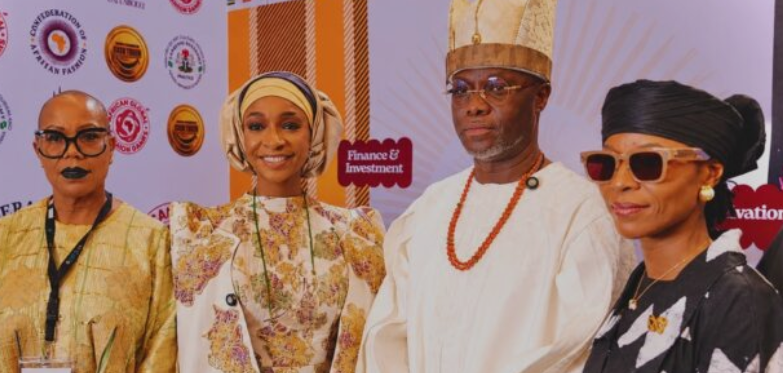
CAFA Advocates for Unified Policies to Elevate Africa's Fashion Economy to $500 Billion
The Confederation of African Fashion (CAFA) is urging African nations to synchronize their fashion policies and invest in local manufacturing to unlock the continent's potential. CAFA President, Professor Lai Labode, emphasized the need for structural support to transform Africa's abundant creative talent into economic value during the CANEX WKND 2026 event.