

Surge in Banking Liquidity Amidst Rising Poverty in Nigeria
Nigeria's banking sector sees a 17% increase in liquidity, reaching N5.53 trillion, despite widespread poverty. The Central Bank of Nigeria attributes this surge to maturing bills and government allocations, prompting significant interventions to manage excess cash.
The Abuja Times
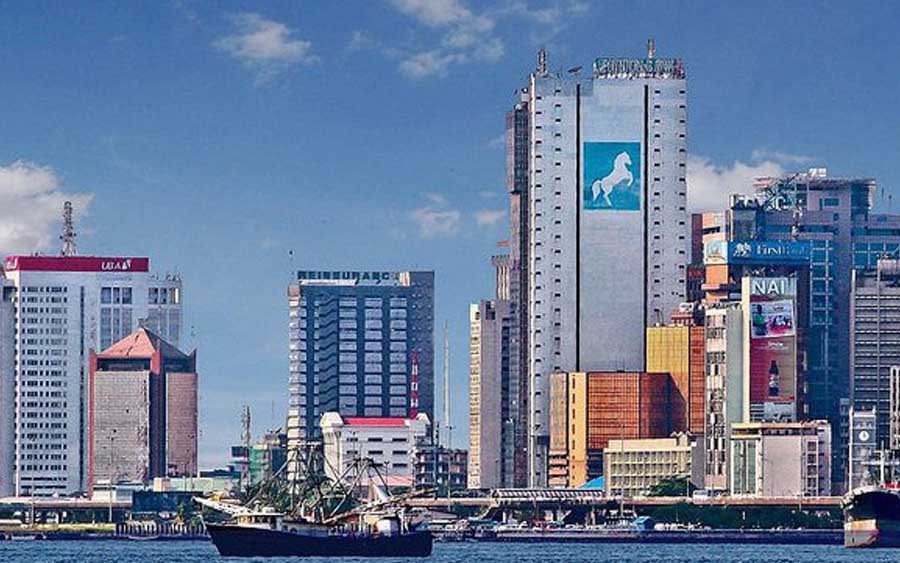
In a paradoxical twist, Nigeria's financial sector is witnessing a remarkable surge in liquidity, with average net liquidity in the banking system rising to N5.53 trillion in May 2026—an increase of 17.16% from April's N4.72 trillion. This financial influx occurs against the backdrop of persistent poverty affecting a substantial portion of the population, raising questions about the distribution of wealth and economic stability in the country.
The Central Bank of Nigeria (CBN), in its Monthly Economic Report for May 2026, indicated that this sharp rise in liquidity was largely fueled by inflows from maturing CBN bills, bond coupons, and allocations from the Federation Account Allocation Committee (FAAC). Such developments have contributed to a more stable environment for short-term interest rates, despite the overarching economic challenges faced by many Nigerians.
To mitigate the effects of excess liquidity, the CBN has intensified its Open Market Operations (OMO), offering N3.6 trillion in CBN bills. However, the response from investors has been unprecedented, with subscriptions soaring to an impressive N14.4 trillion. The central bank ultimately allotted N12.54 trillion, with stop rates fluctuating between 19.97% and 21.90%. According to the CBN, this overwhelming demand reflects both the liquidity surplus and the attractive returns on investment available at this time.
“The higher-than-expected subscription reflected liquidity surfeit and attractive returns,” stated the CBN in its report. “Overall, the liquidity operations of the Bank resulted in net withdrawal from the banking system.”
As the Federal Government continues to navigate its domestic financing strategies through Nigerian Treasury Bills (NTBs), the juxtaposition of abundant liquidity and widespread economic hardship underscores the complexities of Nigeria's financial landscape. Stakeholders are left pondering how to reconcile the thriving banking sector with the pressing socio-economic challenges that persist across the nation.
Share this article with your network
Broadcast directly to WhatsApp communities and news circles.
The Abuja Morning Dispatch
Get the capital's most important political investigations, cabinet decisions, and economic intelligence delivered to your inbox every morning.
About The Abuja Times
Super Admin & Lead Director
Related Dispatches in Business

Dangote Foundation to Empower 778,000 Women with Shares in New Refinery Initiative
In a significant move towards women's empowerment, the Dangote Foundation has announced plans to distribute refinery shares to 778,000 women across 15 states in Nigeria. This initiative is part of a broader goal to uplift two million vulnerable women nationwide.
Nigeria Enters Global Measurement Agreement, Boosting Trade and Standards
Nigeria has officially joined a prestigious global measurement pact by signing the Mutual Recognition Arrangement of the International Committee for Weights and Measures in France. This milestone, achieved under the leadership of Dr. Ifeanyi Chukwunonso Okeke, promises to enhance Nigeria's international trade and recognition in measurement standards.
Geometric Power's Aba Initiative Transforms Electricity Supply Landscape
The Aba Integrated Power Project is revolutionizing electricity access in Aba, Abia State, offering unprecedented reliability to both businesses and households. This $900 million investment aims to alleviate the burden of chronic power shortages that have plagued Nigeria's industrial sector for decades.