

Nigeria Faces Urgent Call to Safeguard Educational Institutions Amid Rising Attacks
As Nigeria marks the International Day to Protect Education from Attack, concerns mount over the safety of schools in a nation plagued by violent abductions. With thousands of students and teachers affected, the need for effective measures to secure classrooms has never been more pressing.
The Abuja Times
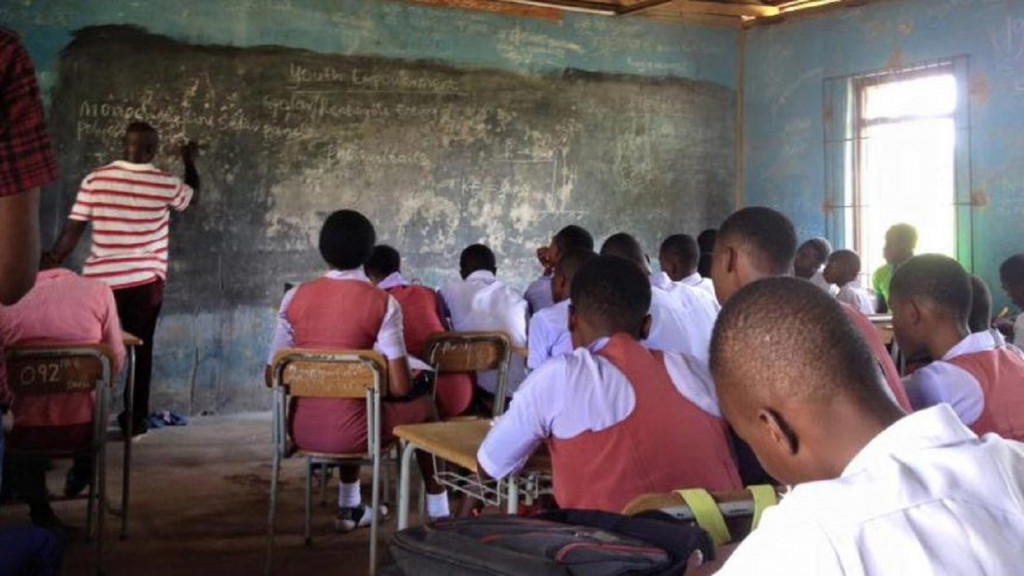
This year's International Day to Protect Education from Attack, observed on September 9, carries a poignant significance for Nigeria as schools resume for the 2026/2027 academic session. The theme, “Can Education Survive Attack: The Resilience of Human Communities,” resonates deeply in a nation where the safety of children in classrooms is frequently compromised. The alarming trend of school abductions serves as a harsh reminder of the government's deteriorating ability to fulfill its fundamental duty to protect its citizens, especially the most vulnerable.
Educational institutions, designed to be sanctuaries for learning, have increasingly become targets for terrorists and bandits who exploit the academic environment for ransom and psychological warfare. According to the Global Coalition to Protect Education from Attack, there were over 8,566 recorded attacks on educational facilities globally between 2024 and 2025, marking a staggering 40 percent increase from the previous two years. The repercussions of this violence have been devastating, impacting at least 10,600 students, teachers, and education personnel around the world.
In Nigeria, the situation is particularly dire. For instance, in Askira-Uba Local Government Area of Borno State, only 56 out of 113 primary schools were operational as of late August 2026. This stark statistic highlights the severe disruption to education caused by insecurity. Furthermore, the haunting memories of the abductions in Chibok, Dapchi, and Kankara linger in the national consciousness, serving as a grim reminder of the ongoing crisis. As of now, approximately 80 students kidnapped during attacks in May and June remain unaccounted for, underscoring the urgent need for improved safety measures.
The persistent threat to education in Nigeria raises critical questions about the effectiveness of current security strategies. The recent abduction of 25 schoolgirls from Government Girls Comprehensive Secondary School in Maga on November 17, 2025, exemplifies the urgent need for the government to take decisive action. Parents and educators alike are calling for a systemic overhaul to ensure that classrooms are once again seen as safe havens for children, free from the specter of violence and abduction.
Share this article with your network
Broadcast directly to WhatsApp communities and news circles.
The Abuja Morning Dispatch
Get the capital's most important political investigations, cabinet decisions, and economic intelligence delivered to your inbox every morning.
About The Abuja Times
Super Admin & Lead Director
Related Dispatches in News

Tragic Aircraft Crash Claims 32 Lives as President Tinubu Expresses Condolences
A devastating aircraft crash in Nigeria has reportedly claimed the lives of all 32 individuals on board, prompting an outpouring of grief from President Bola Ahmed Tinubu. The president has extended his heartfelt condolences to the families of the victims, including 25 passengers and seven crew members.

Kano Politician Faces Backlash for Alleged Gun Display at Political Rally
A prominent member of the Nigeria Democratic Congress is under scrutiny after being recorded firing shots into the air during a rally in Kano State. This incident has raised serious concerns about political violence and the enforcement of firearm regulations in Nigeria.

Sokoto Health College Refutes Claims of Student Abduction on Route to Oyo
The Gamji College of Health Technology in Sokoto has officially denied reports alleging the kidnapping of 18 students traveling to Oyo State. The institution reassures the public that all its students are safe and accounted for.