

Evaluating Presidential Health: A Crucial Factor for Nigeria's 2027 Elections
As Nigeria gears up for the 2027 presidential elections, the health of candidates has emerged as a pressing concern. With constitutional provisions acknowledging medical incapacity, citizens demand transparency and assessment mechanisms for those aspiring to lead the nation.
The Abuja Times

As Nigeria approaches the pivotal 2027 presidential election, discussions have primarily focused on the qualifications, integrity, and eligibility of prospective candidates. However, a critical question looms: Are these individuals medically capable of fulfilling the immense responsibilities that accompany the presidency? This inquiry transcends age or disability; it calls for consideration of capacity, transparency, and national security.
The current Nigerian Constitution, while not explicitly mandating medical evaluations for presidential candidates, does address the ramifications of medical incapacity. Section 137 highlights concerns regarding unsoundness of mind, and Section 144 outlines a constitutional process for determining whether a sitting President or Vice-President is permanently incapacitated due to health issues. These provisions underscore the serious nature of medical incapacity in the context of governance, raising the question of why similar assessments are not required for candidates before elections.
Nigeria's experience during former President Muhammadu Buhari's administration serves as a sobering reminder of the implications of presidential health issues. Prolonged medical absences and a lack of transparency regarding the President's health sparked widespread public anxiety and political controversy. As the nation reflects on these experiences, there is a clear imperative to develop credible mechanisms for assessing the health of candidates seeking the presidency.
“If the Constitution recognizes medical incapacity as serious enough to potentially remove a sitting President, Nigerians are entitled to ask why there should be no credible mechanism for assessing presidential candidates before they are elected.”
As the electoral process unfolds, it is essential for the electorate to advocate for transparency in the health status of candidates. The intersection of health and leadership capability is not merely a matter of personal privacy; it is a national security concern that could significantly impact the country's future. Therefore, as the 2027 elections draw nearer, the dialogue surrounding candidates' health must be prioritized to ensure that Nigeria elects a leader capable of meeting the demands of the office.
Share this article with your network
Broadcast directly to WhatsApp communities and news circles.
The Abuja Morning Dispatch
Get the capital's most important political investigations, cabinet decisions, and economic intelligence delivered to your inbox every morning.
About The Abuja Times
Super Admin & Lead Director
Related Dispatches in News
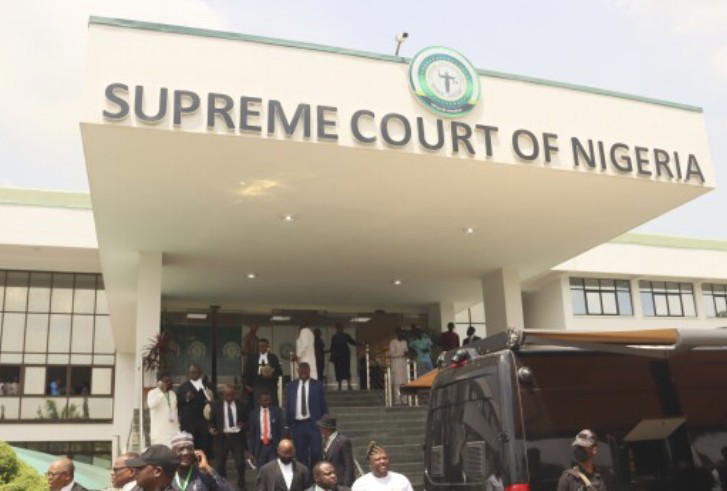
Supreme Court Ruling Creates Uncertainty for INEC Candidates Ahead of Final List Release
Anxiety looms among political candidates as the Independent National Electoral Commission awaits a crucial Supreme Court ruling before finalizing the list of governorship and assembly candidates. The electoral body is set to meet with stakeholders tomorrow to discuss the implications of the ruling, which remains pending.

INEC Prepares for 2027 General Elections with Key Stakeholders Meeting
The Independent National Electoral Commission (INEC) is set to convene a national stakeholders’ meeting, marking the beginning of a 100-day countdown to the upcoming 2027 general elections. This briefing aims to update the public on the commission's preparations and engage stakeholders in the electoral process.

Reassessing the Concession of King’s College: A Reflection on Governance Failures
The recent concession of King’s College, a historic institution established in 1909, raises serious concerns about the government's decision-making process. Critics argue that this move reflects a broader pattern of mismanagement and oversight in Nigeria's educational sector.