

Economic Leadership or Club Management? A Critical Look at Nigeria's Economic Advisers
A recent televised interview with an economic adviser to President Tinubu has raised eyebrows regarding the government's approach to economic data and policy. As Nigeria approaches a critical election period, the implications of such dismissals underscore a troubling trend in the management of the nation's economy.
The Abuja Times

In a recent televised interview, a senior economic adviser to President Bola Tinubu drew significant attention by openly questioning the validity of economic data provided by the National Bureau of Statistics (NBS). This incident not only highlights the precarious state of Nigeria's economic management but also raises questions about the underlying motivations of those in charge during an election season.
The adviser’s remarks, while seemingly casual, reflect a broader trend where political considerations take precedence over sound economic governance. As Uddin Ifeanyi notes in his opinion piece, the tendency for leaders to prioritize personal or political agendas over factual economic data could have dire consequences for Nigeria's economic stability and growth.
Moreover, this incident serves as a reminder that the management of Nigeria's economy has at times resembled the operations of a social club rather than a serious enterprise. The implications of such an approach can be detrimental, particularly as the country grapples with pressing challenges such as inflation, unemployment, and foreign investment.
“The disconnect between economic policy and reality is alarming, especially when those in power dismiss statistical evidence,” Ifeanyi argues, underscoring the need for a more grounded approach to economic management.
As Nigeria prepares for general elections, the electorate must be vigilant about who they trust to steer the economy. The ability to interpret and utilize economic data effectively is critical for any leader, and the current discourse suggests that accountability and expertise may be in short supply.
Share this article with your network
Broadcast directly to WhatsApp communities and news circles.
The Abuja Morning Dispatch
Get the capital's most important political investigations, cabinet decisions, and economic intelligence delivered to your inbox every morning.
About The Abuja Times
Super Admin & Lead Director
Related Dispatches in News
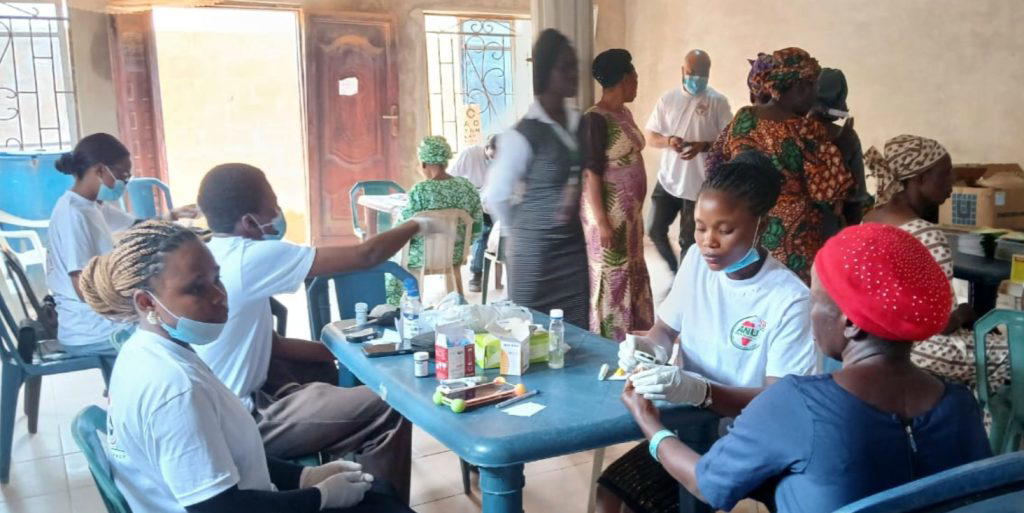
RCCG and Africa Needs U Conduct Health Screening for 600 Ogun Residents
Over 600 residents of Onihale in Ogun State received free medical screenings, revealing significant health risks such as hypertension and diabetes. The initiative, a collaboration between Africa Needs U and the RCCG, aims to address pressing health and economic challenges in the community.
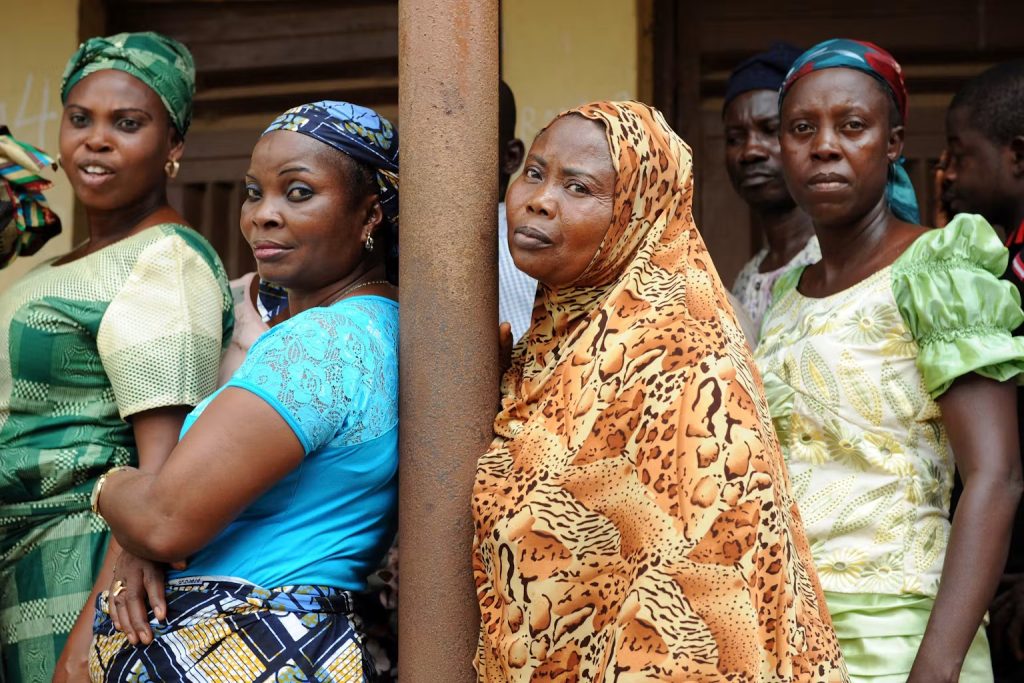
Experts Highlight Barriers to Contraceptive Access for Women in Nigeria
Despite the availability of contraceptives in Nigeria, many women face significant barriers to accessing family planning services, according to reproductive health experts. Issues such as cost, provider bias, and misinformation hinder women's ability to make informed reproductive choices.

Tragedy Strikes Cross River as Tanker Inferno Claims Life and Causes Extensive Damage
A devastating tanker fire in Cross River has resulted in one fatality and left another individual injured, underscoring the region's growing fire emergency crisis. This incident is part of a troubling trend, with 17 fire incidents reported in the state this year alone, leading to significant property losses.