

Dietitians Call for Withdrawal of Nutritionists’ Council Bill Over Quackery Concerns
The Institute for Dietetics in Nigeria has raised alarms about the proposed Nutritionists’ Council Bill, arguing it fails to ensure that only qualified professionals can practice in the field. Experts warn that passing the bill as it stands could exacerbate the issue of quackery in nutrition and dietetics.
The Abuja Times

The Institute for Dietetics in Nigeria has formally urged the National Assembly to withdraw the proposed Nutritionists’ Council Bill, expressing serious concerns about its implications for the practice of nutrition and dietetics in the country. According to the Institute, the bill lacks sufficient measures to restrict practice to only qualified and certified professionals, which could lead to an increase in quackery within the sector.
In a statement released by the Institute, representatives highlighted that the current formulation of the bill does not adequately protect the public from unqualified practitioners who may misrepresent their credentials and offer potentially harmful dietary advice. “If this bill is passed without the necessary amendments, we risk allowing individuals without proper training to operate in an area critical to public health,” the statement read.
Dietitians have emphasized that professional oversight is essential to maintain standards in nutrition, which plays a crucial role in health promotion and disease prevention. They argue that the proposed bill, in its present form, could undermine the credibility of certified dietitians and nutritionists, thereby eroding public trust in nutrition-related services.
“This is not just about the profession; it’s about the health and safety of the Nigerian populace,” said a spokesperson for the Institute. “We cannot afford to compromise on the standards of care that individuals receive regarding their nutrition.”
The call for withdrawal of the bill comes at a time when the importance of proper nutrition is increasingly recognized in combating health issues such as obesity and diabetes in Nigeria. The Institute is advocating for a revised version of the bill that includes stricter regulations and qualifications to ensure that only those trained in accredited programs can provide nutritional services.
Share this article with your network
Broadcast directly to WhatsApp communities and news circles.
The Abuja Morning Dispatch
Get the capital's most important political investigations, cabinet decisions, and economic intelligence delivered to your inbox every morning.
About The Abuja Times
Super Admin & Lead Director
Related Dispatches in News
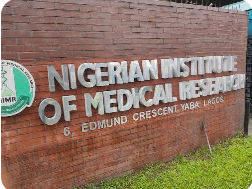
NIMR Responds to ASURI's Claims Amid Tenure Policy Controversy
The Nigerian Institute of Medical Research (NIMR) has rebutted allegations of victimization by the Academic Staff Union of Research Institutions (ASURI) regarding the implementation of the Federal Government's tenure policy for directors. NIMR insists it is merely executing a government directive and denies any internal conflicts or personal vendettas.

Governor Mbah Appoints 68 Development Centre Administrators to Enhance Grassroots Governance
In a strategic move to bolster grassroots governance, Governor Mbah has inaugurated 68 administrators for development centres across the state, emphasizing the importance of effective communication of government initiatives. The new administrators are tasked with ensuring that government policies and projects reach more communities, fostering greater public engagement.

Nigeria Among Nine African Nations Facing Yellow Fever Outbreak with 67 Confirmed Cases
The World Health Organization reports a worrying increase in yellow fever cases across Nigeria and eight other African countries, highlighting the urgent need for vaccination and public health measures. Nigeria recorded four confirmed cases, including one fatality, further stressing the importance of vigilance against this preventable disease.