

Trump Reflects on Toughness of Mass Deportation Policy Amid Election Fallout
In a recent interview, former U.S. President Donald Trump acknowledged that his mass deportation strategy might have been excessively harsh. This admission comes in the wake of significant losses for the Republican Party in the midterm elections, prompting discussions on immigration policies within the party.
The Abuja Times
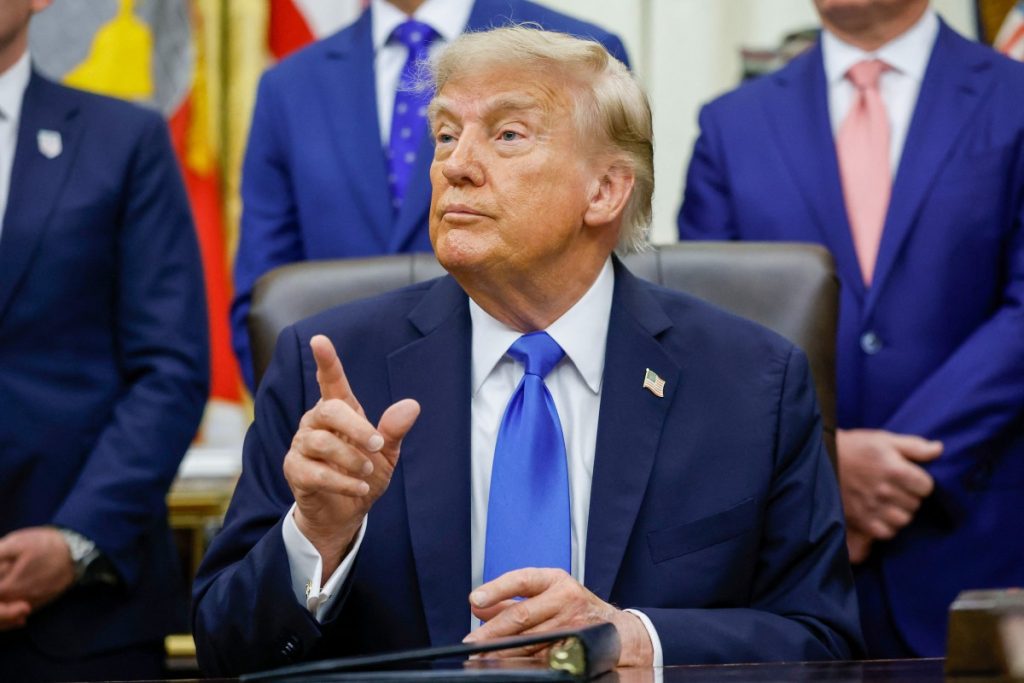
Former U.S. President Donald Trump has publicly reconsidered his administration's aggressive mass deportation policy, admitting during an interview with CBS that it may have been 'too tough.' This reflection was aired on CBS's '60 Minutes' and comes shortly after the Republican Party faced significant setbacks in the recent midterm elections, raising questions about the future direction of its immigration strategies.
During the interview, Trump stated, 'I think it was too tough... I think it might be too tough,' indicating a potential shift in his stance on immigration enforcement. This statement has sparked discussions about the balance between securing borders and maintaining humane treatment of undocumented immigrants, a topic that has polarized American politics.
Despite this admission, Trump has reaffirmed his commitment to his previous hardline policies by appointing Stephen Miller, a key architect of the mass deportation strategy, as his chief of staff. Miller has been a controversial figure, known for his staunch immigration enforcement stance, which has drawn both support and criticism. His appointment signals Trump's intent to double down on his immigration agenda, even as the party grapples with the electoral consequences of its policies.
Trump's approach has garnered domestic support for border security but has also faced backlash for its harsh tactics, including reports of violence associated with immigration enforcement.
This evolving narrative around Trump's immigration policy reflects broader tensions within the Republican Party as it seeks to redefine its identity and appeal to a changing electorate in the wake of the midterm results. How this will influence future policies remains to be seen, but the party's internal debates are likely to continue as it prepares for upcoming elections.
Share this article with your network
Broadcast directly to WhatsApp communities and news circles.
The Abuja Morning Dispatch
Get the capital's most important political investigations, cabinet decisions, and economic intelligence delivered to your inbox every morning.
About The Abuja Times
Super Admin & Lead Director
Related Dispatches in News
APC Leader Highlights Alarming 73% Voter Apathy in Aramoko Ahead of 2027 Elections
Engineer Atinuke Owolabi, a prominent APC figure, warns that a striking 73% of registered voters in Aramoko-Ekiti did not participate in the recent presidential election, underscoring a critical need for voter education. During a community engagement event, she emphasized that increased awareness could bolster democratic participation in rural areas.

Atiku Abubakar's Candidacy Survives Legal Challenge Amid National Controversy
Former Vice-President Atiku Abubakar's bid for the 2027 elections remains intact, following a dramatic legal reversal that nullified the disqualification of his party's candidates. The unexpected turn of events has reignited discussions about his political resilience and future prospects.

Reestablishing Authority: The Challenges of Sovereignty Recovery in Nigeria
Despite significant investments in infrastructure and governance, the restoration of authority in troubled territories remains elusive. This analysis delves into the complexities of recovery sequencing and the necessity for genuine engagement with local populations to ensure lasting sovereignty.