

Cyberattacks Complicated INEC's Digital Operations During 2023 Elections, Says Former Commissioner
Festus Okoye, a former National Commissioner of INEC, revealed that cyberattacks targeted the commission's platforms during the 2023 presidential elections, hampering the uploading of results. The incident raised significant concerns about the reliability of the electoral process and the effectiveness of the technology employed.
The Abuja Times

In a recent interview, Festus Okoye, a former National Commissioner of the Independent National Electoral Commission (INEC), disclosed that cyberattacks significantly impacted the commission's digital platforms during the 2023 presidential elections. Speaking on the podcast Deep Insights, hosted by Austin Agbonsuremi, Okoye elaborated on how these malicious attempts interfered with the uploading of election results, a critical component of the electoral process.
Prior to the elections, INEC had assured the public that results would be promptly uploaded to its Result Viewing Portal (IReV), allowing stakeholders to view scanned copies of result sheets. However, as the election unfolded, the portal's prolonged inactivity raised alarms among citizens and political observers alike. Okoye explained that officials at INEC faced substantial difficulties in uploading the results, initially believing that the issues would be resolved quickly. He stated, “What really happened was that the technology malfunctioned. That is the truth of the matter. For me, technology disappointed us.”
The former commissioner expressed frustration over the situation, noting that the challenges encountered were not adequately communicated to the public. “We need to tell Nigerians that this is the difficulty we are having and that we are trying to fix it,” he continued. Despite the commission's efforts to provide clarity through a press statement, Okoye criticized the technical jargon used, which ultimately led to confusion surrounding the term 'glitch' that became associated with the incident.
Okoye's revelations come at a time when the integrity of Nigeria's electoral process is under scrutiny. The complications faced by INEC during the election have ignited discussions about the readiness and security of digital platforms used in elections, an essential consideration for future electoral cycles. As the nation moves forward, the lessons learned from these challenges may prove crucial in enhancing the security and reliability of electoral technologies.
Share this article with your network
Broadcast directly to WhatsApp communities and news circles.
The Abuja Morning Dispatch
Get the capital's most important political investigations, cabinet decisions, and economic intelligence delivered to your inbox every morning.
About The Abuja Times
Super Admin & Lead Director
Related Dispatches in News
Omokri Clarifies Tinubu's Role in FBI Investigation
Reno Omokri, Nigeria’s ambassador-designate to Mexico, asserts that President Bola Ahmed Tinubu was not the target of an FBI investigation, despite connections to individuals involved. He emphasizes that the funds scrutinized were linked to clients of Tinubu's accounting work, not to the President himself.
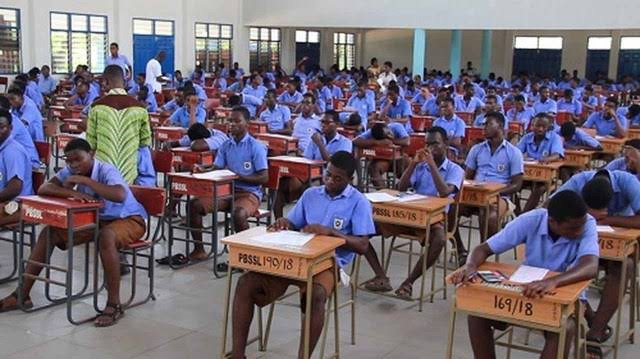
Parents Face Significant Fee Hikes as Schools Reopen Across Nigeria
As schools resume, parents are confronted with steep increases in tuition fees, with many private institutions raising charges by up to 40%. The surge in educational costs comes amid rising fuel prices, prompting concerns over the financial burden on families and the sustainability of school transport services.

Rising School Fees Challenge Nigerian Parents as Academic Year Kicks Off
As schools across Nigeria reopen, parents are grappling with significant fee increases of up to 40%, exacerbated by rising fuel prices and economic pressures. With many families in public schools also facing new levies, the financial strain on education is becoming increasingly evident.