

Advocating for the Establishment of a House of Chiefs in Nigeria
This article explores the significance of establishing a House of Chiefs in Nigeria's governance structure, drawing on historical precedents and influential figures like Mazi Samuel Goomsu Ikoku. The proposal aims to enhance representation and strengthen the role of traditional institutions in national affairs.
The Abuja Times
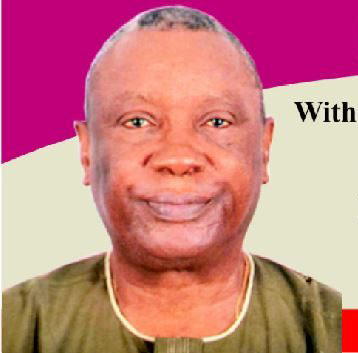
The ongoing discussion regarding the establishment of a House of Chiefs in Nigeria is gaining momentum, as advocates argue for its critical role in the nation’s governance framework. This proposal seeks to integrate traditional leadership into the legislative process, thereby enriching the political landscape with diverse perspectives and cultural insights. The National Assembly is encouraged to consider this move as a step towards fostering unity and inclusivity in governance.
Historically, figures like Mazi Samuel Goomsu Ikoku have played pivotal roles in shaping political discourse in Nigeria. Ikoku, a trade unionist and politician, was deeply involved in the independence movement during his academic years, advocating for the rights and representation of the people. His experiences and contributions highlight the need for robust representation of traditional institutions within the national governance structure.
As a student and later as a political figure, Ikoku’s candid commentary on national issues often placed him at the forefront of controversial debates. His legacy serves as a reminder of the importance of including traditional voices in contemporary governance, ensuring that the cultural heritage and wisdom of the past inform present-day policies. Proponents of the House of Chiefs argue that this body could serve as a stabilizing force amidst Nigeria's evolving political dynamics.
In conclusion, the establishment of a House of Chiefs presents an opportunity for Nigeria to honor its rich cultural heritage while adapting to modern governance challenges. By integrating traditional leaders into the legislative process, the nation can enhance its democratic fabric and ensure that all voices are heard in the pursuit of national development. The time is ripe for the National Assembly to revisit this proposal and recognize the potential benefits it could bring to governance in Nigeria.
Share this article with your network
Broadcast directly to WhatsApp communities and news circles.
The Abuja Morning Dispatch
Get the capital's most important political investigations, cabinet decisions, and economic intelligence delivered to your inbox every morning.
About The Abuja Times
Super Admin & Lead Director
Related Dispatches in News

INEC Prepares to Address Nation as Countdown to 2027 Elections Reaches 100 Days
The Independent National Electoral Commission (INEC) is set to inform Nigerians about the upcoming 2027 presidential and National Assembly elections, scheduled for January 16, 2027. This announcement comes as the countdown to the elections marks a significant milestone of 100 days.

Amnesty International Voices Concern Over Crackdown on Dissent in Borno State
Amnesty International has expressed alarm regarding the escalating arrest of individuals and the suppression of peaceful dissent in Borno State. The organization urges authorities to uphold human rights and protect the freedoms of expression and assembly.
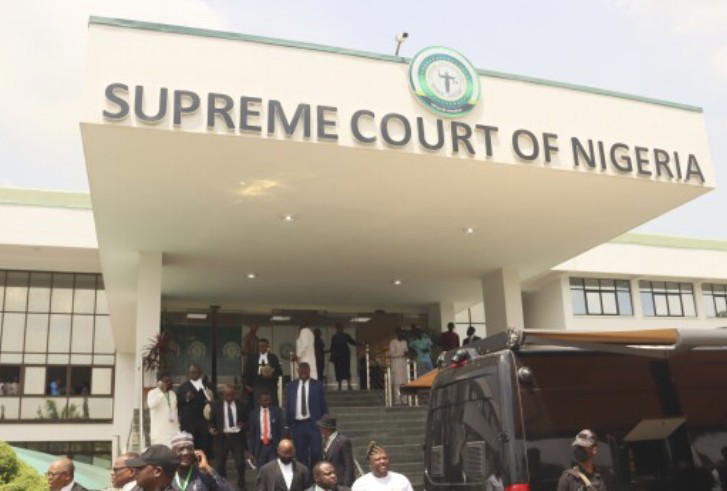
Supreme Court Ruling Creates Uncertainty for INEC Candidates Ahead of Final List Release
Anxiety looms among political candidates as the Independent National Electoral Commission awaits a crucial Supreme Court ruling before finalizing the list of governorship and assembly candidates. The electoral body is set to meet with stakeholders tomorrow to discuss the implications of the ruling, which remains pending.