

Xenophobia in South Africa: A Call for Reflection Ahead of the 2026 FIFA World Cup
As South Africa prepares for the 2026 FIFA World Cup, the nation grapples with a troubling legacy of xenophobia that has led to violence and displacement. Recent events highlight the urgent need for a collective response to address this crisis and foster unity across the continent.
The Abuja Times
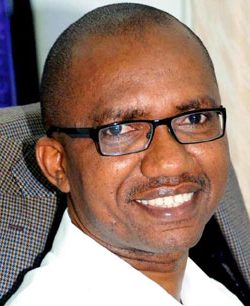
As South Africa gears up for its role as a host for the 2026 FIFA World Cup, the nation faces a critical moment to confront its ongoing struggle with xenophobia. Reports indicate that in the past three years alone, approximately 50 individuals have lost their lives due to xenophobic attacks, a grim statistic that underscores a deep-seated issue impacting not just South Africans, but also immigrants from other African nations.
Among the fatalities linked to these violent incidents are two Nigerians, Bishop Taiwo Michael Fakunle and James Uchechukwu Nwankwo, illustrating the tragic consequences of scapegoating that has marred the country’s reputation. Additionally, reports from the Ghanaian News Agency confirm the deaths of two Ghanaians in similar attacks, raising questions about the safety of foreign nationals in a country that should be a beacon of hope for the continent.
The xenophobic sentiments, which have been brewing since the end of apartheid in 1994, have now cast a shadow over what should be a moment of celebration and unity for African nations during the World Cup. Instead, the tournament has become a platform for expressing animosity, with many fans openly wishing for the failure of the South African team, Bafana Bafana, even against lesser-known opponents.
“What will it take to end this madness, which has set one of Africa’s most promising countries against the rest of the continent?”
Such hostility raises critical questions about national identity and solidarity in a nation that has long been viewed as a leader in the African renaissance. As South Africans prepare to welcome the world, there is an urgent need for introspection and action to address the root causes of xenophobia. The failure to do so could not only tarnish the image of South Africa but also jeopardize the spirit of unity that the World Cup is meant to embody.
Share this article with your network
Broadcast directly to WhatsApp communities and news circles.
The Abuja Morning Dispatch
Get the capital's most important political investigations, cabinet decisions, and economic intelligence delivered to your inbox every morning.
About The Abuja Times
Super Admin & Lead Director
Related Dispatches in Africa
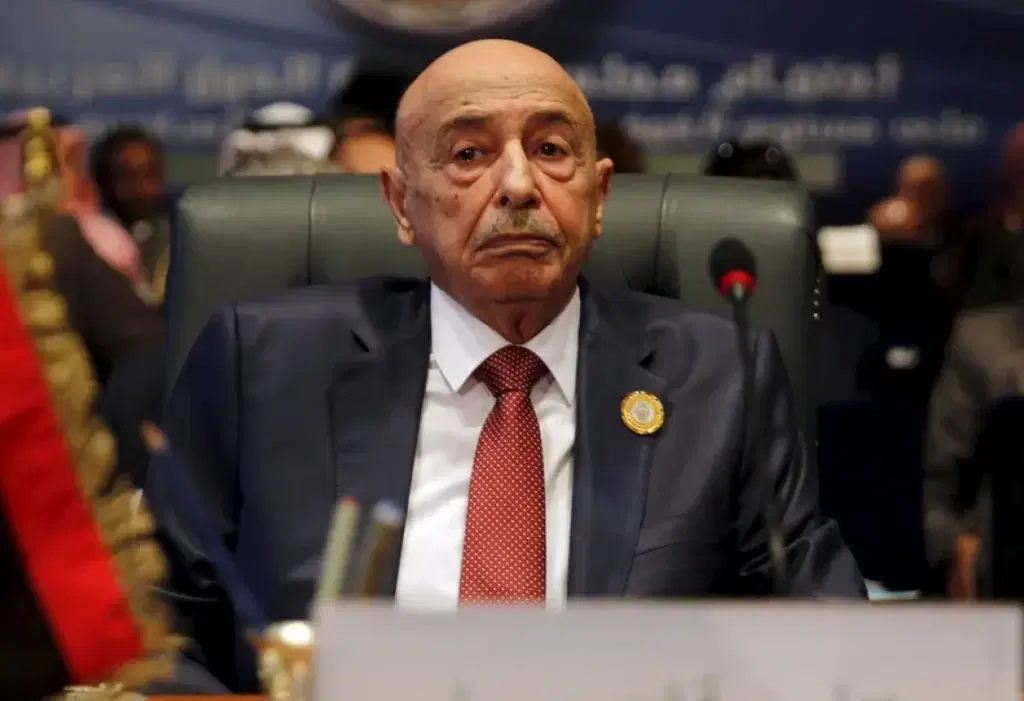
Libya's Parliament Speaker Agila Saleh Ousted After 12 Years in Office
In a significant political shift, Libya's long-serving parliament speaker Agila Saleh has been removed from his position after twelve years, amidst an evolving power dynamic in the country. His ousting reflects growing tensions within the eastern political landscape, particularly as rival factions vie for influence.

African Nations Urge Calm Amid Rising Tensions in Ethiopia
In response to escalating conflicts in Ethiopia's Tigray region, four African countries have united in a call for de-escalation and dialogue. This plea emphasizes the urgent need for peaceful resolution to prevent further instability in the region.

Navigating the US-South Africa Rift: Beyond the Surface Tensions
As diplomatic relations between the United States and South Africa face increasing strain, enduring commercial ties and strategic interests may pave the way for a pragmatic resolution. Analysts suggest that separating the visible conflicts from substantive engagements is crucial for future cooperation.