

WHO Warns: Future Pandemics Inevitable, Urges Global Preparedness
Dr. Tedros Ghebreyesus, Director-General of the WHO, emphasizes that the next pandemic is not a question of 'if,' but 'when,' urging nations to learn from the COVID-19 crisis. He highlights recent outbreaks as reminders of the urgent need for enhanced global health security and cooperation.
The Abuja Times
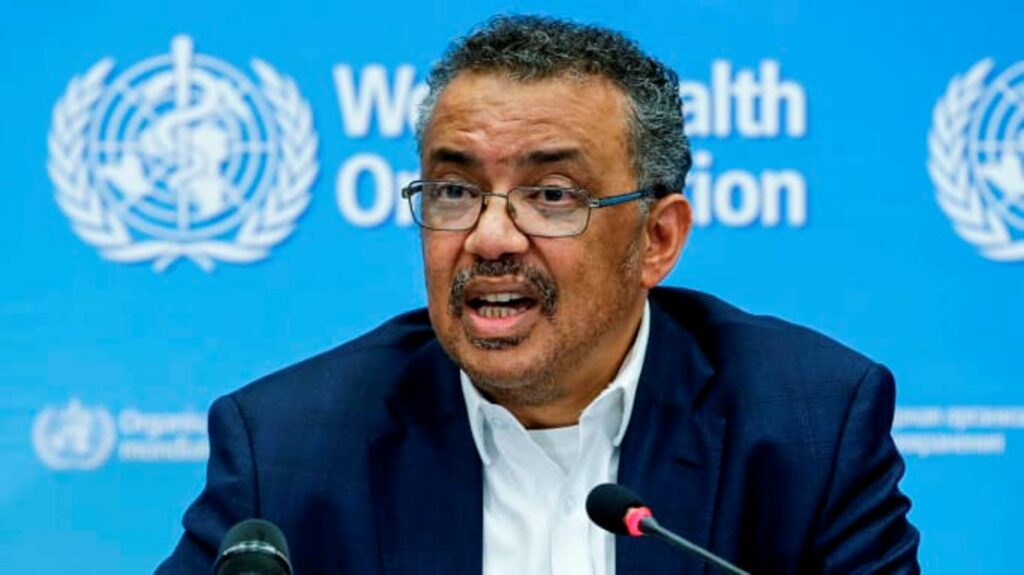
The Director-General of the World Health Organization (WHO), Dr. Tedros Ghebreyesus, delivered a stark warning during an online news conference on Friday, stating that the next pandemic is inevitable and that countries must be prepared. The global health landscape has been irrevocably altered by the COVID-19 pandemic, which resulted in the deaths of at least 20 million individuals and inflicted over $10 trillion in economic damage. As the world reflects on these staggering losses, Ghebreyesus calls for a renewed focus on health security to prevent future crises.
Highlighting recent outbreaks, including the Bundibugyo Ebola virus disease in the Democratic Republic of the Congo and a hantavirus outbreak on the MV Hondius, Ghebreyesus stressed that infectious diseases can emerge anywhere and pose risks to neighboring countries and beyond. “The lessons learned from COVID-19 must not be forgotten,” he asserted, emphasizing that international collaboration is crucial in combating these threats.
To bolster global health security, WHO has launched 12 key initiatives since the onset of the COVID-19 pandemic, focusing on six major areas of improvement. These initiatives include the establishment of the Pandemic Fund in collaboration with the World Bank and the implementation of the Universal Health and Preparedness Review, aimed at enhancing national preparedness capacities. Additionally, the WHO Hub for Pandemic and Epidemic Intelligence in Berlin has been set up to improve disease surveillance and early warning systems.
Dr. Ghebreyesus also highlighted the importance of equitable access to healthcare resources, stating that future preparedness must ensure that all countries, regardless of their economic status, have the means to respond effectively to health emergencies. “The world must work together to ensure that we are better prepared for the next pandemic,” he concluded, calling for commitment and action from all nations.
Share this article with your network
Broadcast directly to WhatsApp communities and news circles.
The Abuja Morning Dispatch
Get the capital's most important political investigations, cabinet decisions, and economic intelligence delivered to your inbox every morning.
About The Abuja Times
Super Admin & Lead Director
Related Dispatches in Science & Tech

Google Launches Public Access to AI Watermark Detection Tool
Google has unveiled a new AI watermark detection tool that enables users to identify invisible markers embedded in images, videos, and audio files. This innovative feature aims to enhance content authenticity in an era increasingly influenced by artificial intelligence.

Kwara Hospitals Embrace Digital Transformation with New Medical Records System
Kwara State's public hospitals are set to revolutionize healthcare delivery through the introduction of digital medical records, enhancing patient data management and care efficiency. The initiative, part of the HOPE-PHC Project, will commence staff training in November, signaling a significant step towards modernizing health services in the region.

NAS Launches Mentorship Program to Elevate Young Nigerian Researchers
The National Academy of Sciences has initiated a six-month mentorship program pairing 25 emerging Nigerian researchers with experienced scientists. This initiative is designed to foster professional growth and enhance research capabilities among the youth in Nigeria.