

Unpaid Rent Poses Threat to Nigeria's War Against Oil Bunkering
A prolonged dispute over unpaid rent for houseboats essential to combating oil theft in the Niger Delta is jeopardizing military operations. The Nigerian Army is embroiled in legal battles as contractors seek payment for services rendered over the past 33 months.
The Abuja Times
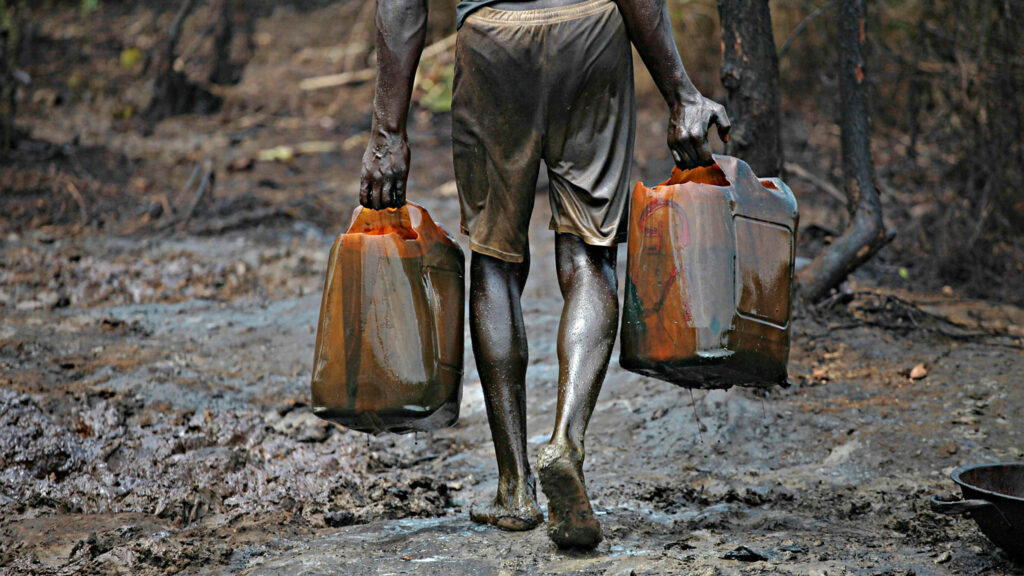
The ongoing fight against illegal oil bunkering in Nigeria's Niger Delta region is facing an unexpected challenge—an extensive backlog of unpaid rent for houseboats crucial to operations against oil thieves. The Nigerian Army, alongside three local contractors, is engaged in a legal dispute at the Federal High Court in Port Harcourt, which has persisted for over 33 months. These houseboats serve as operational bases for military personnel tasked with securing the waterways and creeks that are often exploited by oil thieves, significantly impacting the nation’s oil production.
Contractors Peaches Integrated Services Limited, Etucom Integrated Services Limited, and Godsam Industrial Services Limited have initiated a suit aimed at compelling key government officials, including the Attorney General of the Federation and the Chief of Defence Staff, to address the outstanding debts. This situation has escalated beyond mere financial implications; it threatens to undermine the operational capacity of military forces engaged in the fight against maritime crimes.
Security expert Mr. Owunari Otozi emphasized the critical nature of these houseboats, stating, "These are not luxury items but vital assets for military operations in the delta." As the contractors press for the release of their boats for overdue maintenance, their potential withdrawal from service poses a significant risk to ongoing military efforts. With oil theft severely affecting Nigeria's economy, any disruption in the military's operational capabilities could exacerbate the already precarious situation.
As the legal battle unfolds, the ramifications extend beyond the courtroom, threatening to hinder a crucial front in Nigeria's fight against oil theft. The outcome may have lasting consequences for the region's security landscape and the overall stability of the nation's oil production.
Share this article with your network
Broadcast directly to WhatsApp communities and news circles.
The Abuja Morning Dispatch
Get the capital's most important political investigations, cabinet decisions, and economic intelligence delivered to your inbox every morning.
About The Abuja Times
Super Admin & Lead Director
Related Dispatches in News

Ebola Outbreak in DR Congo Declared Largest in Nation's History by WHO
The World Health Organization has confirmed that the ongoing Ebola outbreak in the Democratic Republic of Congo, caused by the Bundibugyo virus, has become the largest recorded in the country. Since its declaration on May 15, 2026, cases have emerged in five countries, including Nigeria.

Federal Government Terminates University Affiliations with NTI Across Nigeria
In a significant policy shift, the Federal Ministry of Education has announced the discontinuation of all university affiliations with the National Teachers' Institute (NTI), affecting admissions for various degree programs nationwide. This decision halts the processing of applications for full-time, part-time, and Distance Learning Studies for National Certificate in Education (NCE) and Bachelor’s degrees.

Imo State Challenges NJC's Directive on Acting Chief Judge Appointment
The Imo State Government has voiced strong opposition to the National Judicial Council's (NJC) directive to shortlist the acting chief judge for a substantive position, raising concerns about potential delays in judicial leadership. This criticism signals a possible repeat of previous stalemates that left the state's judiciary without effective leadership for extended periods.