

UNGA 2026: Nigeria's Diplomatic Dilemma and the Cost of Absence
Nigeria's recent participation in the 2026 United Nations General Assembly raises critical questions about the effectiveness of its diplomatic strategy, particularly in light of President Bola Tinubu’s continued absence. As global leaders grapple with pressing issues, the implications of Nigeria's delegation choices demand thorough scrutiny and accountability.
The Abuja Times
The 2026 United Nations General Assembly (UNGA) shed light on the intricate dynamics of international diplomacy, particularly as Nigeria navigates its role on the global stage. In the aftermath of the Assembly, the real measure of success lies not in the speeches delivered, but in the actions that follow. Vice President Kashim Shettima represented Nigeria, addressing pressing issues such as the crises in Sudan and the Sahel, alongside calls for reform within the Security Council. However, the absence of President Bola Tinubu, who has skipped three consecutive Assemblies, raises concerns about the potential ramifications of such delegation.
During the opening address, UN Secretary-General António Guterres warned of widening global disparities, stating that the world's cracks had morphed into canyons, exacerbated by ongoing conflicts and institutional mistrust. He urged nations to embrace cooperation and reform, underscoring the importance of collective action in addressing these challenges. In this context, Nigeria's voice at the UNGA was critical, yet the effectiveness of its participation hinges on the follow-up and commitment to implement the promises made.
Historically, presidential presence at the UNGA has facilitated direct engagement with world leaders, allowing for immediate dialogue on urgent issues. Shettima's ability to conduct diplomacy is commendable, yet the lack of a presidential figure may limit Nigeria's influence and the authority to negotiate effectively on matters of national interest. As Nigeria continues to assert its position in international affairs, the decision to delegate must be critically examined to understand what was gained and what opportunities may have been missed.
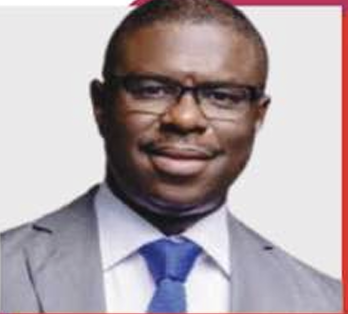
“The cost of absence cannot simply be assumed; neither should the decision escape examination,” remarked Peterside, emphasizing the need for accountability in Nigeria's diplomatic engagements.
As the world grapples with multifaceted challenges, Nigeria's leadership must reflect on its diplomatic strategies, ensuring that they align with the nation's aspirations and the expectations of its citizens. The future of Nigeria's international standing may well depend on how it navigates these delicate waters, particularly in the face of significant global shifts.
Share this article with your network
Broadcast directly to WhatsApp communities and news circles.
The Abuja Morning Dispatch
Get the capital's most important political investigations, cabinet decisions, and economic intelligence delivered to your inbox every morning.
About The Abuja Times
Super Admin & Lead Director
Related Dispatches in News

Former Kogi Governor Anticipates APC Victory in 2027, Advocates for Tinubu's Second Term
Former Kogi State Governor Yahaya Bello expresses confidence in the All Progressives Congress's (APC) prospects for the 2027 elections, highlighting the importance of consolidating support for President Bola Tinubu across northern Nigeria. Bello defends Tinubu's record, asserting that he deserves an opportunity to complete his planned eight-year term.

Indonesian Scholar Advocates Reform for Almajiri Educational System in Nigeria
Amid ongoing discussions about the Almajiri education system in Nigeria, an Indonesian scholar has proposed significant reforms to enhance its effectiveness. The recommendations include support from the Central Bank of Indonesia for sustainable business initiatives within Islamic boarding schools.

Cross River PDP Chairman Venatius Ikem Resigns, Citing Leadership Crisis
Venatius Ikem, the Chairman of the Cross River chapter of the People's Democratic Party (PDP), has stepped down after five years, pointing to ongoing leadership challenges within the party. His resignation raises questions about the future direction of the PDP in the state and hints at potential new political endeavors for Ikem.