

Ugandan President Enacts Bill to Regulate Foreign Funding and Influence
In a move aimed at regulating foreign influence in Ugandan politics, President Yoweri Museveni has signed a controversial bill requiring registration of organizations funded by foreign entities.
The Abuja Times

In a significant political development, Ugandan President Yoweri Museveni has enacted a contentious bill designed to limit foreign influence in the country's political landscape. This legislation mandates that any individual or organization receiving funding from foreign entities, or acting as agents of such entities, must register with the government. The decision has sparked a debate regarding the implications for civil society and political discourse in Uganda.
The new law places stringent oversight on organizations that rely on external funding, which critics argue could stifle dissent and limit the operational capacity of non-governmental organizations. Proponents of the bill, however, assert that it is a necessary measure to protect national sovereignty and ensure that foreign interests do not unduly influence Ugandan politics.
Experts warn that the legislation could have far-reaching consequences for political engagement and advocacy in Uganda. By imposing registration requirements, the government aims to closely monitor the activities of organizations perceived as receiving foreign support, potentially creating an environment of fear and self-censorship among activists and civil society groups.
This move by President Museveni comes amidst broader discussions across the continent about the role of foreign funding in local political processes. Many African nations are grappling with similar issues, as they navigate the fine line between accepting international aid and safeguarding their political independence.
As the law takes effect, it remains to be seen how it will impact the dynamics of political funding and foreign influence in Uganda. Observers are calling for a balanced approach that protects national interests while fostering an open environment for civic engagement and political discourse.
Share this article with your network
Broadcast directly to WhatsApp communities and news circles.
The Abuja Morning Dispatch
Get the capital's most important political investigations, cabinet decisions, and economic intelligence delivered to your inbox every morning.
About The Abuja Times
Super Admin & Lead Director
Related Dispatches in Africa

Uganda Implements Travel Restrictions Amid Ebola Concerns from DRC
In a proactive measure to curb the spread of Ebola, Uganda has announced new travel restrictions for individuals arriving from the Democratic Republic of the Congo (DRC), following a recent outbreak linked to the Bundibugyo virus. This decision underscores Uganda's ongoing vigilance and preparedness in the face of infectious disease threats in the region.

Burkina Faso, Niger, and Mali Reengage with ECOWAS Amid Withdrawal Talks
Burkina Faso, Niger, and Mali have resumed diplomatic discussions with the Economic Community of West African States (ECOWAS) following their recent withdrawal from the regional bloc. The talks, led by Burkina Faso’s Foreign Minister Karamoko Traore and Senegal’s Foreign Minister Cheikh Niang, aim to address ongoing tensions and foster cooperation in the region.
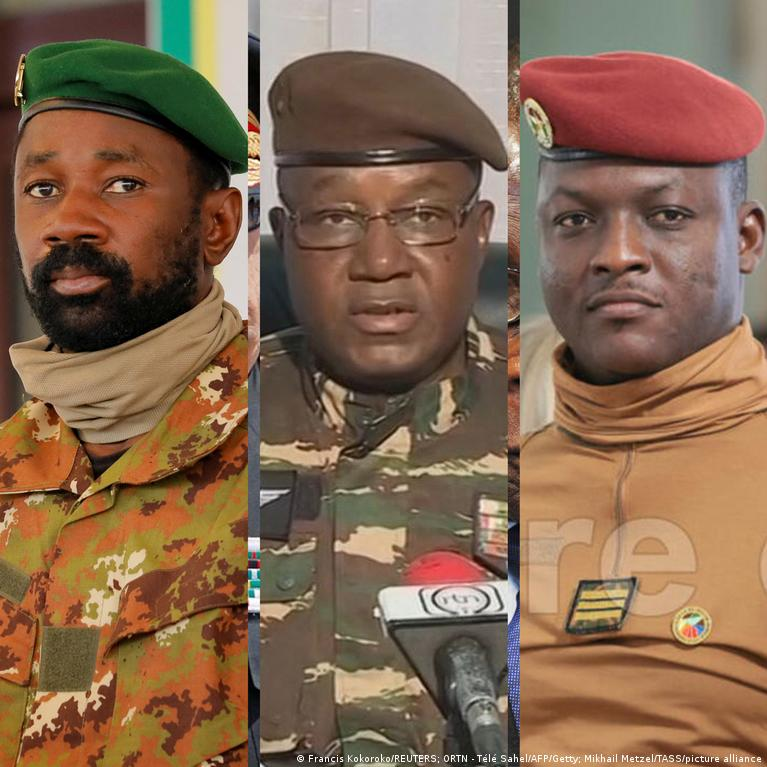
Sahel States Reinitiate Dialogue with ECOWAS After 18-Month Withdrawal
Niger, Mali, and Burkina Faso have resumed dialogue with the Economic Community of West African States (ECOWAS) after leaving the bloc over 18 months ago. The two sides are working towards establishing a framework cooperation agreement, emphasizing mutual respect and sovereignty.