

Tinubu Highlights Shift from Oil Dependency to Diversified Economy
In a recent address, President Tinubu emphasized his administration's efforts to decrease Nigeria's reliance on oil revenue by bolstering non-oil sectors and utilizing gas for power and industrial growth. This strategic pivot aims to enhance economic resilience and promote sustainable development in the country.
The Abuja Times

President Bola Ahmed Tinubu has announced significant strides made by his administration in reducing Nigeria's dependence on oil revenue, a move that aims to foster a more diversified and resilient economy. During a recent speech, he highlighted the government's commitment to expanding non-oil sectors, which he believes will play a crucial role in stabilizing the nation's finances against global oil market fluctuations.
Tinubu's focus on enhancing the gas sector is particularly noteworthy, as he outlined plans to harness natural gas for both power generation and industrial development. "Gas will serve as a pivotal resource in our quest for energy security and industrial growth," he stated, underlining the potential of gas to not only power homes and businesses but also to create jobs and stimulate the economy.
The president's remarks come at a time when Nigeria grapples with the challenges of oil price volatility and the pressing need for economic diversification. By investing in various sectors such as agriculture, technology, and manufacturing, the Tinubu administration aims to create a more balanced economic landscape that reduces the risks associated with over-reliance on crude oil revenues.
"Our goal is to create a sustainable economy that can withstand external shocks and provide opportunities for all Nigerians," Tinubu asserted, reiterating his administration's dedication to long-term economic reform.
As Nigeria embarks on this transformative journey, the success of these initiatives will largely depend on strategic implementation and the ability to attract both local and foreign investments into the non-oil sectors. The administration's commitment to fostering a business-friendly environment will be crucial in achieving these objectives and ensuring that Nigeria can thrive beyond its oil resources.
Share this article with your network
Broadcast directly to WhatsApp communities and news circles.
The Abuja Morning Dispatch
Get the capital's most important political investigations, cabinet decisions, and economic intelligence delivered to your inbox every morning.
About The Abuja Times
Super Admin & Lead Director
Related Dispatches in Business

Abia State Allocates ₦1.04 Billion for SME Growth and Reviews ASEPA Workers' Remuneration
In a strategic move to bolster the state's economy, the Abia State Government has approved ₦1.041 billion to support small and medium-scale enterprises (SMEs) while also revising the pay structure for ad-hoc workers at the Abia State Environmental Protection Agency (ASEPA). This funding initiative aims to enhance business operations and create sustainable jobs across the region.
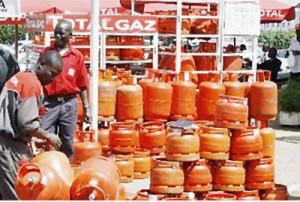
Cooking Gas Prices Surge by 14% Amid Supply Shortages in Nigeria
The price of cooking gas in Nigeria has surged to N1,600 per kilogram in November 2026, reflecting a 14% increase from the previous month. Industry experts warn that ongoing supply shortages are exacerbating the crisis, calling for urgent infrastructure improvements.

Governor Mbah Launches Premium Trust Bank in Enugu, Highlights Economic Growth
Governor Mbah inaugurated a new branch of Premium Trust Bank in Enugu, emphasizing the role of security and infrastructure in attracting investments. He expressed hopes for the establishment of up to ten bank branches as economic activities flourish in the region.