

Tinubu Calls for AU Action Against Rising Xenophobia in South Africa
President Bola Tinubu has urged the African Union to prioritize the alarming rise of xenophobic attacks in South Africa, highlighting the urgent need for collective action among member states. Speaking at an extraordinary session, Vice President Kashim Shettima emphasized the necessity of addressing this issue in the upcoming 2027 General Assembly.
The Abuja Times
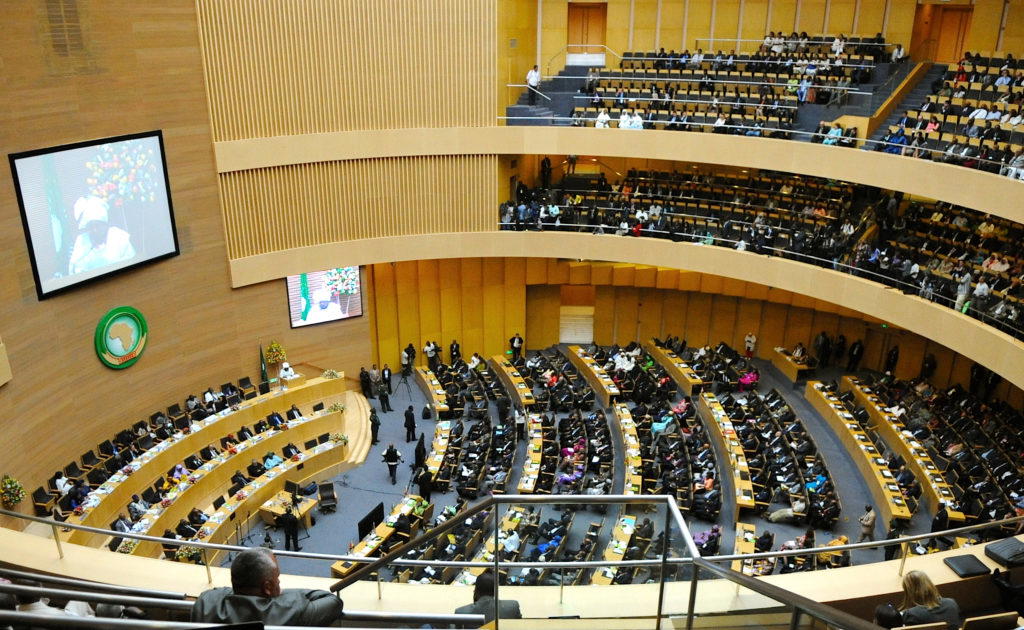
In a significant diplomatic move, President Bola Tinubu has brought attention to the troubling surge of xenophobic and Afrophobic violence in South Africa during the African Union's (AU) 21st Extraordinary Session in Luanda. Representing Tinubu, Vice President Kashim Shettima called for immediate collective action and proposed that this pressing issue be included on the agenda for the upcoming January 2027 General Assembly.
The recent wave of anti-immigrant sentiment has starkly revealed the contradictions inherent in South Africa's post-apartheid narrative. As the nation grapples with a crackdown on undocumented immigration, protests and violent mob actions have emerged, targeting African migrants and sparking an outcry across the continent. Reports indicate that Mozambique has suffered the loss of five citizens due to this violence, while numerous other nations, including Ghana, Zimbabwe, and Nigeria, have witnessed the repatriation of their citizens amid escalating tensions.
Recent statistics paint a grim picture: over 178,000 African immigrants have either fled or been deported from South Africa in recent months. Nigeria alone has evacuated 1,490 citizens by July, with an additional 83 returnees arriving in August. Disturbingly, Nigerian authorities have reported that at least 90 Nigerians have fallen victim to xenophobic attacks in South Africa since 2022, underscoring the urgent need for intervention.
“The distinction between enforcing immigration law and permitting Afrophobic violence must be absolute,” Shettima stated. “A sovereign state has every right to identify, prosecute, and deport undocumented immigrants through due process. However, it cannot allow mobs to act as an unofficial immigration service, terrorizing and killing individuals.”
This statement encapsulates the critical challenge facing African nations as they balance the enforcement of immigration policies with the imperative to protect human rights and ensure the safety of their citizens abroad. The AU's response to this crisis will be closely monitored, as it seeks to uphold the principles of solidarity and cooperation among African states.
Share this article with your network
Broadcast directly to WhatsApp communities and news circles.
The Abuja Morning Dispatch
Get the capital's most important political investigations, cabinet decisions, and economic intelligence delivered to your inbox every morning.
About The Abuja Times
Super Admin & Lead Director
Related Dispatches in Africa

Burkina Faso, Niger, and Mali Reengage with ECOWAS Amid Withdrawal Talks
Burkina Faso, Niger, and Mali have resumed diplomatic discussions with the Economic Community of West African States (ECOWAS) following their recent withdrawal from the regional bloc. The talks, led by Burkina Faso’s Foreign Minister Karamoko Traore and Senegal’s Foreign Minister Cheikh Niang, aim to address ongoing tensions and foster cooperation in the region.
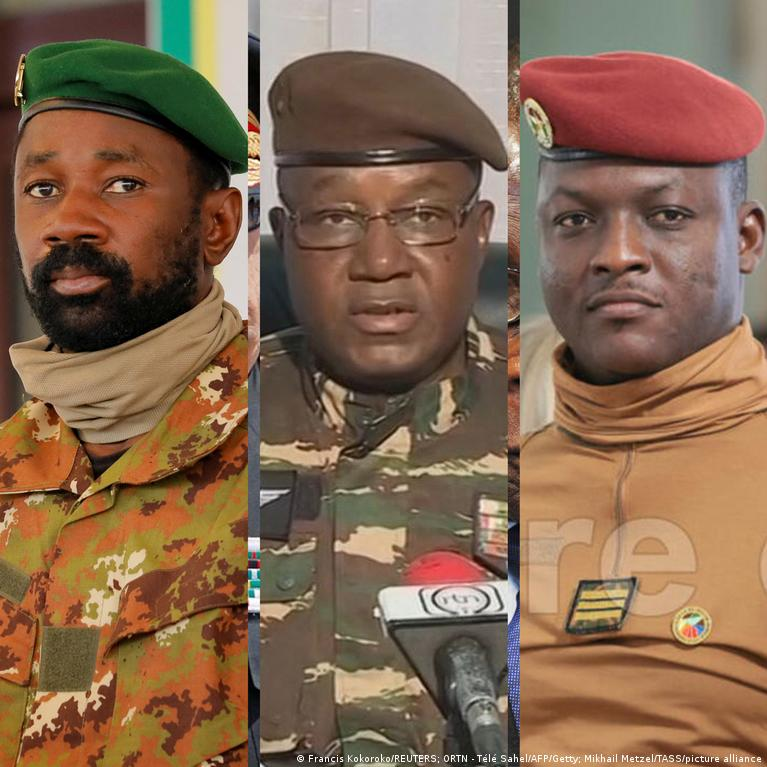
Sahel States Reinitiate Dialogue with ECOWAS After 18-Month Withdrawal
Niger, Mali, and Burkina Faso have resumed dialogue with the Economic Community of West African States (ECOWAS) after leaving the bloc over 18 months ago. The two sides are working towards establishing a framework cooperation agreement, emphasizing mutual respect and sovereignty.

Kenya Reports Second Ebola Case as Quarantine Contact Shows Symptoms
A second case of Ebola has been confirmed in Kenya after a 39-year-old individual developed symptoms while in quarantine. Health authorities are actively tracing contacts following the country's first confirmed case.