

The Symbolic Weight of January 16: Northern Nigeria Reflects on a Historic Date
As Nigeria gears up for the presidential election on January 16, 2026, the date carries profound historical significance, particularly in Northern Nigeria, where it is linked to the tragic events of the 1966 military coup. This reflection on the past highlights the enduring impacts of that fateful day on contemporary political discourse and inter-ethnic relations.
The Abuja Times

The upcoming presidential election in Nigeria, scheduled for January 16, 2026, has sparked a critical examination of the date’s historical significance, especially within Northern Nigeria. This date is not merely a point on the electoral calendar; it resonates deeply with collective memories shaped by one of the most tragic events in the nation's history—the first military coup that occurred in the early hours of January 15, 1966. The aftermath of this coup was felt acutely by the North, leading to the assassination of prominent leaders such as Sir Ahmadu Bello and Sir Abubakar Tafawa Balewa.
The events of January 16, 1966, marked a watershed moment in Nigeria's political landscape. As the military officers executed their plan, the subsequent killings of key political figures sent shockwaves throughout the nation, particularly in the North, where the perception of targeted attacks against its leadership would fuel longstanding grievances and alter political dynamics. This perception has fostered a profound distrust among various ethnic groups and has been instrumental in shaping the political attitudes that prevail to this day.
In the context of the upcoming election, the choice of January 16 raises questions about the implications of such a historically loaded date. For many, it is a reminder of past injustices and a call to reflect on the lessons learned from Nigeria's turbulent history. As political campaigns begin to unfold, candidates and voters alike may find themselves navigating this complex terrain of memory and symbolism, where the stakes extend beyond mere electoral outcomes to encompass broader issues of reconciliation and national unity.
“The significance of January 16 cannot be understood without revisiting the events of the country’s first military coup,” said political analysts, highlighting the need for a deeper understanding of the date’s implications.
As Nigeria embarks on this electoral journey, the legacy of January 16 will likely loom large, serving as a poignant reminder of the need for healing and the pursuit of a more inclusive political environment. The upcoming election offers not just a chance to choose leaders but also an opportunity to confront the shadows of the past and chart a path toward a more united future.
Share this article with your network
Broadcast directly to WhatsApp communities and news circles.
The Abuja Morning Dispatch
Get the capital's most important political investigations, cabinet decisions, and economic intelligence delivered to your inbox every morning.
About The Abuja Times
Super Admin & Lead Director
Related Dispatches in News
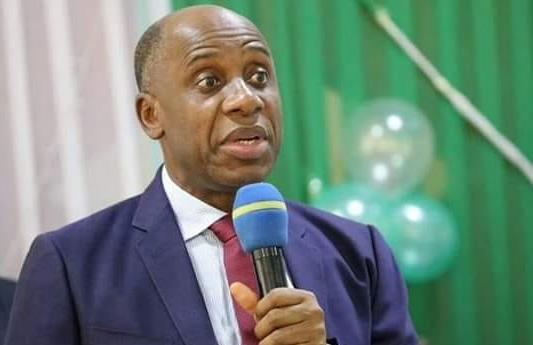
ADC judgment could cause civil war if not properly managed—Amaechi
…Says mistake I made in 2023 was listening to Buhari By Olayinka Ajayi Vice presidential candidate of the African Democratic Congress, ADC, Mr Rotimi Amaechi, has warned that the Federal High Co

Political Parallels: Why Trump's Midterm Setback Doesn't Forecast Tinubu's 2027 Prospects
As Nigeria gears up for the 2027 elections, the defeat of Donald Trump's party in the U.S. midterms has sparked comparisons with President Bola Ahmed Tinubu's potential fate. However, experts argue that the political landscapes of the two nations are fundamentally different, cautioning against superficial parallels.
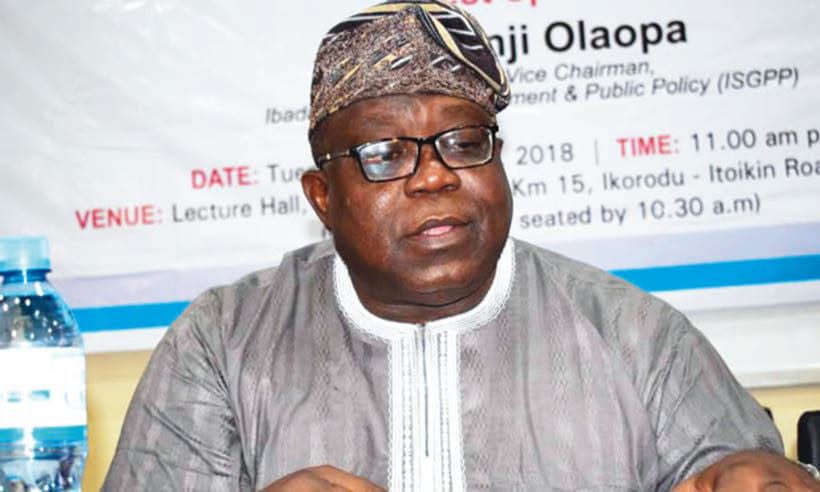
Harnessing Institutional Wisdom: The Role of CORFEPS in Nigeria's Governance Transformation
The Council of Retired Federal Permanent Secretaries (CORFEPS) stands as a pivotal body in Nigeria's civil service reform, leveraging the vast experiences of its members to influence governance and public administration. With a focus on revitalizing the professional ethos within the civil service, CORFEPS aims to ensure that the knowledge and memories of retired public servants continue to serve the nation’s development needs.