

The Petrol Subsidy Dilemma: Tinubu's Gamble and Its Fallout
President Bola Tinubu's decision to eliminate petrol subsidies has become a defining moment of his administration, showcasing both courage and the challenges of governance in Nigeria. As the implications of this bold move unfold, the struggle for millions of Nigerians raises questions about the sustainability of his policies.
The Abuja Times
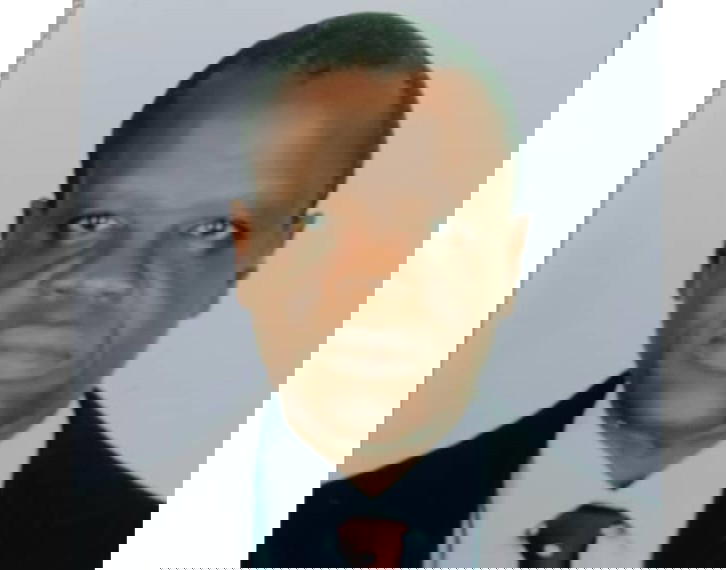
President Bola Tinubu's bold announcement to remove petrol subsidies shortly after assuming office on May 29, 2023, has been celebrated by some as a courageous step in governance, contrasting starkly with the cautious approaches of his predecessors. Leaders like Olusegun Obasanjo and Muhammadu Buhari, despite their military backgrounds, approached the politically sensitive issue of petrol pricing with a degree of caution, making incremental adjustments rather than sweeping reforms.
In the past, attempts to alter the subsidy structure have resulted in significant political backlash. For instance, Goodluck Jonathan's attempt to remove the subsidy in January 2012 incited nationwide protests, ultimately leading to a partial reversal of the policy. Tinubu, however, opted for a straightforward elimination of the subsidy, positioning it as a hallmark of his administration's commitment to economic reform and accountability.
While the removal of the subsidy was intended to pave the way for broader economic reforms, including the unification of the foreign exchange market, the immediate aftermath has been fraught with challenges. Many Nigerians are grappling with the rising cost of living as fuel prices soar, leading to increased transportation and commodity costs. The government's efforts to stabilize the economy through fiscal measures have yet to alleviate the financial strain felt by millions.
“The declaration became the signature policy of his administration, but the centre has struggled to hold for millions of Nigerians,” remarked an economic analyst, reflecting on the complexities of the current situation.
As President Tinubu navigates the turbulent waters of public sentiment and economic realities, the question remains: will his administration hold firm or will the rising discontent force a reevaluation of such drastic measures? The unfolding situation is a testament to the intricate balance between bold governance and the immediate needs of the populace.
Share this article with your network
Broadcast directly to WhatsApp communities and news circles.
The Abuja Morning Dispatch
Get the capital's most important political investigations, cabinet decisions, and economic intelligence delivered to your inbox every morning.
About The Abuja Times
Super Admin & Lead Director
Related Dispatches in News

Nigeria Customs Unveils ₦3.67 Billion Drug Smuggling Operation at Tin Can Island Port
The Nigeria Customs Service, in collaboration with the NDLEA, intercepted two containers at Tin Can Island Port containing illicit drugs hidden in vehicles and spare parts. The operation highlights ongoing efforts to combat drug smuggling in the country.

Court of Appeal Denies Bail Application for Former Governor El-Rufai
The Court of Appeal in Kaduna has upheld a lower court's decision to deny bail for former Governor Nasir El-Rufai, indicating the court's stringent stance on his case. This ruling marks a significant development in the ongoing legal challenges faced by the ex-governor.

Biafran War Veterans Call for National Remembrance of All Victims
Corporal Nwafor, a 75-year-old Biafran war veteran, advocates for the recognition of all victims of the Nigerian Civil War, urging the establishment of a Biafra Remembrance Day. His remarks come during the 59th memorial of the Asaba massacre, highlighting the need for a comprehensive acknowledgment of the conflict's tragic history.