

The Intersection of Banking and Politics: Unpacking Nigeria's Financial Transparency
A growing public discourse highlights potential concerns over the role of financial institutions in undisclosed political financing in Nigeria. Experts urge a critical examination of the relationship between banking power and political money to safeguard democratic integrity.
The Abuja Times

In recent discussions surrounding Nigeria's financial and political landscape, the role of banking institutions has come under scrutiny. As public commentary intensifies, questions arise regarding whether these financial entities could be leveraged as conduits for undisclosed political financing. This concern is not merely speculative; it raises fundamental issues about the integrity of Nigeria's democratic processes and the accountability of its financial systems.
Financial institutions wield significant power in shaping economic policies and influencing political outcomes. When banking executives engage in political financing, either directly or indirectly, it creates an environment ripe for corruption and lack of transparency. As noted by financial analysts, "The intertwining of banking and politics could lead to a scenario where economic decisions are driven by political affiliations rather than the public good." This potential conflict of interest necessitates a thorough examination by regulators and policymakers.
The implications of undisclosed political financing are profound. It can erode public trust in both the banking sector and political institutions, as citizens may feel that their interests are sidelined in favor of hidden agendas. As the debate unfolds, calls for stronger regulations and transparency measures are becoming more pronounced. Stakeholders argue that without clear guidelines, the risk of financial institutions becoming tools for political manipulation will continue to grow.
“We must ask ourselves: How can we ensure that our financial institutions operate independently and ethically, devoid of political interference?” - Financial Analyst
As Nigeria approaches critical electoral cycles, the urgency for these discussions increases. Ensuring that financial institutions remain accountable and that political financing is transparent is vital for safeguarding democracy and promoting economic stability. The relationship between banking and politics must be carefully navigated to prevent potential abuses that could undermine public confidence in both sectors.
Share this article with your network
Broadcast directly to WhatsApp communities and news circles.
The Abuja Morning Dispatch
Get the capital's most important political investigations, cabinet decisions, and economic intelligence delivered to your inbox every morning.
About The Abuja Times
Super Admin & Lead Director
Related Dispatches in News
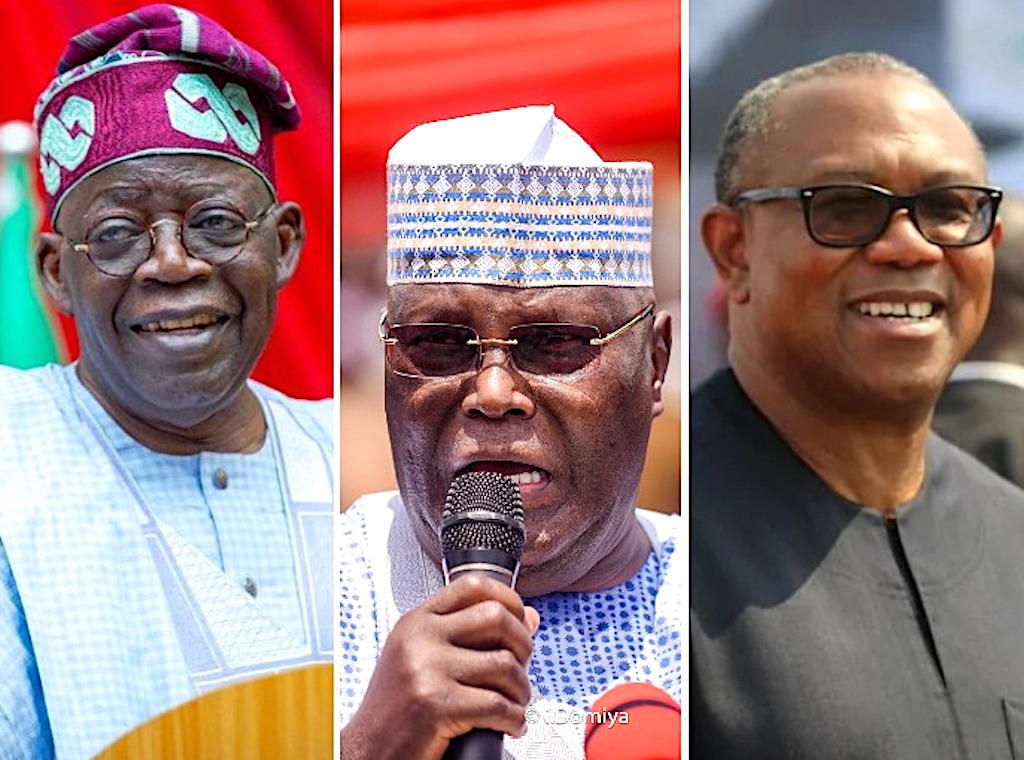
Political Landscape Quiet as Campaigns Lag Ahead of 2027 General Elections
With just three months until Nigeria's pivotal 2027 general elections, political parties have yet to launch aggressive campaign efforts, despite the Independent National Electoral Commission having opened the campaign period nearly two months ago.
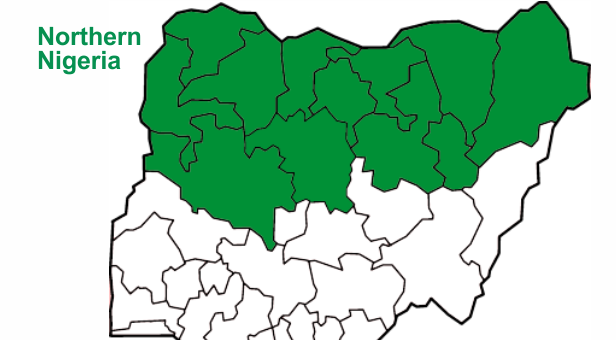
Political Campaigns in Northern Nigeria Hampered by Billboard Disputes and Internal Conflicts
As the 2027 general elections approach, political campaigns in Northern Nigeria are experiencing a slow start due to disputes over billboards, hefty signage fees, and internal party crises. While some states see heightened activity, others struggle with restrictions and factional disagreements that hinder electioneering efforts.
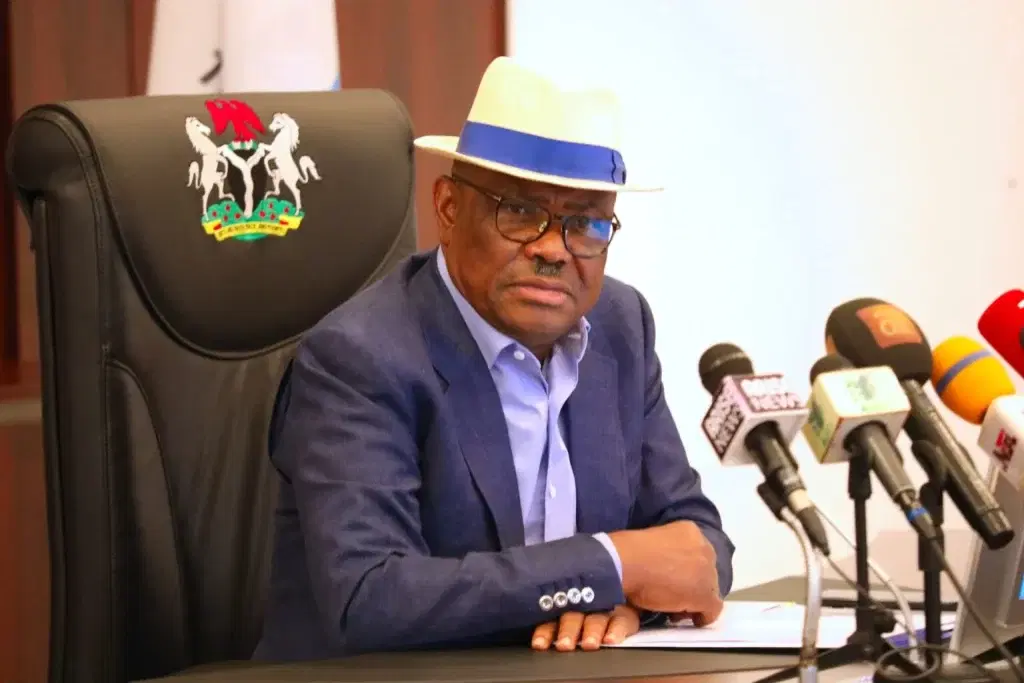
Wike Warns Amaechi: Difficult Campaign Ahead in Rivers State
Nyesom Wike cautions Rotimi Amaechi that his campaign efforts in Rivers State may face significant challenges if he persists in his attacks against President Bola Tinubu and his supporters. Wike's remarks follow controversial comments made by Amaechi, which have sparked tensions within the political landscape.