

The Houthi Resilience: Unpacking the Narrative of Aggression Against Saudi Arabia
The ongoing conflict between the Houthis and Saudi Arabia has drawn intense global scrutiny, yet narratives often misrepresent the historical context and power dynamics at play. Since 2015, Saudi Arabia's military interventions in Yemen have sparked a fierce resistance from the Houthi population, complicating the portrayal of aggressors and victims in the media.
The Abuja Times

The world has been captivated by the recent Houthi attacks on Saudi Arabia, particularly the strikes on the nation's fuel pipeline and military infrastructure, which have dominated headlines since September 14, 2026. However, the prevailing narratives frequently cast Saudi Arabia as the innocent victim, overshadowing a complex history that reveals a different reality. This article seeks to debunk the one-sided stories that dominate media coverage and highlight the broader context of the conflict.
Since the onset of the Saudi-led military intervention in Yemen on March 26, 2015, the Yemeni population, particularly the Houthis, have found themselves in a desperate fight for survival. The relentless bombing campaigns by Saudi forces have indiscriminately targeted schools, hospitals, and civilian gatherings, resulting in widespread civilian casualties. As reported in earlier analyses, over 12,000 Yemeni civilians have lost their lives, and millions face malnutrition and disease, exacerbated by a crippling blockade. The portrayal of the Houthis as aggressors fails to acknowledge their struggle against an overwhelming military force.
Furthermore, the narrative has often neglected the presence of various groups within Yemen that oppose Saudi intervention. While the Houthis are prominently featured in media reports, they represent only a segment of the broader coalition resisting foreign aggression. This coalition is fighting not only for their rights but for the sovereignty of Yemen, a nation that has suffered immensely under the weight of external military intervention.
“The cemeteries are overflowing so much that a good foreign investment in Yemen would be the building of new cemeteries.” - Owei Lakemfa
Despite the humanitarian crisis unfolding in Yemen, international responses have been muted, raising questions about the selective outrage in global media and diplomacy. The silence surrounding the plight of the Yemeni people and the ongoing violence they endure speaks volumes about the complexities of international relations and the often-lopsided narratives that emerge from such conflicts. As the situation continues to evolve, it is crucial for global audiences to seek a more nuanced understanding of the realities faced by those embroiled in the struggle for freedom and survival.
Share this article with your network
Broadcast directly to WhatsApp communities and news circles.
The Abuja Morning Dispatch
Get the capital's most important political investigations, cabinet decisions, and economic intelligence delivered to your inbox every morning.
About The Abuja Times
Super Admin & Lead Director
Related Dispatches in Africa
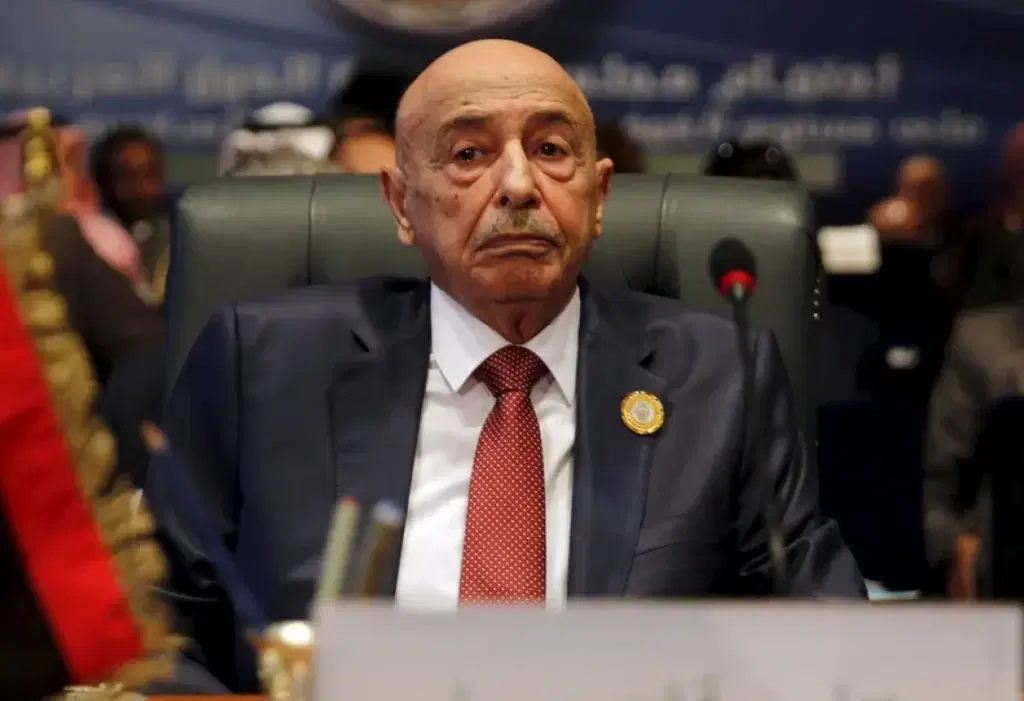
Libya's Parliament Speaker Agila Saleh Ousted After 12 Years in Office
In a significant political shift, Libya's long-serving parliament speaker Agila Saleh has been removed from his position after twelve years, amidst an evolving power dynamic in the country. His ousting reflects growing tensions within the eastern political landscape, particularly as rival factions vie for influence.

African Nations Urge Calm Amid Rising Tensions in Ethiopia
In response to escalating conflicts in Ethiopia's Tigray region, four African countries have united in a call for de-escalation and dialogue. This plea emphasizes the urgent need for peaceful resolution to prevent further instability in the region.

Navigating the US-South Africa Rift: Beyond the Surface Tensions
As diplomatic relations between the United States and South Africa face increasing strain, enduring commercial ties and strategic interests may pave the way for a pragmatic resolution. Analysts suggest that separating the visible conflicts from substantive engagements is crucial for future cooperation.