

The Future of Nigeria's Democracy: Are Political Parties Losing Their Grip?
As Nigeria gears up for the 2027 elections, questions are being raised about the diminishing role of political parties in the democratic process. Usman Sarki reflects on the current political landscape, suggesting a potential shift towards a democracy where parties exist in name only.
The Abuja Times
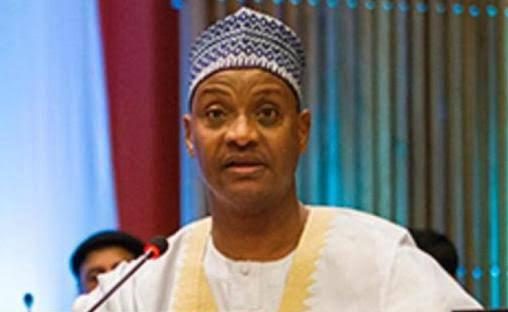
The landscape of Nigerian politics is undergoing significant transformation as the nation approaches the 2027 general elections. Usman Sarki, who served as Senior Special Adviser on Policy and Strategy to the former National Chairman of the All Progressives Congress (APC), reflects on his observations during the last elections. He raises crucial concerns regarding the effectiveness and coherence of political parties, questioning whether they will remain central to the electoral process.
Sarki references political theorist E. E. Schattschneider's assertion that political parties are fundamental to democracy, pondering how this view holds up against Nigeria's current political reality. He notes that while political parties are legally recognized, their role in mobilizing voters and shaping political discourse appears to be waning. This observation raises alarms about the future of democratic engagement in Nigeria.
As the APC navigates its identity post-elections, Sarki highlights a growing uncertainty among opposition parties as well. The apparent fragmentation and lack of cohesive political strategies pose challenges not just for party leaders but also for the electorate, who may find themselves disillusioned by the political process. The potential for the 2027 elections to occur without the robust participation of political parties could mark a significant departure from traditional democratic practices.
“Perhaps Nigeria is gradually introducing another form of democracy to the world: democracy in which political parties exist everywhere in law and symbolism, but are increasingly absent as meaningful institutions of political mobilisation.”
This contemplation invites a broader discussion about the essence of democracy in Nigeria and whether the traditional party-centric model can withstand the pressures of evolving political dynamics. As the nation stands on the brink of another election cycle, the upcoming years will be crucial in determining the role of political parties and the future of democratic governance in Nigeria.
Share this article with your network
Broadcast directly to WhatsApp communities and news circles.
The Abuja Morning Dispatch
Get the capital's most important political investigations, cabinet decisions, and economic intelligence delivered to your inbox every morning.
About The Abuja Times
Super Admin & Lead Director
Related Dispatches in News

Tinubu Extends Tenures of Heads of Correctional and Immigration Services Until 2028
President Bola Tinubu has officially approved the extension of the tenures for the heads of Nigeria's Correctional and Immigration Services, ensuring continuity in leadership until 2028. This decision affects Mr. Nwakuche and Ms. Nandap, whose new end dates are set for May and June 2028, respectively.
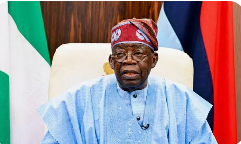
President Tinubu Extends Tenures of Immigration and Correctional Service Chiefs
In a recent move to fortify leadership within key security agencies, President Bola Tinubu has granted 18-month extensions to the heads of the Nigeria Immigration Service and the Nigerian Correctional Service. This decision, following recommendations from the Minister of Interior, aims to ensure stability and continuity in these crucial sectors until new appointments are made.

Jigawa NUJ Aids Inmates' Release During Press Week Celebrations
In a commendable humanitarian effort, the Jigawa State Council of the Nigeria Union of Journalists (NUJ) has facilitated the release of six inmates from the Gumel Correctional Centre by covering their court-imposed fines. This initiative forms part of the council's inaugural Press Week activities aimed at supporting vulnerable members of society.