

The Decline of Community Policing: Lagos' Abandoned Police Information Boxes
Years after their introduction, the police information boxes initiated by former Lagos CP Mike Okiro have fallen into disrepair, illustrating a concerning trend of neglect in community policing efforts. Once a vital tool for fostering citizen engagement and intelligence gathering, these structures now languish in decay, symbolizing the erosion of trust between residents and law enforcement.
The Abuja Times
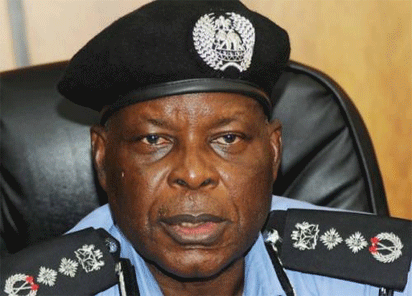
Years after Sir Mike Mbama Okiro's tenure as Commissioner of Police in Lagos State, the police information boxes he introduced have become silent witnesses to institutional neglect. Originally designed as a means for citizens to anonymously report suspicious activities and support police investigations, these modest receptacles now stand abandoned, shrouded in cobwebs and home to cockroaches. The decay of these boxes, often seen along busy streets and junctions, mirrors the deteriorating relationship between the community and law enforcement.
Okiro, who served as Lagos CP around 1999, recognized the limitations of visible policing amid rampant crime rates exacerbated by armed robbery and ethnic militia activities. By placing these boxes in strategic locations such as markets and public spaces, he aimed to create channels for residents to share crucial information without fear of exposure. The concept was simple yet effective: provide a safe and anonymous means for citizens to assist the police in maintaining public safety.
However, the current state of these information boxes tells a different story. Thick dust, rust, and the indifference of both authorities and the public have led to their abandonment. Once a symbol of hope for community engagement, they now represent the fragility of trust between the police and the communities they serve. As Okiro himself has noted, “Community policing is about building relationships,” and the neglect of these boxes signifies a retreat from that essential principle.
The implications of this decline extend beyond mere aesthetics; they highlight a broader issue of accountability and responsiveness within the police force. As communities grapple with rising crime rates and a sense of insecurity, the failure to maintain such initiatives raises questions about the commitment to fostering a cooperative environment between law enforcement and citizens. The question remains: will the authorities take notice of this decline and reinvigorate community policing efforts or will these boxes continue to symbolize the disconnect between police and the public?
Share this article with your network
Broadcast directly to WhatsApp communities and news circles.
The Abuja Morning Dispatch
Get the capital's most important political investigations, cabinet decisions, and economic intelligence delivered to your inbox every morning.
About The Abuja Times
Super Admin & Lead Director
Related Dispatches in News

PANDEF Announces Seven Days of Mourning for Late Leader Patrick Dele Cole
The Pan Niger Delta Forum has declared a week of mourning for its esteemed leader Patrick Dele Cole, who passed away at 86 in London. Recognized for his significant contributions to journalism and politics, Cole's legacy in the Niger Delta remains profound.

Nigerians Demand Focus on Governance as Presidential Campaigns Launch
As Nigeria's presidential campaigns commence, citizens are urging candidates to prioritize critical governance frameworks aimed at curbing the rampant misappropriation of the nation's oil wealth. The call for substantive dialogue over rhetoric underscores the urgency for accountability in the lead-up to the elections.
Federal Government Challenges World Bank's Debt Servicing Claims
The Nigerian government has contested the World Bank's assertion that the country's debt servicing exceeded revenue by 124% in the first half of 2026. Officials argue the analysis is flawed, citing the inclusion of state-level debts and incomplete revenue reporting.