

SSS Reverses Decision to Suspend Sowore's Cyberstalking Trial
The State Security Service (SSS) has rescinded its earlier directive to temporarily suspend the cyberstalking trial of activist Omoyele Sowore, sparking renewed debate over the implications for freedom of expression in Nigeria. The trial, which has drawn significant public attention, will now proceed as originally scheduled.
The Abuja Times

The State Security Service (SSS) has announced that it will not be suspending the ongoing cyberstalking trial of prominent activist Omoyele Sowore, following an initial directive that suggested a temporary halt to proceedings. This decision marks a significant shift in the agency's approach, which had earlier indicated a willingness to step back from the case.
On August 30, the SSS's Director-General, Oluwatosin Ajayi, reportedly instructed his team to explore options for pausing the trial, a move that many viewed as a concession to growing public and international scrutiny surrounding Sowore's legal battles. However, the agency has now clarified that the trial will continue, raising questions about the motivations behind the initial directive and the implications for civil liberties in Nigeria.
Sowore, a vocal critic of the Nigerian government and the publisher of the Sahara Reporters news platform, has faced multiple legal challenges over the years. His current trial centers around allegations of cyberstalking, which many observers argue is part of a broader trend of stifling dissent and curtailing freedom of expression in the country. As the trial resumes, advocates for human rights are closely monitoring the situation, expressing concerns over the potential impact on civic engagement and political discourse.
“The trial of Sowore is emblematic of the ongoing struggle for free speech in Nigeria,” stated a human rights advocate. “The government's actions will be scrutinized as they may set a precedent for how dissent is treated in this country.”
The SSS's backtrack has reignited discussions among legal experts and civil society groups about the balance between national security and the protection of individual rights. With Sowore's case continuing to attract attention, it remains to be seen how the legal proceedings will unfold and what ramifications they may have for the future of activism in Nigeria.
Share this article with your network
Broadcast directly to WhatsApp communities and news circles.
The Abuja Morning Dispatch
Get the capital's most important political investigations, cabinet decisions, and economic intelligence delivered to your inbox every morning.
About The Abuja Times
Super Admin & Lead Director
Related Dispatches in News
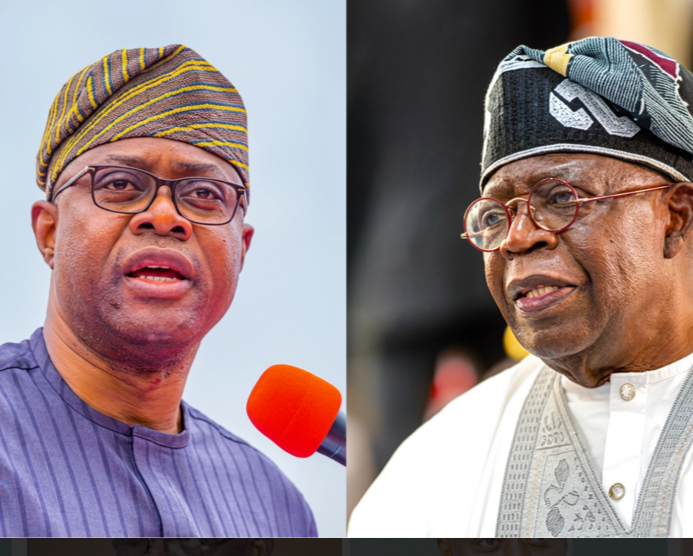
Presidency, Makinde at ‘war’ over N250bn NLNG dividend
By Johnbosco Agbakwuru & Adeola Badru ABUJA — THE Presidency yesterday described as false Oyo State governor, Seyi Makinde’s latest claim that the federal government was withholding N250 billion i

Violence Erupts in France as Protests Against Cost of Living Turn Destructive
France faces unprecedented turmoil as protests over the rising cost of living escalate into violence, leading to the destruction of the historic Limoges City Hall. The demonstrations, initially sparked by student grievances, have evolved into a widespread national outcry for better public services and economic relief.

Christian Association of Nigeria Calls for Collective Responsibility in National Challenges
The Christian Association of Nigeria has urged citizens to take shared responsibility for the country's pressing issues, including insecurity and economic struggles, rather than solely blaming political leaders. During a special service marking its 50th anniversary, the association emphasized the need for collective repentance and active participation in national rebuilding efforts.