

Senate Debates Decriminalization of Attempted Suicide Amidst Calls for Compassionate Care
The Nigerian Senate has sparked controversy with its punitive stance on attempted suicide, as advocates call for a shift towards compassionate care for survivors. Senator Asuquo Ekpenyong's bill to decriminalize the act faces staunch opposition, highlighting a critical debate on mental health in Nigeria.
The Abuja Times
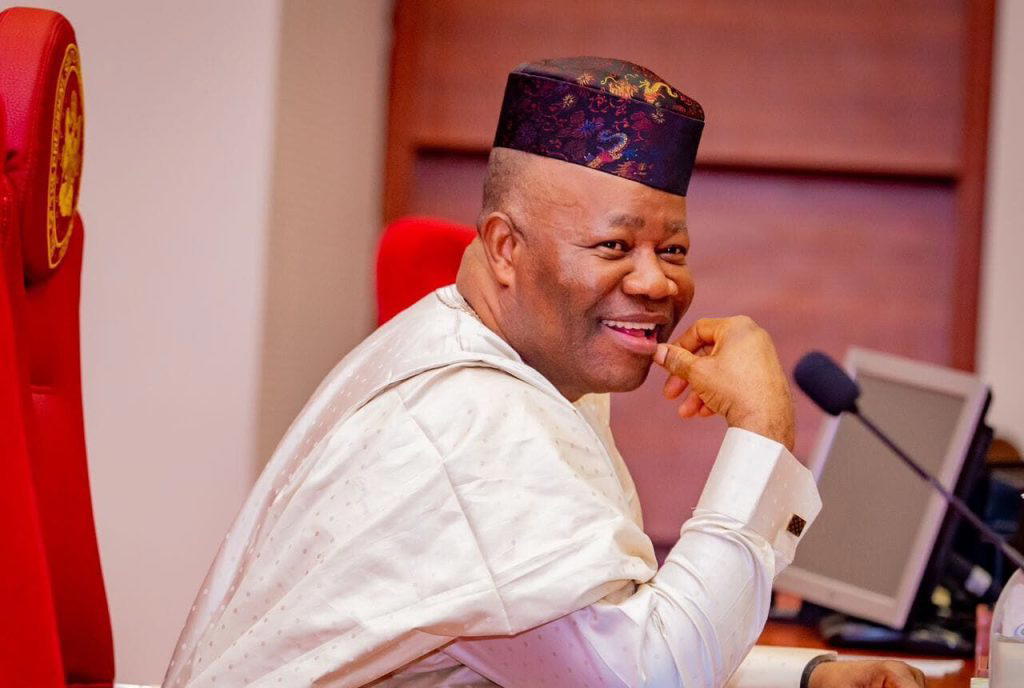
The ongoing discussions in the Nigerian Senate regarding the decriminalization of attempted suicide have taken a significant turn, raising critical questions about mental health support in the country. On October 13, Senator Asuquo Ekpenyong, who represents Cross River South, presented a bill aimed at removing criminal penalties for individuals who attempt suicide, arguing that such punitive measures may deter those in distress from seeking the help they need. “If people who attempt suicide and survive face imprisonment, they may do everything within their power to ensure that a subsequent attempt is fatal. We are trying to prevent that,” he cautioned.
In stark contrast, the Senate President's response reinforced the existing criminalization of suicide attempts, stating, “As far as we are concerned, suicide is a crime for now, if you attempt it, you better succeed, if you do not succeed, we will send you to prison.” This declaration has ignited fierce debate among mental health professionals and advocates, who argue that the focus should be on medical treatment and rehabilitation rather than punishment.
Psychiatrists and mental health advocates are voicing their concerns over the Senate's approach, emphasizing that survivors of suicide attempts require comprehensive support and care, not incarceration. “Punishment is a 15th-century approach to a 21st-century problem,” remarked Prof. Daniel Ikpechukwu, underscoring the need for a modern understanding of mental health issues. The bill has passed its second reading and has now been referred to the Senate committees on health and judiciary for further deliberation.
The implications of this discussion extend beyond legislative chambers into the lives of individuals grappling with mental health challenges. Advocates are pushing for a paradigm shift that prioritizes empathy and understanding, as they believe that criminalizing suicidal behavior only serves to exacerbate the stigma surrounding mental health in Nigeria. The ongoing discourse in the Senate may ultimately shape the future of mental health care and support for vulnerable populations in the country.
Share this article with your network
Broadcast directly to WhatsApp communities and news circles.
The Abuja Morning Dispatch
Get the capital's most important political investigations, cabinet decisions, and economic intelligence delivered to your inbox every morning.
About The Abuja Times
Super Admin & Lead Director
Related Dispatches in News

Oyo Police Rescue Month-Old Baby Sold for N2 Million, Mother Arrested
In a shocking case of child trafficking, the Oyo State Police have rescued a one-month-old baby girl who was allegedly sold for N2 million. The child’s mother and the owner of the health facility where the baby was born have been arrested as investigations continue to identify additional suspects.

Challenges Ahead: Opposition Leaders Struggle for Unity Before 2027 Elections
As the 2027 presidential election approaches, Nigeria's opposition parties face significant hurdles in uniting against President Bola Tinubu. Rival ambitions and ideological differences threaten to derail their collective efforts to form a cohesive front.

Rising Tide of Counterfeit Goods Poses Grave Threat to Nigerian Public Health
The proliferation of fake drugs, drinks, and food products in Nigeria is leading to alarming health risks, as many citizens unknowingly consume these hazardous items. Recent NAFDAC operations have exposed the extent of this deadly trade, highlighting a critical public health crisis that demands immediate attention.