

Rising Inflation Forces Roadside Restaurants to Reduce Food Portions in Nigeria
As inflation continues to strain the budgets of Nigerians, roadside eateries known as 'buka' are serving smaller portions at higher prices, leaving many customers dissatisfied. The shift reflects the broader economic challenges affecting the purchasing power of low and middle-income earners across the country.
The Abuja Times
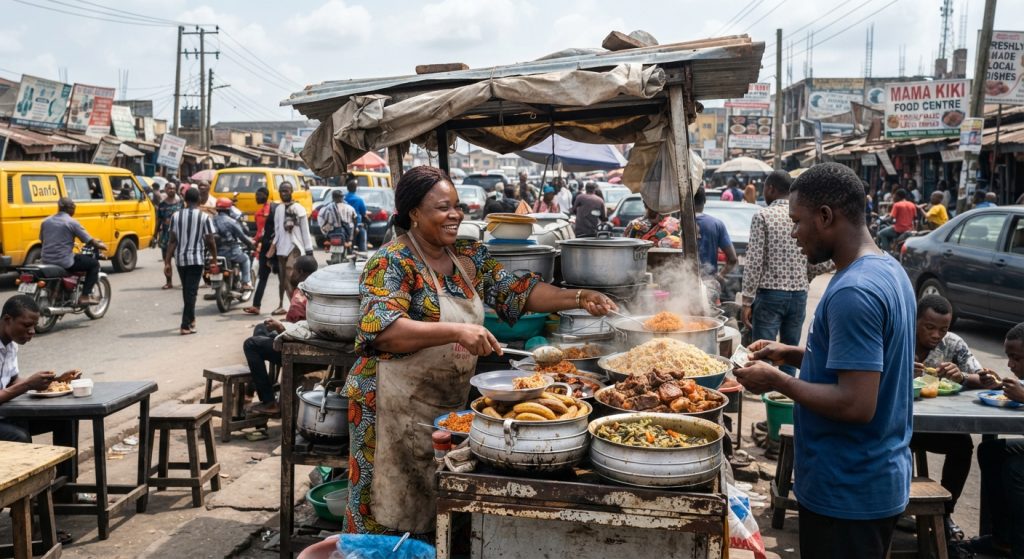
The vibrant aroma of jollof rice and pepper soup permeates the busy streets of Nigeria, yet the joy of these staple meals is fading as roadside food vendors, commonly referred to as 'buka' or 'mama put', are forced to adjust their offerings due to rising costs. With inflation soaring and the impact of fuel subsidy removal becoming increasingly evident, many of these informal eateries are dishing out smaller portions while simultaneously increasing their prices, creating a challenging situation for their clientele.
Artisans and workers, who traditionally relied on these affordable meals, are finding it increasingly difficult to satiate their hunger within their limited budgets. Emmanuel Osarumwense, a structural technician, shared his disappointment, stating, “Before, N1,000 food from Mama Rukayat would fill my stomach completely. Now, I spend N1,500 and I leave the table still feeling hungry.” His experience is echoed by many who are grappling with the dual pressures of rising food prices and shrinking portion sizes.
The root causes of this troubling trend can be traced to several interconnected economic factors. The recent removal of fuel subsidies has led to increased transportation costs, while the depreciation of the naira has further compounded the problem, driving up the cost of food supplies. Consequently, food vendors are scrambling to adapt their business models in order to remain viable, resulting in a compromise that is leaving customers dissatisfied.
The informal food sector has long served as a vital resource for low and middle-income workers in Nigeria, providing hearty meals at reasonable prices. However, as inflation continues to erode purchasing power, the safety net that these roadside restaurants once represented is now fraying. The challenge for both vendors and consumers is to navigate this shifting landscape in a way that ensures survival amidst economic adversity.
Share this article with your network
Broadcast directly to WhatsApp communities and news circles.
The Abuja Morning Dispatch
Get the capital's most important political investigations, cabinet decisions, and economic intelligence delivered to your inbox every morning.
About The Abuja Times
Super Admin & Lead Director
Related Dispatches in Business

Lagos Real Estate Firm Requests Police Protection Amid Lekki Land Disputes
A Lagos-based real estate firm has sought police assistance to ensure the development of its Lekki property amidst ongoing disputes over land ownership. The call for protection follows a court ruling affirming the firm’s legal claim to the land through a deed of assignment.

TotalEnergies Commences New Drilling Operations at Akpo Deepwater Field
TotalEnergies has initiated fresh drilling operations at the Akpo deepwater oil field, raising concerns about the lack of established host community trusts for local stakeholders. This development comes amid ongoing scrutiny from Nigeria's oil regulator regarding the implications for surrounding communities in Rivers and Bayelsa states.
SWAN Highlights Financial Literacy Crisis Impacting Nigerian Businesses
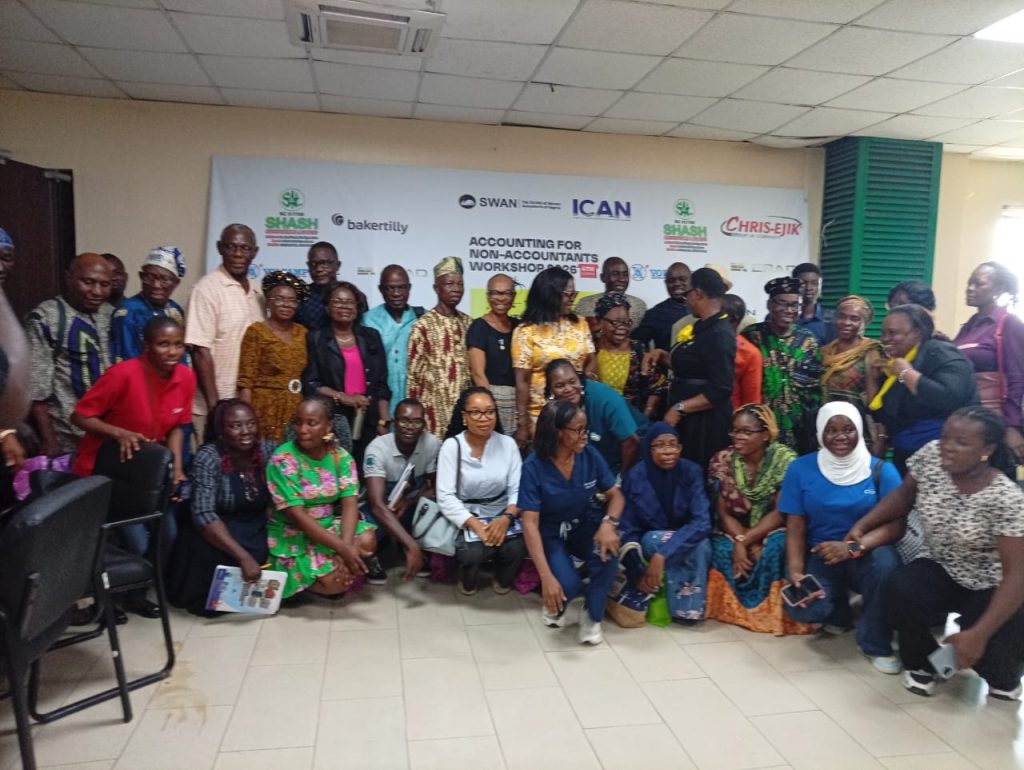
The Society of Women Accountants of Nigeria (SWAN) has pinpointed inadequate financial record-keeping and cash management as critical issues stunting business growth in Nigeria. At a recent workshop, they emphasized the importance of financial literacy for entrepreneurs to navigate the challenging economic landscape.