

Rethinking Risk: The Challenge of Nigeria's Industrialisation
As Nigeria strives for industrial growth, the burden of risk appears to fall disproportionately on commercial banks and entrepreneurs, raising questions about the government's role. This analysis explores the implications of a system where the state socializes industrial responsibility while privatizing the associated risks.
The Abuja Times

Nigeria's journey towards industrialization presents a complex landscape where the distribution of risk plays a crucial role in shaping the future of its economy. A significant concern is the government's approach to industrial development, which seems to rely heavily on commercial banks and private entrepreneurs to shoulder much of the financial burden. In an environment where government entities often compete for the same domestic capital by offering low-risk sovereign instruments, the question arises: who truly bears the risk of Nigeria’s industrial transformation?
In recent years, the Nigerian government has adopted a model that socializes responsibilities for industrial growth while privatizing the risk associated with that growth. This framework places a heavy expectation on commercial banks to finance ventures that are inherently risky, thereby creating a paradox where the state benefits from the stability of sovereign instruments while placing the onus of risk on the private sector. Such a dynamic could stifle innovation and deter investments critical for productive transformation.
Moreover, this risk-sharing arrangement raises significant ethical and practical questions about the sustainability of Nigeria's industrialization efforts. As the government seeks to stimulate economic growth, the reliance on banks and entrepreneurs to absorb risks may lead to a cautious approach towards investment, inhibiting the very progress that the government aims to achieve. The challenge lies in re-evaluating this model to foster an environment where both the state and private entities can collaboratively navigate the complexities of industrial development.
"The real question is not just about who bears the risk, but how we can create a balanced approach that encourages investment while ensuring that the government plays a proactive role in supporting industrialization."
Ultimately, the success of Nigeria's industrial ambitions will depend on a redefined partnership between the government and the private sector. By addressing the current imbalance in risk distribution, Nigeria can pave the way for a more resilient and innovative industrial landscape, capable of meeting the challenges of a rapidly evolving global economy.
Share this article with your network
Broadcast directly to WhatsApp communities and news circles.
The Abuja Morning Dispatch
Get the capital's most important political investigations, cabinet decisions, and economic intelligence delivered to your inbox every morning.
About The Abuja Times
Super Admin & Lead Director
Related Dispatches in Business

Empowering Journalists: Premium Times Academy Enhances Skills in Maritime and Business Reporting
Premium Times Academy has successfully conducted a training program aimed at equipping journalists with essential skills in maritime and business reporting. The initiative focused on data analysis, investigative techniques, and the integration of artificial intelligence in journalism.
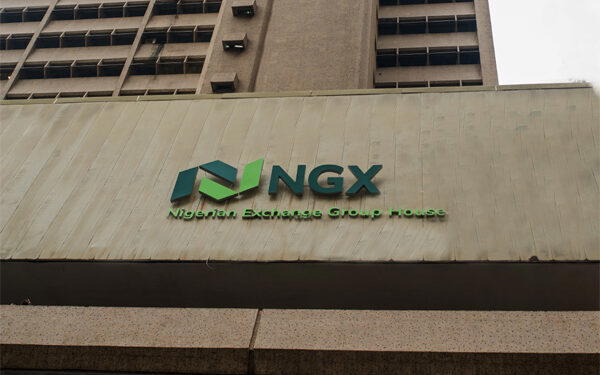
Dangote Refinery Set to Make Stock Market Debut on December 1
Following a successful initial public offering, the Dangote Petroleum Refinery is poised to commence trading on the Nigerian Exchange Group on December 1. This milestone comes after receiving regulatory approval from the Securities and Exchange Commission for share allocation.

Nigeria's ₦1.06 Trillion Debt: A Looming Crisis for States and Businesses
A recent report reveals that Nigerian states are grappling with ₦1.06 trillion in unpaid contractor and pension obligations, raising alarms about the potential economic fallout. The staggering debt burden, which includes ₦434.87 billion in contractor arrears, threatens to stifle business operations and economic growth across the nation.