

Public Universities in Nigeria May Face N1 Million Tuition Fees, Warns Former LASU Vice Chancellor
Ibiyemi Olatunji-Bello, the former Vice Chancellor of Lagos State University, suggests that public universities in Nigeria might need to implement tuition fees of at least N1 million annually to ensure financial sustainability. She highlights inadequate funding as a major challenge and calls for a reevaluation of current financial structures in higher education.
The Abuja Times
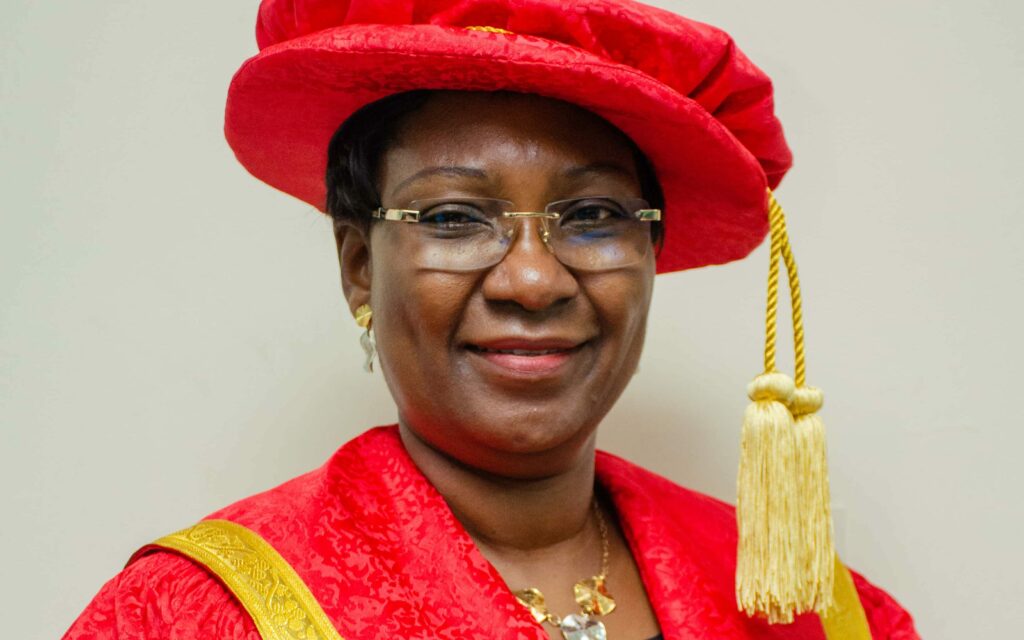
In a striking revelation, Ibiyemi Olatunji-Bello, the former Vice Chancellor of Lagos State University (LASU), has indicated that public universities in Nigeria may soon be compelled to charge tuition fees of at least N1 million per student each year. This assertion underscores the pressing financial challenges that these institutions face, particularly in light of insufficient funding and rising operational costs.
Olatunji-Bello, whose tenure concluded recently, shared her insights in an exclusive interview, emphasizing that LASU’s internally generated revenue, though improved, is far from sufficient to meet the university's financial obligations. With monthly payroll expenses exceeding N1 billion and an annual revenue of approximately N13 billion, the financial strain on the institution is palpable. “Our payroll right now is over N1 billion per month. All the N13 billion IGR does not cover our salaries,” she stated, highlighting a critical imbalance between income and expenditure.
The former vice chancellor pointed out that if universities aspire to achieve financial self-sustainability, significant tuition hikes are inevitable. “So, universities that want to attain self-sustainability will have to increase school fees into millions,” she remarked, drawing a comparison to secondary schools that already charge fees exceeding N1 million per term. This comparison raises questions about the affordability of higher education in Nigeria and the implications for students and families.
Olatunji-Bello's comments resonate with a broader discourse on the funding of public universities in Nigeria, a topic that has garnered increasing attention as institutions struggle to maintain quality education amidst financial constraints. She advocates for innovative approaches to financial management within universities, stating that enhanced revenue generation and prudent financial practices are essential for navigating the current crisis.
As the conversation around tuition fees and university funding continues, stakeholders in the education sector will need to engage in meaningful discussions to find viable solutions that balance financial sustainability with accessibility and equity in education.
Share this article with your network
Broadcast directly to WhatsApp communities and news circles.
The Abuja Morning Dispatch
Get the capital's most important political investigations, cabinet decisions, and economic intelligence delivered to your inbox every morning.
About The Abuja Times
Super Admin & Lead Director
Related Dispatches in News

Court Rejects Akwa Ibom Government's Challenge Against EFCC Authority
A court ruling has dismissed the Akwa Ibom State Government's legal challenge to the Economic and Financial Crimes Commission's (EFCC) investigation into alleged financial misconduct. This decision follows serious allegations regarding the diversion of public resources within the state.

US Report Highlights Nigeria's Child Soldier Recruitment Concerns
A recent US report has classified Nigeria among countries that permit the recruitment of child soldiers, intensifying pressure on the Nigerian government to rectify these grave concerns. This designation underscores the urgent need for Nigeria to align its practices with international child protection standards in the context of armed conflict.

Court to Decide on Admissibility of Statements in N109 Billion Fraud Case Against Former Accountant General Idris
A ruling on the admissibility of statements made by former Accountant General Ahmed Idris in a N109 billion fraud case is set to be delivered by a court. Idris has challenged the legitimacy of these statements, alleging they were obtained under duress by the EFCC.