

Political Loyalties in Flux: The Shift from Atiku to Tinubu's Camp
Recent developments in Nigerian politics highlight the fluidity of political allegiances, as former spokesmen for Atiku Abubakar transition to support President Bola Tinubu's re-election campaign. This shift raises questions about the nature of political loyalty and public perception in an ever-evolving political landscape.
The Abuja Times
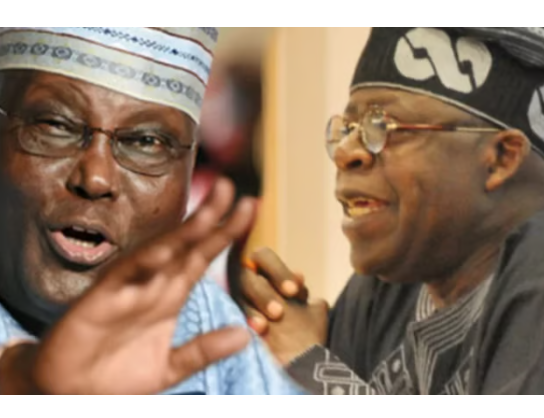
In a striking illustration of the fluid nature of political loyalty in Nigeria, former spokesmen for Atiku Abubakar have recently pledged their support for President Bola Tinubu's re-election campaign. Segun Showunmi, who was once a prominent voice for Atiku during the 2019 presidential race, is now part of Tinubu's campaign communications team, declaring that prosperity is imminent under the President's leadership. This transition has sparked discussions among political analysts and citizens alike about the motivations behind such changes in allegiance.
Showunmi's endorsement comes as he urges the Nigerian public to rally behind Tinubu for the upcoming elections, emphasizing the promise of continued growth and stability. Similarly, Daniel Bwala, who served as a spokesman for Atiku's 2023 campaign, has taken on the role of Tinubu’s Special Adviser on Media and Public Communication. Their shift from opposing figures to advocates for the current administration raises eyebrows and prompts critical reflections on the consistency of political convictions.
As political figures like Showunmi and Bwala navigate the complex landscape of Nigerian politics, their actions serve as a reminder that political loyalty is often not as steadfast as it might seem. While they are entitled to change their minds and realign their support, the public remains wary of such shifts, questioning the authenticity of their newfound allegiance. This phenomenon illustrates the broader narrative of political adaptability in Nigeria, where yesterday's adversaries can quickly become today's allies.
“Nobody owns another man’s political allegiance forever,” noted one analyst, highlighting the constitutional right of individuals to switch their support as political climates evolve.
The implications of these changes in political support extend beyond individual campaigns; they reflect a broader trend within Nigerian politics where personal ambition often supersedes party loyalty. As the 2027 elections approach, the electorate must grapple with the realities of political endorsements that may lack genuine conviction but are driven by strategic interests.
Share this article with your network
Broadcast directly to WhatsApp communities and news circles.
The Abuja Morning Dispatch
Get the capital's most important political investigations, cabinet decisions, and economic intelligence delivered to your inbox every morning.
About The Abuja Times
Super Admin & Lead Director
Related Dispatches in News

Ebola Resurfaces: Nigeria Faces New Challenge a Decade After 2014 Triumph
As Nigeria marks a significant anniversary in its public health history, the confirmation of a new Ebola case in Abuja raises urgent questions about the nation's preparedness. The recent incident serves as a critical test of the lessons learned from the 2014 outbreak that was successfully contained.

Kwankwaso Vows to Prioritize Jobs and Security in 2027 Election Campaign Amidst Obi's Absence
Rabiu Kwankwaso has outlined key focus areas for his envisioned Nigeria Democratic Congress (NDC) government, emphasizing the importance of security, education, and agricultural development. This pledge comes as fellow presidential hopeful Peter Obi misses an important meeting in Plateau State.

Nigeria's Ebola Case Shows Alarming Similarity to Kenya's Outbreak, Warns Health Minister
Nigeria's health authorities are sounding the alarm as a recent Ebola case bears striking similarities to an ongoing outbreak in Kenya, which has recorded nine confirmed infections. The minister's statement underscores the urgent need for heightened vigilance and preparedness in the face of potential viral spread.