

Political Allegiances: The Dilemma of Loyalty in Nigerian Governance
In a provocative analysis, Wole Olaoye explores the complex relationships and political dynamics within Nigeria, likening them to the roles of a bride and a side-chick. This discourse delves into the historical context of Nigerian elections and the implications of loyalty in contemporary politics.
The Abuja Times

In the realm of Nigerian politics, the concepts of loyalty and allegiance often become entangled, leading to comparisons that resonate deeply within the public consciousness. Wole Olaoye's recent piece examines these dynamics through a striking analogy, posing the question: is the political figure of Governor Seyi Makinde more akin to a loyal bride or a transient side-chick? This metaphor not only reflects personal relationships but also embodies the shifting loyalties that characterize Nigeria's political landscape.
Forty-seven years ago, during the pivotal 1979 elections, political allegiances were tested when Alhaji Shehu Shagari of the National Party of Nigeria (NPN) emerged victorious over Chief Obafemi Awolowo of the Unity Party. This historical backdrop serves as a reminder of how political outcomes can hinge on the intricate dance of loyalty, often dictated by personal interests rather than collective gain. As Olaoye notes, the implications of these allegiances extend beyond mere political wins; they shape the very fabric of governance in Nigeria.
The metaphor of the 'bride' suggests commitment and fidelity, characteristics that the populace often seeks from their leaders. Conversely, the 'side-chick' represents fleeting loyalty, emphasizing the precarious nature of political relationships that can shift with changing tides. Olaoye's exploration invites readers to reflect on whether the current political climate nurtures true allegiance or merely fosters opportunism among its leaders.
“Political figures must navigate these relationships carefully, as their actions today will define their legacy tomorrow,” Olaoye articulates, urging a deeper examination of the values that guide these leaders.
As Nigeria continues to grapple with issues of governance and transparency, the dialogue sparked by Olaoye serves as a crucial reminder of the need for authenticity in political representation. Whether as a 'bride' or a 'side-chick', the stakes of these roles are high, and the choices made by political leaders will reverberate throughout the nation’s future.
Share this article with your network
Broadcast directly to WhatsApp communities and news circles.
The Abuja Morning Dispatch
Get the capital's most important political investigations, cabinet decisions, and economic intelligence delivered to your inbox every morning.
About The Abuja Times
Super Admin & Lead Director
Related Dispatches in News
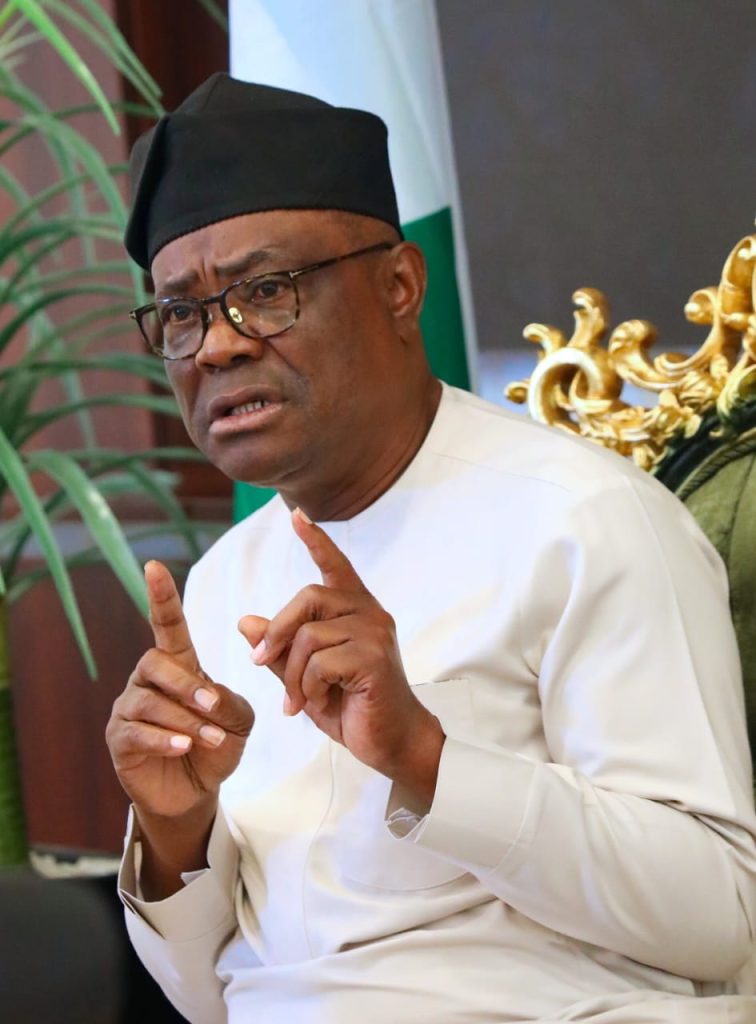
Wike Warns of Instability in Tinubu's Reforms Without 2027 Re-election
Federal Capital Territory Minister Nyesom Wike has expressed concerns that President Bola Tinubu's economic reforms may falter if he is not re-elected in 2027. Wike emphasized the importance of allowing Tinubu to complete his foundational work for Nigeria's recovery and prosperity.

COP31: Onuigbo Urges Global Legislators to Enact Climate Laws and Ensure Funding
At the Inter-Parliamentary Union COP31 Meeting in Türkiye, Rt. Hon. Sir Sam Ifeanyi Onuigbo called on parliamentarians worldwide to convert international climate commitments into actionable national laws, emphasizing the need for adequate funding and oversight. He warned that without legislative support, global climate agreements risk remaining ineffective.

Gombe State Awards Contracts for 97 Kilometers of Road Projects to Enhance Rural Connectivity
The Gombe State Government has initiated seven road construction contracts spanning 97 kilometers to improve access and economic activities in rural areas. This infrastructure development aims to connect underserved communities across four local government areas, fostering agricultural transportation and market access.