

Opposition Parties Propose Single-Term Presidential Candidate for 2027 Elections Amidst Political Turmoil
In a bid to unite against the ruling APC, Nigerian opposition parties are considering a single presidential candidate for the 2027 elections, pledging to limit the term to just four years. The proposal has ignited skepticism regarding the sincerity of political promises in a landscape marked by historical precedence of term extensions.
The Abuja Times
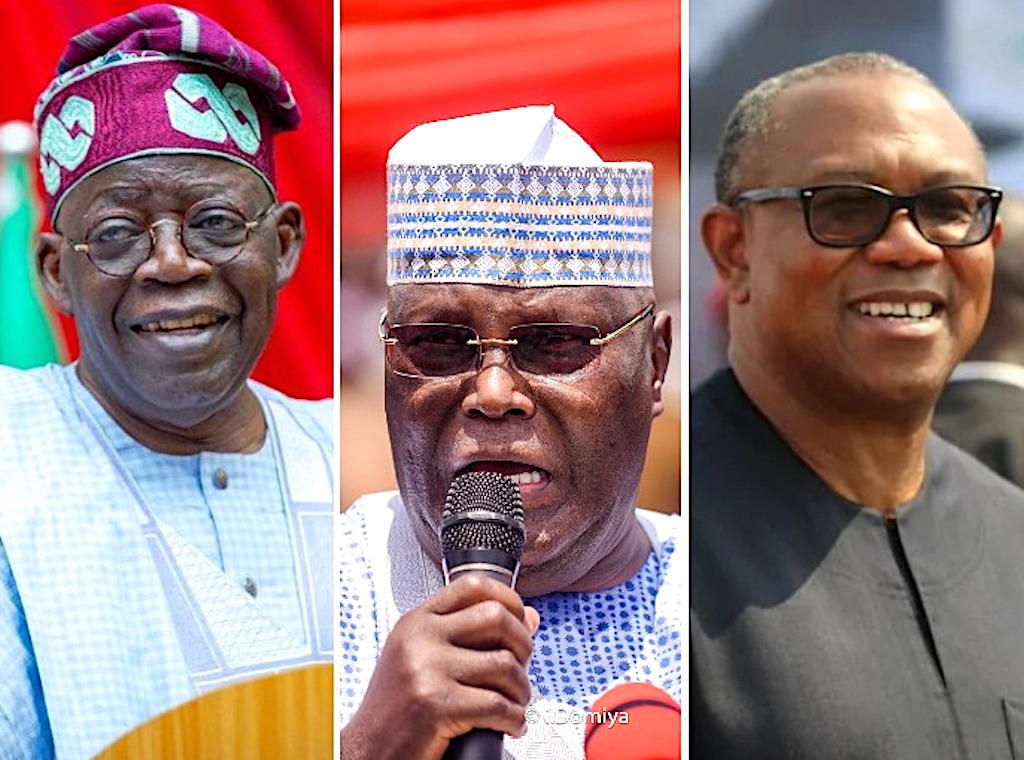
The political landscape in Nigeria is witnessing a significant shift as opposition parties engage in discussions to present a unified presidential candidate for the 2027 general elections. This candidate would commit to serving only a single four-year term, a proposal that has sparked heated debates among political analysts and the electorate alike.
At the core of this initiative is an effort to consolidate various presidential ambitions into a coherent strategy to challenge the ruling All Progressives Congress (APC). However, the feasibility of such an agreement raises questions about the credibility of political promises in Nigeria, especially considering the historical reluctance of leaders to voluntarily limit their tenure. Since the return to democratic governance in 1999, no president has opted for a single term after being elected.
Former Presidents Olusegun Obasanjo and Muhammadu Buhari both served two terms, while their successors, Umaru Musa Yar’Adua and Goodluck Jonathan, navigated complex political landscapes that ultimately led to extended tenures. The current president, Bola Tinubu, is also expected to serve a full term, further complicating the opposition's strategy to present a credible alternative.
“The challenge lies in convincing the electorate that this time, political leaders will adhere to their promises regarding term limits,” remarked a political analyst. “The historical context makes it hard for many Nigerians to trust such commitments.”
As the political arena heats up, the opposition faces a dual challenge: not only must they unify their factions but also build trust with a disillusioned public that has witnessed numerous political betrayals. The outcome of this initiative could reshape the dynamics of Nigeria's electoral landscape, potentially influencing voter turnout and engagement in the upcoming elections.
Share this article with your network
Broadcast directly to WhatsApp communities and news circles.
The Abuja Morning Dispatch
Get the capital's most important political investigations, cabinet decisions, and economic intelligence delivered to your inbox every morning.
About The Abuja Times
Super Admin & Lead Director
Related Dispatches in News
Political Loyalties in Flux: The Shift from Atiku to Tinubu's Camp
Recent developments in Nigerian politics highlight the fluidity of political allegiances, as former spokesmen for Atiku Abubakar transition to support President Bola Tinubu's re-election campaign. This shift raises questions about the nature of political loyalty and public perception in an ever-evolving political landscape.

Ebola Resurfaces: Nigeria Faces New Challenge a Decade After 2014 Triumph
As Nigeria marks a significant anniversary in its public health history, the confirmation of a new Ebola case in Abuja raises urgent questions about the nation's preparedness. The recent incident serves as a critical test of the lessons learned from the 2014 outbreak that was successfully contained.

Kwankwaso Vows to Prioritize Jobs and Security in 2027 Election Campaign Amidst Obi's Absence
Rabiu Kwankwaso has outlined key focus areas for his envisioned Nigeria Democratic Congress (NDC) government, emphasizing the importance of security, education, and agricultural development. This pledge comes as fellow presidential hopeful Peter Obi misses an important meeting in Plateau State.