

Nigeria's Trade Surplus Declines by 31% Amid Rising Imports
Nigeria's trade surplus has experienced a significant decline, dropping to $2.03 billion in July, primarily due to a sharp increase in imports and a decrease in exports. The Central Bank of Nigeria's recent report highlights the challenges facing the nation's trade dynamics, particularly in the oil sector.
The Abuja Times

Nigeria's trade surplus fell sharply by 31.44 percent month-on-month, settling at $2.03 billion in July compared to $2.96 billion in June. This decline is attributed to a combination of decreased export levels and a notable increase in imports, as revealed in the Central Bank of Nigeria's (CBN) Monthly Economic Report for July.
According to the report, total exports decreased by 6.85 percent month-on-month, dropping to $6.31 billion in July from $6.77 billion in the previous month. In contrast, imports soared by 12.25 percent, rising from $3.81 billion in June to $4.28 billion in July. This growing disparity between imports and exports has raised concerns about the sustainability of Nigeria's trade balance.
Oil exports continue to dominate Nigeria's external trade, accounting for a staggering 93.11 percent of total export proceeds. Nevertheless, while overall export revenues declined, earnings from the oil sector saw a slight increase of 1.66 percent, reaching $5.31 billion, buoyed by a rise in refined petroleum products and gas receipts. The CBN noted that receipts from refined products surged by 22.56 percent to $1.31 billion, a recovery attributed to improvements in refinery operations.
“Specifically, receipts from refined petroleum products rose by 22.56 percent to $1.31 billion, following the restoration of refinery after the reduction in the operating rate of the residue fluid catalytic cracking (RFCC) unit in the preceding months,” CBN stated.
Gas export earnings also showed positive growth, increasing by 4.75 percent to $1.21 billion from $1.15 billion. However, the report indicates that crude oil receipts faced challenges, falling by 6.97 percent, highlighting the ongoing volatility in global oil markets and its impact on Nigeria's economic stability.
Share this article with your network
Broadcast directly to WhatsApp communities and news circles.
The Abuja Morning Dispatch
Get the capital's most important political investigations, cabinet decisions, and economic intelligence delivered to your inbox every morning.
About The Abuja Times
Super Admin & Lead Director
Related Dispatches in Business
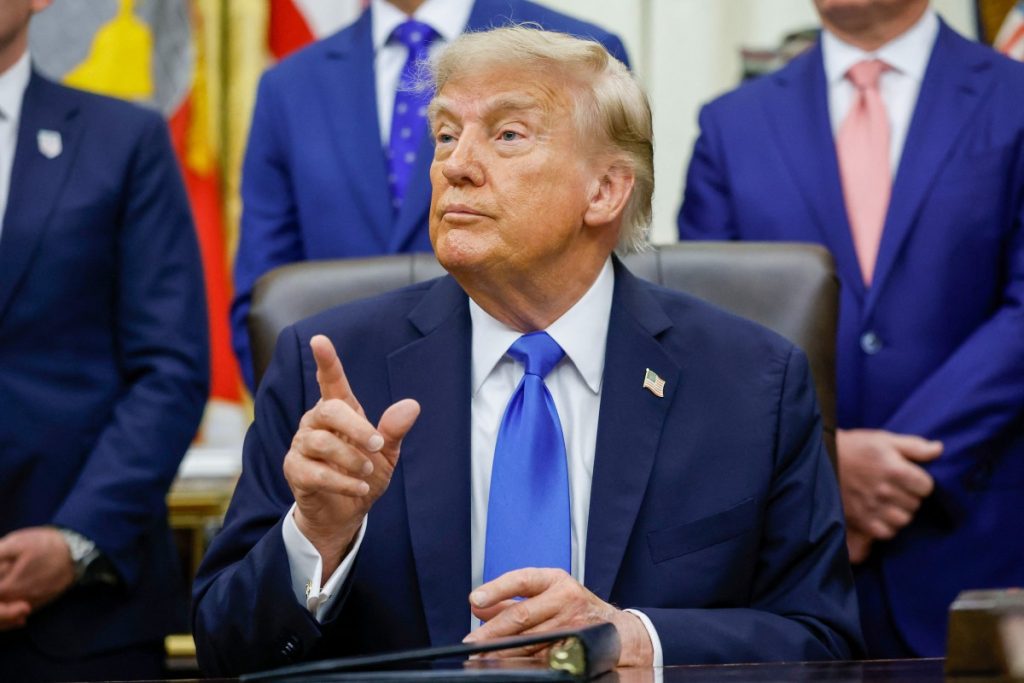
Trump Supports Nvidia CEO's Reinstatement Amid Spy Allegations and Security Concerns
US President Donald Trump has voiced his support for Jensen Huang's return as Nvidia CEO, despite ongoing investigations into possible national security risks linked to the executive's recent scandal. This endorsement comes as lawmakers raise concerns over Huang's past conduct and its implications for US-China relations.

NVIDIA Reaffirms Jensen Huang as President and CEO Amidst Corporate Leadership Changes
NVIDIA has officially reinstated Jensen Huang as its President and CEO, a role he has held since the company’s inception in 1993. Huang's leadership has been pivotal in driving NVIDIA's innovation and growth in the technology sector.

Nigeria's Data Compliance Sector Creates Over 27,000 Jobs in Three Years
The National Data Protection Commission (NDPC) reports a significant growth in employment within Nigeria's data compliance sector, with over 27,000 jobs created in less than three years. The agency aims to expand this figure to 500,000 as the demand for data privacy continues to rise.