

Nigeria's Ports Experience 12.3% Surge in Cargo Throughput Amid Maritime Reforms
The Nigerian Ports Authority has reported a notable increase in cargo throughput for the second quarter of 2026, attributing this growth to recent reforms in the maritime sector. Key performance indicators indicate a robust recovery and enhanced competitiveness of Nigeria's seaports.
The Abuja Times
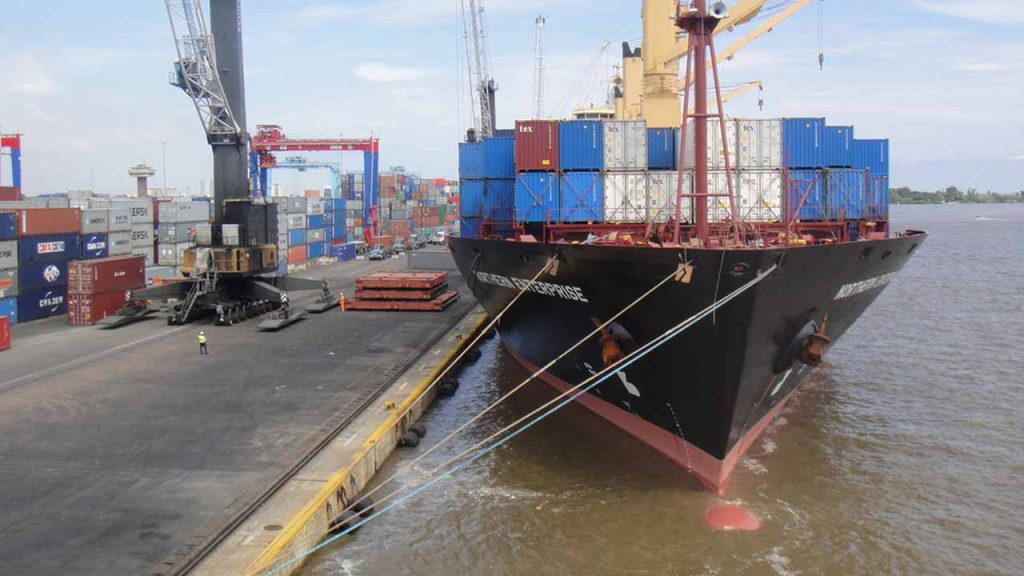
The Nigerian Ports Authority (NPA) has announced a remarkable 12.3% increase in cargo throughput during the second quarter of 2026 compared to the same period in the previous year. This growth, documented in the NPA's Operational Performance Report, highlights the effectiveness of various reforms implemented by the Federal Government aimed at revitalizing the maritime sector.
According to the report, cargo throughput rose from 31,825,592 metric tonnes in Q2 2025 to 35,740,362 metric tonnes in Q2 2026. The Managing Director of NPA, Dr. Abubakar Dantsoho, emphasized the importance of these figures, stating, "The increase in cargo volumes and ship calls underscores the continued resilience of the nation’s seaports to facilitate trade and be more competitive." This positive trend reflects a broader recovery in operational activities at Nigerian ports.
Inward cargo accounted for 56.8% of total cargo handled, while outward cargo represented 41.9%. The report also detailed that transshipment cargo contributed approximately 1.4% of the total throughput, amounting to 488,364 metric tonnes. Inward cargo saw a growth of 7.7%, further illustrating the dynamic nature of the maritime industry in Nigeria.
The improvements in vessel traffic and container movements indicate that the reforms are not only boosting cargo volumes but also enhancing the overall efficiency of port operations. As Nigeria continues to adapt to global trade dynamics, the positive performance of its ports is a promising sign for economic growth and trade competitiveness.
Share this article with your network
Broadcast directly to WhatsApp communities and news circles.
The Abuja Morning Dispatch
Get the capital's most important political investigations, cabinet decisions, and economic intelligence delivered to your inbox every morning.
About The Abuja Times
Super Admin & Lead Director
Related Dispatches in Business

Air Peace Cancels Abuja-Maiduguri Flight Due to Fuel Shortage and Weather Conditions
Air Peace has announced the cancellation of its Abuja-Maiduguri flight, citing fuel shortages and adverse weather as key factors. The airline ensured that affected passengers received refreshments and hotel accommodations after the cancellation occurred just before the airport's night operating window closed.

Nigeria's Public Debt Surges to N166.79 Trillion Amid Economic Challenges
The Debt Management Office (DMO) reports that Nigeria's total public debt has escalated to N166.79 trillion, marking a N7.44 trillion increase in just three months. This rise underscores the growing fiscal pressures faced by the country, with domestic debt constituting a significant portion of the total.

Unlocking Economic Potential: The Impact of Ogun's $7 Billion Deep Seaport and Blue Marine SEZ
Ogun State's ambitious $7 billion deep seaport and Blue Marine Special Economic Zone project promises to transform Nigeria's coastal economy into a thriving industrial hub. This initiative aims to enhance export capabilities and promote sustainable economic growth across the nation.