

Nigeria's N183 Billion Cane Sugar Import Bill Highlights Import Dependence
In the first half of 2026, Nigeria spent approximately N183.5 billion on cane sugar imports, revealing a staggering 97% reliance on foreign sugar sources. Niger State Governor Umar Bago emphasizes the untapped potential for local sugar production, calling for a shift towards domestic cultivation.
The Abuja Times
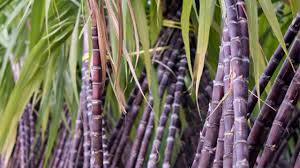
Nigeria's reliance on imported cane sugar reached alarming levels in the first half of 2026, with the country spending about N183.5 billion on imports, according to the National Bureau of Statistics (NBS). This figure underscores a persistent trend of dependency on foreign sugar, as the latest data reveals that imports of cane sugar declined by 26.9% quarter-on-quarter, falling from N106.02 billion in the first quarter to N77.48 billion in the second quarter of the year.
Governor Umar Bago of Niger State, speaking at First Bank's Agricultural Expo in Lagos, highlighted the paradox of Nigeria's sugar production capabilities. Despite the country having suitable land for sugar cultivation, it imports a staggering 97% of the sugar consumed domestically. "All our factories in Lagos, when they say they are producing, it's not true; they process imported sugar concentrates. Only about three percent is what we produce," Bago stated, calling attention to the urgent need for local agricultural investment.
The Niger State Governor did not mince words in expressing the economic potential of sugarcane beyond just raw sugar. He pointed out that the by-products of sugarcane, including ethanol, molasses for confectionaries and animal feed, and bagasse for power generation, could contribute significantly to Nigeria's economy. "There is no waste in the product’s value chain," he asserted, advocating for a comprehensive approach to sugarcane cultivation and processing.
As the country grapples with the economic implications of such heavy import dependence, Bago's remarks serve as a clarion call for policymakers and investors to explore the vast agricultural opportunities that lie within Nigeria's borders. With sugarcane thriving in the wild in parts of the country, the potential for domestic production could not only meet local demand but also position Nigeria as a player in the global sugar market.
"We have arable land. In fact, in my state, sugar grows in the wild, and you can harvest it five times," Governor Bago emphasized, urging for action towards local sugar production.
Share this article with your network
Broadcast directly to WhatsApp communities and news circles.
The Abuja Morning Dispatch
Get the capital's most important political investigations, cabinet decisions, and economic intelligence delivered to your inbox every morning.
About The Abuja Times
Super Admin & Lead Director
Related Dispatches in Business

Obasanjo Accuses Lafarge of Sabotaging Dangote's Cement Expansion in Africa
Former President Olusegun Obasanjo has alleged that French multinational Lafarge has continuously obstructed Aliko Dangote's efforts to expand his cement production across Africa. The claims highlight ongoing tensions between the two companies in the cement industry.

Tanzania Lifts Nigeria from Referral Visa Status Amid Regulatory Changes
Tanzania has announced the removal of Nigeria from its referral visa category, a move that reflects recent amendments to its immigration regulations. This decision is expected to ease travel for Nigerians seeking to visit the East African nation.

Nigeria Launches Construction of New National Control Centre to Enhance Electricity Grid Stability
The Federal Government has commenced the construction of a new National Control Centre in Osogbo, replacing a facility that has served for over six decades. This initiative aims to bolster the monitoring and reliability of Nigeria's electricity grid amidst ongoing challenges in the sector.