

Nigeria's Manufacturing Sector Sees Significant Growth Amid Easing Costs
The Nigerian manufacturing sector achieved a notable 3.2% year-on-year growth in Q2 2026, double the rate from the same period in 2025, driven by improved industrial activities and easing cost pressures. This growth highlights the sector's critical role in Nigeria's economic diversification and job creation, despite ongoing challenges.
The Abuja Times
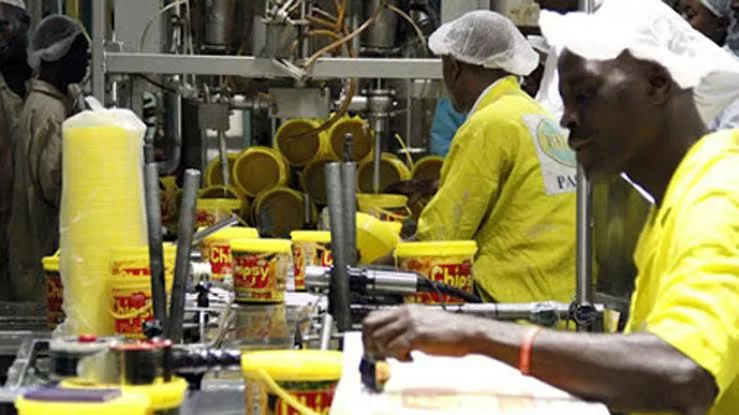
Nigeria's manufacturing sector has recorded a remarkable year-on-year growth of 3.2% in the second quarter of 2026, a significant increase from 1.6% during the same period in 2025. This growth, as reported by the National Bureau of Statistics (NBS), reflects a resurgence in industrial activities fueled by improved conditions across various subsectors, including food and beverages, chemicals, pharmaceuticals, cement, and refining.
The positive performance of the manufacturing sector can largely be attributed to relative stability in the foreign exchange market, which has facilitated manufacturers' access to imported raw materials and production inputs. This stability has allowed businesses to enhance their procurement processes and inventory management, ultimately contributing to increased productivity.
Moreover, the easing of inflationary pressures has played a crucial role in reducing uncertainties surrounding input costs, providing much-needed relief to manufacturers. This shift not only supports production but also aids in more effective business planning, reinforcing the sector's importance in driving Nigeria's economic diversification efforts, particularly in expanding non-oil production and creating jobs.
“Despite the improved performance, manufacturers continue to face structural challenges such as high energy costs, inadequate infrastructure, and logistics bottlenecks,” noted an industry analyst. “These issues undermine competitiveness and limit investment capacity across the sector.”
As Nigeria strives to strengthen its domestic value chains and reduce reliance on oil revenues, the growth of the manufacturing sector remains crucial. However, addressing the existing structural challenges will be essential to sustain this momentum and foster a more resilient industrial landscape.
Share this article with your network
Broadcast directly to WhatsApp communities and news circles.
The Abuja Morning Dispatch
Get the capital's most important political investigations, cabinet decisions, and economic intelligence delivered to your inbox every morning.
About The Abuja Times
Super Admin & Lead Director
Related Dispatches in Business

Governor Mbah Launches Premium Trust Bank in Enugu, Highlights Economic Growth
Governor Mbah inaugurated a new branch of Premium Trust Bank in Enugu, emphasizing the role of security and infrastructure in attracting investments. He expressed hopes for the establishment of up to ten bank branches as economic activities flourish in the region.

Transforming Nigeria's Healthcare Landscape: A Call to Action
President Bola Ahmed Tinubu emphasizes the vital role of the healthcare sector in driving national prosperity, urging investments that cultivate local expertise and produce globally competitive products. He outlines a vision for a robust healthcare economy that not only serves Nigerians but also positions the country as a leader in health innovation.

NNPC's ₦210 Trillion Accountability Question: Unexplained Figures Raise Concerns
The Nigerian National Petroleum Corporation (NNPC) faces scrutiny over ₦210 trillion that remains unexplained, despite assurances from former executives that the funds are not missing. This revelation has ignited debates on financial transparency and accountability within the organization.