

Nigeria's Entry into the Red Sea Alliance: A Shift in Foreign Policy Dynamics
Nigeria's recent membership in the Red Sea Alliance, a maritime security coalition led by Saudi Arabia, highlights a need for a more strategic approach to foreign policy. Analysts argue that the nation must leverage its substantial cultural and economic ties with the Middle East to develop a coherent regional strategy.
The Abuja Times

Nigeria's recent announcement of joining the Red Sea Alliance, a coalition aimed at maritime security and led by Saudi Arabia, has sparked discussions about the nation's foreign policy direction. The coalition includes twelve other predominantly Muslim countries, emphasizing the need for Nigeria to reassess its approach to international relations, particularly in the Middle East.
With the fifth-largest Muslim population globally and being Africa's most populous nation, Nigeria holds significant potential to influence regional dynamics. The size of the Nigerian contingent that participates in the annual Hajj and Umrah pilgrimage underscores the importance of these ties. Moreover, the country's relationship with Israel has been quietly strengthening, reflecting a complex interplay of historical, cultural, and economic factors.
Despite these connections, critics argue that Nigeria's foreign policy remains episodic and reactive rather than strategic and coherent. Many suggest that domestic divisions have hindered the government's ability to formulate a long-term, unified strategy that capitalizes on its political and cultural capital in the region. As noted, since the late 1980s controversy surrounding Nigeria's membership in the Organisation of Islamic Cooperation (OIC), leaders have often navigated Middle Eastern relations cautiously.
"Instead of leveraging our vast cultural and economic ties, we have allowed internal divisions to cloud our foreign policy decisions," said a political analyst. "This new membership could either be a step towards a more strategic approach or another episodic reaction to regional dynamics."
Going forward, it is crucial for Nigeria to develop a comprehensive strategy that aligns its foreign policy with its national interests in the Middle East. This includes not only addressing security concerns but also enhancing diplomatic relations and economic partnerships with countries in the region.
Share this article with your network
Broadcast directly to WhatsApp communities and news circles.
The Abuja Morning Dispatch
Get the capital's most important political investigations, cabinet decisions, and economic intelligence delivered to your inbox every morning.
About The Abuja Times
Super Admin & Lead Director
Related Dispatches in News
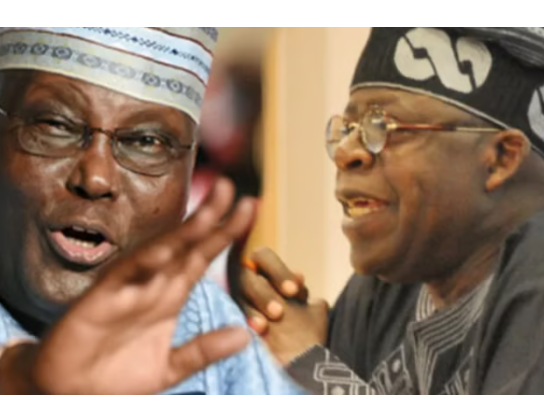
Political Loyalties in Flux: The Shift from Atiku to Tinubu's Camp
Recent developments in Nigerian politics highlight the fluidity of political allegiances, as former spokesmen for Atiku Abubakar transition to support President Bola Tinubu's re-election campaign. This shift raises questions about the nature of political loyalty and public perception in an ever-evolving political landscape.

Ebola Resurfaces: Nigeria Faces New Challenge a Decade After 2014 Triumph
As Nigeria marks a significant anniversary in its public health history, the confirmation of a new Ebola case in Abuja raises urgent questions about the nation's preparedness. The recent incident serves as a critical test of the lessons learned from the 2014 outbreak that was successfully contained.

Kwankwaso Vows to Prioritize Jobs and Security in 2027 Election Campaign Amidst Obi's Absence
Rabiu Kwankwaso has outlined key focus areas for his envisioned Nigeria Democratic Congress (NDC) government, emphasizing the importance of security, education, and agricultural development. This pledge comes as fellow presidential hopeful Peter Obi misses an important meeting in Plateau State.