

Nigeria's Digital Security Command Centres: Promises vs. Performance
As various states across Nigeria unveil advanced digital security command centres, questions arise regarding their effectiveness in addressing rising insecurity. Despite significant investments in technology for crime detection and prevention, incidents of violence and kidnapping persist in several regions.
The Abuja Times
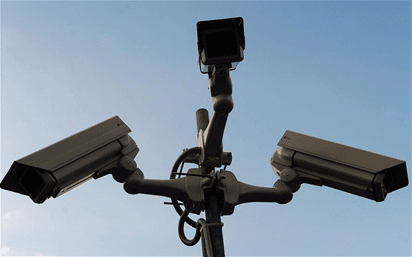
In recent months, states such as Enugu, Akwa Ibom, Plateau, Oyo, Gombe, and Edo have launched digital security command and control centres, marking a significant investment in technology to enhance public safety. These facilities are equipped with advanced features including CCTV surveillance, drones, and AI-enabled cameras, designed to provide comprehensive monitoring and response capabilities. For instance, Enugu's centre boasts long-range drones with day-and-night vision capabilities, while Akwa Ibom is developing a facility aimed at integrating information and communication for real-time responses to threats.
However, the effectiveness of these high-tech initiatives is under scrutiny as states continue to grapple with high-profile security challenges. Despite the technological advancements, Plateau State has reported ongoing herder-related attacks, while Enugu remains plagued by kidnappings linked to criminal groups. The persistent insecurity raises critical questions about the actual impact of these digital command centres on crime reduction and public safety.
Critics argue that while the investment in security technology is commendable, the lack of tangible results undermines the purpose of these centres. Oyo State, for example, continues to experience incidents of kidnapping, and Edo has not been immune to similar threats. The situation in Gombe and other northern states reflects a broader trend of rising insecurity, suggesting that technology alone may not be sufficient to combat the complexities of crime in Nigeria.
“These systems are supposed to give government eyes where conventional patrols cannot easily go,” a security analyst noted, emphasizing the need for effective implementation and coordination among security agencies.
As the Nigerian government continues to invest in digital security solutions, there is an urgent need for accountability and measurable outcomes to ensure that these initiatives fulfill their intended purpose of safeguarding citizens. The challenge lies not just in deploying technology, but in translating that investment into real-world security improvements.
Share this article with your network
Broadcast directly to WhatsApp communities and news circles.
The Abuja Morning Dispatch
Get the capital's most important political investigations, cabinet decisions, and economic intelligence delivered to your inbox every morning.
About The Abuja Times
Super Admin & Lead Director
Related Dispatches in News

APC Asserts Readiness for 2027 Elections, Criticizes Opposition Leaders
The All Progressives Congress (APC) has declared its commitment to winning the 2027 general elections, criticizing opposition figures Atiku Abubakar and Peter Obi for lacking substantive discourse. APC spokesperson Felix Morka emphasized the party's strategic preparations and recent electoral successes in a televised interview.

Tinubu Prioritizes Governance Over Campaigning Ahead of 2027 Elections
President Bola Tinubu announces he will skip select APC campaign rallies for the 2027 elections, emphasizing the importance of governance, financial obligations, and attracting investors to Nigeria. His decision reflects a strategic approach to balancing political responsibilities with pressing national demands.

Senate Leadership Contest Heats Up as Akpabio Engages Tinubu Amid Uzodimma's Aspirations
In a move to solidify his position, Godswill Akpabio is seeking the support of President Tinubu as Imo State Governor Uzodimma sets his sights on the presidency of the 11th Senate. The power struggle highlights the intense political maneuvers ahead of the 2027 elections.