

Nigeria at 66: The Judiciary Under Strain as Justice Eludes Many
As Nigeria marks 66 years of independence, the integrity of its judiciary faces significant challenges, raising concerns about the accessibility and understanding of justice for its citizens. With conflicting court orders and lengthy legal processes, questions arise about whether the judiciary can still serve as a bastion for the weak against the powerful.
The Abuja Times
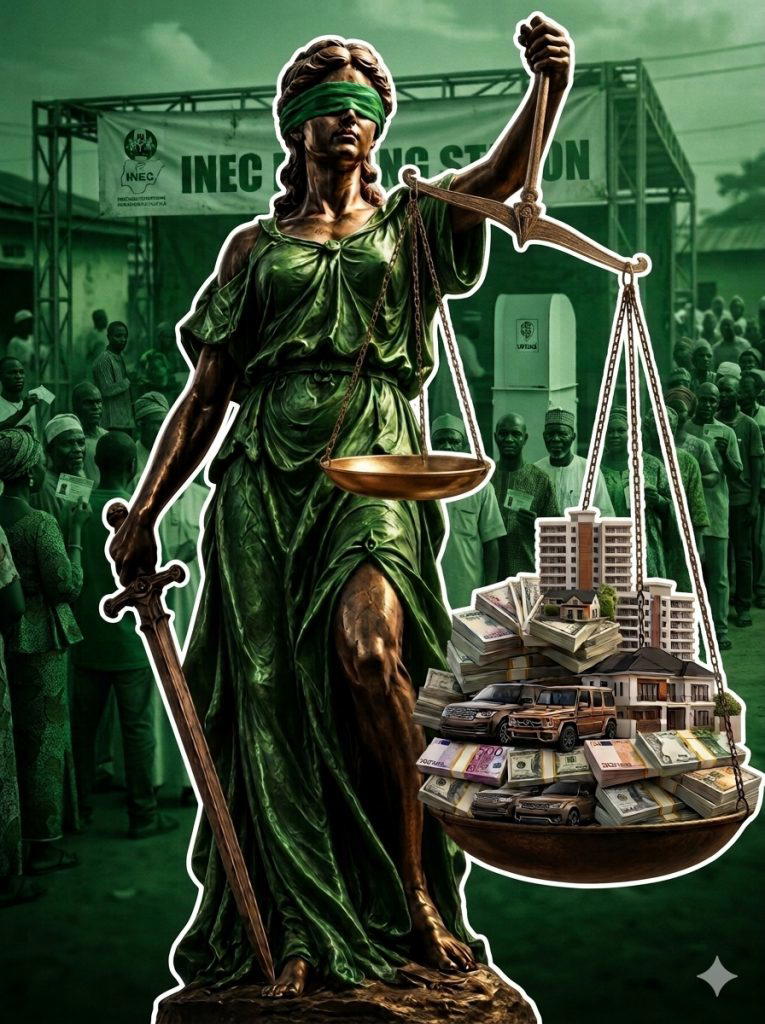
As Nigeria celebrates 66 years of independence, the state of its judiciary has come under intense scrutiny, revealing cracks in a system meant to uphold justice and equity. The judiciary is traditionally seen as the ultimate arbiter of disputes, a sanctuary where the weak can seek redress against the strong. However, this foundational promise appears increasingly compromised, leading to a profound public distrust in the very institutions designed to protect citizens' rights.
The National Judicial Council (NJC) has recently taken steps to address these issues, summoning Chief Judges from key courts in response to alarming reports of conflicting orders and delayed judgments. Such actions underscore a growing recognition of the judiciary's struggles, where litigants often find themselves ensnared in a web of convoluted legal jargon and protracted wait times. The council's measures, including the discipline of judges for abuse of discretion and failure to adhere to timelines, highlight a systemic crisis that extends beyond individual cases.
Moreover, the opacity of judicial reasoning has become a pressing concern. Many judgments appear disconnected from common logic, leaving litigants bewildered and questioning the very nature of justice. As articulated by legal experts, when the rationale underlying judicial decisions becomes difficult to grasp, the legitimacy of the judiciary itself is called into question. This situation not only hampers public confidence but also threatens the very fabric of democracy in Nigeria.
Looking forward, the path to restoring faith in the judiciary will require substantial reforms aimed at enhancing transparency and efficiency. As Nigeria navigates its 67th year, the imperative is clear: to reaffirm the judiciary’s role as a protector of rights and an enforcer of the rule of law, thereby ensuring that justice is not just a promise but a reality for all citizens.
Share this article with your network
Broadcast directly to WhatsApp communities and news circles.
The Abuja Morning Dispatch
Get the capital's most important political investigations, cabinet decisions, and economic intelligence delivered to your inbox every morning.
About The Abuja Times
Super Admin & Lead Director
Related Dispatches in News

Tributes Flow as Former Delta Governor Uduaghan's Remains Arrive Home
The remains of Dr. Emmanuel Uduaghan, former governor of Delta State, have been received in Delta amidst an outpouring of tributes from political leaders and citizens alike. Governor Sheriff Oborevwori led the reception at Osubi Airport, reflecting on Uduaghan's legacy and contributions to the state.

Court Nullifies EFCC Investigation into London/Paris Club Refunds
The Federal High Court has annulled the EFCC's investigation report on alleged fraud concerning the London/Paris Club refunds, asserting that the Federal Government overstepped its authority. Justice Suleiman Belgore emphasized the need to respect judicial decisions, highlighting the improper directives given to the anti-graft agency.

NCC and Customs Join Forces to Curb Non-Compliant Mobile Devices in Nigeria
The Nigerian Communications Commission is collaborating with the Nigeria Customs Service to prevent the entry of non-compliant mobile devices, emphasizing regulatory adherence. Devices failing to meet standards may face restrictions from telecommunications networks, promoting fair competition in the market.