

Nigeria Aims for 70% Local Production of Essential Medicines by 2030
The Nigerian government has set an ambitious target to achieve 70% local production of essential medicines by the year 2030, as announced by the Minister of State for Health and Social Welfare, Iziaq Salako. This initiative was unveiled during the opening of the 8th Nigeria Pharma Manufacturers Expo in Lagos, highlighting the country's commitment to enhancing its pharmaceutical manufacturing capabilities.
The Abuja Times

The Nigerian government is striving to bolster its pharmaceutical industry by aiming for 70% local production of essential medicines by 2030. This objective was articulated by Iziaq Salako, the Minister of State for Health and Social Welfare, during the inauguration of the 8th Nigeria Pharma Manufacturers Expo, hosted by the Pharmaceutical Manufacturers Group of the Manufacturers Association of Nigeria (PMG-MAN) in Lagos.
Salako emphasized the critical importance of self-sufficiency in the production of essential medicines, particularly in the wake of global supply chain disruptions exacerbated by the COVID-19 pandemic. He noted that enhancing local manufacturing capabilities would not only ensure a stable supply of medications but also reduce the country's dependency on imports, ultimately improving healthcare outcomes for Nigerians.
In his address, Salako mentioned,
“The government is committed to creating an enabling environment for pharmaceutical manufacturers to thrive. We believe that by supporting local production, we can provide affordable and accessible healthcare to all Nigerians.”This statement underscores the administration's broader health strategy aimed at increasing access to medicines and fostering economic growth within the healthcare sector.
The Minister also highlighted the potential for job creation and technological advancement within the pharmaceutical industry, suggesting that increased local production could lead to a more skilled workforce and innovation in drug manufacturing processes. The government's initiative aligns with global trends advocating for stronger domestic capacities in the health sector.
As Nigeria embarks on this ambitious path, stakeholders in the pharmaceutical industry are urged to collaborate closely with the government to realize these goals. The success of this initiative could mark a significant turning point for Nigeria's healthcare landscape, positioning the country as a leader in pharmaceutical manufacturing in Africa.
Share this article with your network
Broadcast directly to WhatsApp communities and news circles.
The Abuja Morning Dispatch
Get the capital's most important political investigations, cabinet decisions, and economic intelligence delivered to your inbox every morning.
About The Abuja Times
Super Admin & Lead Director
Related Dispatches in Business
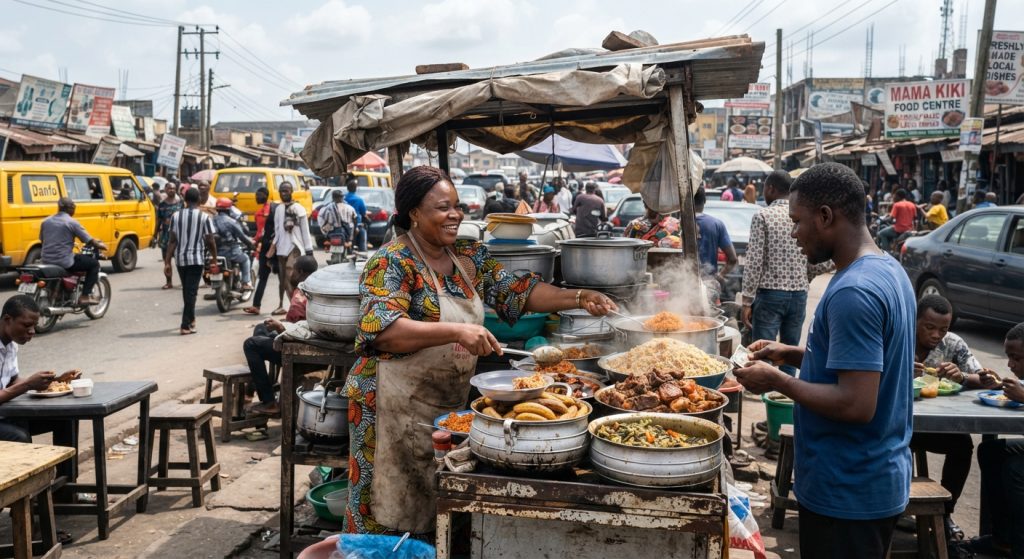
Rising Inflation Forces Roadside Restaurants to Reduce Food Portions in Nigeria
As inflation continues to strain the budgets of Nigerians, roadside eateries known as 'buka' are serving smaller portions at higher prices, leaving many customers dissatisfied. The shift reflects the broader economic challenges affecting the purchasing power of low and middle-income earners across the country.

Nigerian Exchange Faces Continued Decline Amid Selling Pressure Despite Inflation Drop
The Nigerian Exchange Limited (NGX) has seen a significant drop in market capitalisation, losing over N535 billion due to persistent selling pressure, even as inflation rates continue to decline. Analysts suggest that market sentiment may improve in the near future, potentially attracting bargain hunters.

NCDMB and Heritage Energy Empower 48 Nigerians Through Subsea Engineering Training
The Nigerian Content Development and Monitoring Board (NCDMB) has partnered with Heritage Energy to equip 48 Nigerians with essential skills in subsea engineering. This comprehensive training program combines classroom instruction with hands-on experience to enhance the participants' expertise in a critical industry sector.