

NHRC Warns: Impunity for Electoral Offenders Undermines Nigeria's Democratic Integrity
The National Human Rights Commission (NHRC) has raised alarms over the persistent impunity surrounding electoral offenses in Nigeria, asserting that without accountability, the nation's electoral process remains at risk. The call to action emphasizes the urgent need for authorities to enforce laws against electoral malpractices to safeguard the integrity of future elections.
The Abuja Times

The National Human Rights Commission (NHRC) has issued a stark warning regarding the ongoing challenges posed by electoral offenses in Nigeria, underscoring that the failure to prosecute those who engage in such activities poses a significant threat to the nation's democratic process. During a recent address, the NHRC's leadership highlighted that as long as electoral offenders can act without fear of repercussions, the credibility of elections will continue to be compromised.
NHRC officials pointed out that the lack of accountability not only emboldens wrongdoers but also disenfranchises the electorate, who may lose faith in the democratic process. The Commission's head stressed that electoral integrity is crucial for maintaining public trust and ensuring that the will of the people is accurately reflected in election outcomes.
“Electoral offenses will remain a persistent issue in Nigeria unless there are tangible consequences for those who commit these crimes,” the NHRC head stated, calling for a concerted effort from law enforcement and judicial bodies to address these violations.
The NHRC's remarks come in the wake of mounting concerns over the conduct of recent elections, where allegations of voter intimidation, ballot box snatching, and other malpractices have been reported. Stakeholders are urged to take the NHRC's warning seriously, as the implications of inaction could lead to further erosion of public confidence in the electoral system.
As Nigeria approaches future elections, the NHRC's call for robust enforcement of electoral laws is seen as imperative for fostering a political environment that is fair, transparent, and representative of the citizens' choices. Without decisive action against electoral offenders, the dream of free and fair elections in Nigeria may remain an elusive goal.
Share this article with your network
Broadcast directly to WhatsApp communities and news circles.
The Abuja Morning Dispatch
Get the capital's most important political investigations, cabinet decisions, and economic intelligence delivered to your inbox every morning.
About The Abuja Times
Super Admin & Lead Director
Related Dispatches in News
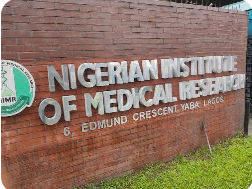
NIMR Responds to ASURI's Claims Amid Tenure Policy Controversy
The Nigerian Institute of Medical Research (NIMR) has rebutted allegations of victimization by the Academic Staff Union of Research Institutions (ASURI) regarding the implementation of the Federal Government's tenure policy for directors. NIMR insists it is merely executing a government directive and denies any internal conflicts or personal vendettas.

Governor Mbah Appoints 68 Development Centre Administrators to Enhance Grassroots Governance
In a strategic move to bolster grassroots governance, Governor Mbah has inaugurated 68 administrators for development centres across the state, emphasizing the importance of effective communication of government initiatives. The new administrators are tasked with ensuring that government policies and projects reach more communities, fostering greater public engagement.

Nigeria Among Nine African Nations Facing Yellow Fever Outbreak with 67 Confirmed Cases
The World Health Organization reports a worrying increase in yellow fever cases across Nigeria and eight other African countries, highlighting the urgent need for vaccination and public health measures. Nigeria recorded four confirmed cases, including one fatality, further stressing the importance of vigilance against this preventable disease.