

Navigating the Storm: Protectionism as a Solution for Nigeria's Retail Sector
Nigeria's retail sector, vital for the economy, faces significant challenges from a surge in imports, particularly from China. To safeguard local industries and promote economic sustainability, a shift towards protectionism may be necessary.
The Abuja Times
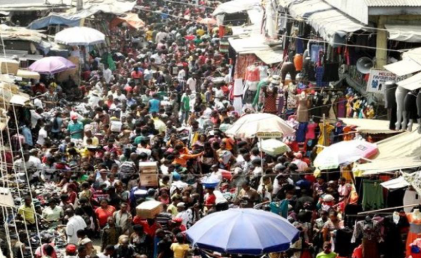
Nigeria's retail landscape serves as a crucial foundation for the nation's economy, encompassing everything from small corner shops to expansive supermarkets and wholesale distributors. Millions of Nigerians rely on these retail activities for their livelihoods, making the health of this sector imperative for economic stability. However, the sector is currently under siege by a rising tide of imported goods, predominantly from China and other major manufacturing nations, raising concerns about the future of local manufacturing and job security.
The influx of foreign products has sparked a robust debate about the balance between consumer access to global markets and the imperative to nurture domestic industries. Recent statistics reveal alarming trends; in the first half of 2026 alone, Nigeria imported goods worth an astounding N28.04 trillion, with imports from China accounting for a staggering N11.01 trillion, or nearly 40% of total imports. In stark contrast, Nigeria's exports to China amounted to just N1.09 trillion, resulting in a significant trade imbalance that underscores the vulnerability of local retailers and manufacturers.
Such figures prompt a pressing national conversation about the trajectory of Nigeria's manufacturing and retail sectors. The question isn't merely whether Nigerians should have access to foreign goods, but whether the nation can sustain its economic foundations if its dependence on imports continues unchecked. As the retail sector grapples with these challenges, the call for protectionist measures grows louder, advocating for policies that would bolster local production and reduce reliance on foreign imports.
“The flood of imported products poses a risk not only to local businesses but also to the overall economy, threatening jobs and livelihoods across the nation,” said industry analysts.
In order to create a sustainable economic future, Nigeria must explore strategies that protect its retail and manufacturing sectors from the adverse effects of global competition. By fostering an environment that prioritizes local production, the country can work towards achieving greater economic independence and resilience, ensuring that the retail sector continues to thrive amidst global challenges.
Share this article with your network
Broadcast directly to WhatsApp communities and news circles.
The Abuja Morning Dispatch
Get the capital's most important political investigations, cabinet decisions, and economic intelligence delivered to your inbox every morning.
About The Abuja Times
Super Admin & Lead Director
Related Dispatches in Business

NCDMB and Renaissance Initiative Empower 60 Nigerians with Essential Oil and Gas Skills
In a significant move to bolster Nigeria's oil and gas sector, the NCDMB and Renaissance Initiative have launched a 12-month training program for 60 participants at Nigeria Machine Tools Limited in Osogbo, Osun State. This initiative aims to cultivate a new generation of skilled professionals equipped with critical technical expertise.

Ogun East's Economic Transformation: A Catalyst for National Growth, Says Abiodun
Governor Dapo Abiodun asserts that the strategic development of Ogun East will significantly enhance Nigeria's economic landscape, bolstering maritime trade and industrial capacity. He highlights the region's potential to create jobs and attract investments, thereby strengthening the country's logistics network.

SEC Issues Caution on Unregistered Investment Platforms: A Warning to Nigerians
The Securities and Exchange Commission (SEC) has raised alarms regarding investments with the unregistered entity WayvePay, cautioning Nigerians about the risks of fraud and investment loss. This advisory emphasizes the importance of dealing with regulated financial platforms to safeguard investments.