

Navigating the Political Landscape: The Church's Role in Nigeria's Future
As Nigeria gears up for the 2027 elections, the intertwining of faith and politics is coming to the forefront, with the church poised to play a pivotal role in shaping the nation's destiny. The period following the 2023 elections has already seen significant political realignments, hinting at a transformative election period ahead.
The Abuja Times

The countdown to Nigeria's 2027 elections has officially begun, igniting a fervent atmosphere of political engagement across the nation. With the commencement of electioneering campaigns for various offices, citizens and political stakeholders alike are reflecting on the implications of recent political realignments that have emerged since the conclusion of the 2023 elections. The church, with its vast influence and reach, stands at the intersection of faith and politics, potentially guiding the prophetic destiny of Nigeria.
In the wake of the recent elections, many observers have noted an unprecedented level of political maneuvering, as various factions seek to consolidate power and influence ahead of the upcoming polls. This evolving political landscape presents both challenges and opportunities for the church, which has historically played a significant role in shaping public opinion and mobilizing voters. The question remains: how will the church navigate these turbulent waters to fulfill its prophetic destiny for the nation?
As political alignments continue to shift, the church's engagement in the electoral process is becoming increasingly vital. Leaders within the religious community are called to provide guidance and moral clarity, encouraging their congregations to participate actively in the democratic process. This involvement is not merely about endorsing candidates but also about advocating for policies that align with the core values of justice, peace, and integrity.
The interplay between faith and governance is crucial, as the church can serve as a moral compass in an often tumultuous political environment.
Looking ahead, the church's role in the upcoming elections will be pivotal not only in influencing voter behavior but also in fostering a culture of accountability among political leaders. By encouraging civic engagement and promoting discussions about the ethical responsibilities of leadership, the church can help to nurture a political climate that aligns with the prophetic vision for Nigeria's future.
Share this article with your network
Broadcast directly to WhatsApp communities and news circles.
The Abuja Morning Dispatch
Get the capital's most important political investigations, cabinet decisions, and economic intelligence delivered to your inbox every morning.
About The Abuja Times
Super Admin & Lead Director
Related Dispatches in News
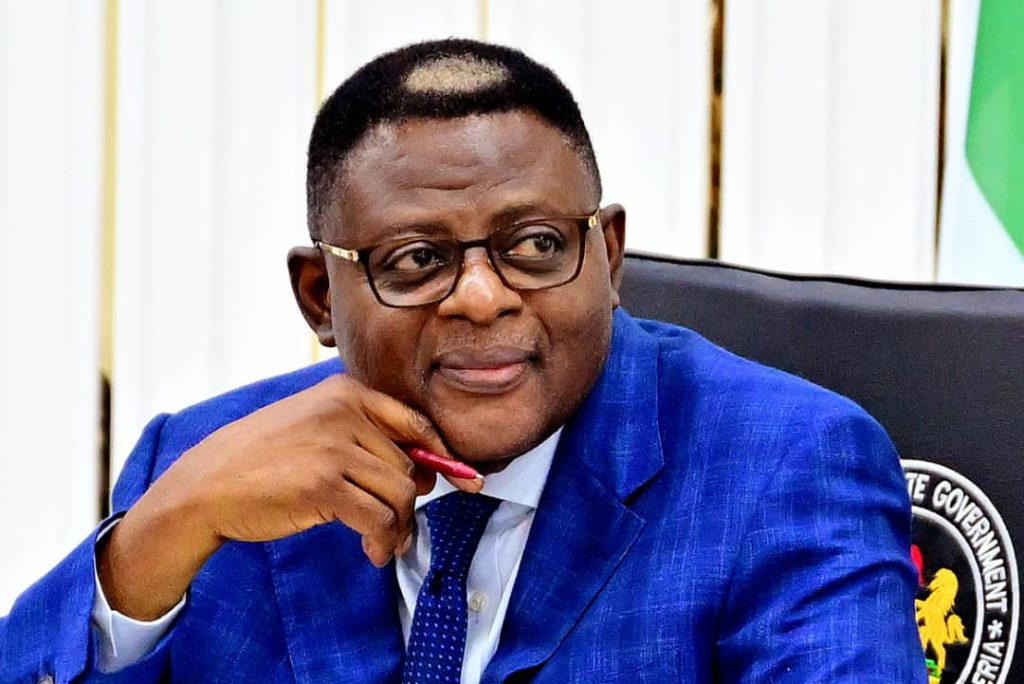
C’River govt shuts 58 unapproved schools in ongoing crackdown
The Cross River government says it has shut down no fewer than 58 unapproved schools in Calabar South, Calabar Municipality, Odukpani and Yakurr Local Government Areas (LGAs) of the state. The Commiss

Abiodun Expands Educational Support Program to 1,277 Beneficiaries
Governor Dapo Abiodun's education support initiative has successfully extended its reach to 1,277 beneficiaries, incorporating new elements including entrepreneurship support and digital skills training. This expansion aims to empower youth with practical skills for both employment and self-reliance in a rapidly evolving job market.

Federal High Court Directs APC to Hold Fresh Primaries in Plateau Wards
In a significant ruling, the Federal High Court in Jos has mandated the All Progressives Congress to conduct new primary elections in ten wards of the Jos South/Jos East Federal Constituency. This decision aims to address concerns regarding the legitimacy of previous electoral processes within the party.