

Mauritius Tops 2026 Innovation Rankings as Africa Embraces Technological Advancement
The Global Innovation Index 2026 highlights Africa's most innovative nations, showcasing a surge in technology and entrepreneurship aimed at economic growth. Mauritius leads the continent, followed closely by Morocco and South Africa, as countries adopt diverse strategies to enhance their competitive edge globally.
The Abuja Times
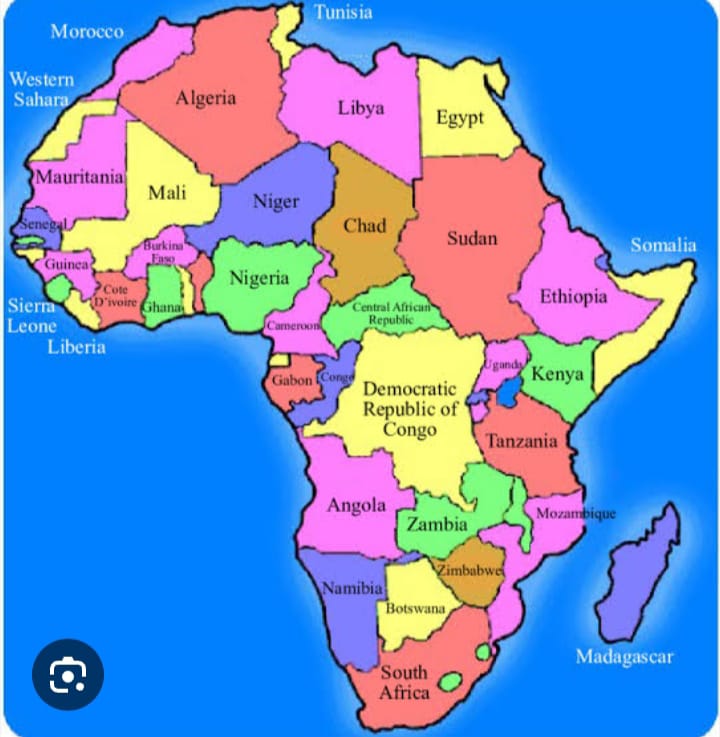
Africa's ambition to enhance its economic landscape is reflected in the 2026 Global Innovation Index, which showcases countries that are investing heavily in technology, research, and entrepreneurship. With innovation becoming a critical driver for economic growth, nations across the continent are adopting various strategies, whether through mobile money solutions, advancements in artificial intelligence, or enhancing industrial capabilities. This diversity in approach underscores the continent's rich potential and the varying pace at which innovation is being embraced.
Leading the pack is Mauritius, which has secured the top position among African nations with a score of 34.1 and a global ranking of 50th. This achievement is indicative of the nation’s commitment to fostering an economy that is increasingly reliant on financial services and technology-driven entrepreneurship. Mauritius's focus on building robust research institutions and an enabling environment for startups has played a significant role in its innovation success.
Following Mauritius are Morocco and South Africa, which are also making strides in the innovation landscape. Morocco has been recognized for its advancements in renewable energy and digital technology, while South Africa continues to leverage its established research institutions to drive innovation in various sectors including agriculture and healthcare. This competitive spirit is essential as African nations seek to carve out their niches on the global stage.
Despite these advancements, challenges remain. Access to investment, skilled labor, and reliable infrastructure continues to hinder the pace of innovation in some regions. As highlighted in the report, the capacity to develop new technologies and translate ideas into marketable products is still uneven across the continent. Countries are urged to address these disparities to harness the full potential of their innovative capabilities.
“The varying levels of innovation across Africa reflect a need for targeted investment in infrastructure and education,” an analyst noted. “By focusing on these areas, nations can better position themselves to compete globally.”
As the continent moves forward, the importance of fostering an innovation-friendly ecosystem will be crucial in driving economic growth and improving the quality of life for its citizens. The Global Innovation Index serves as a reminder of the opportunities that lie ahead for African nations willing to invest in their futures.
Share this article with your network
Broadcast directly to WhatsApp communities and news circles.
The Abuja Morning Dispatch
Get the capital's most important political investigations, cabinet decisions, and economic intelligence delivered to your inbox every morning.
About The Abuja Times
Super Admin & Lead Director
Related Dispatches in Business

Nigeria and African Nations Set Climate Agenda Ahead of COP31
As the UN climate summit approaches, Nigeria and its African counterparts are prioritizing access to climate finance, particularly focusing on grant-based and concessional funding. These negotiations aim to ensure sustainable development and address the pressing climate challenges faced by the continent.

NNPC Disclaims Responsibility for Nigeria's Dwindling Power Generation
As electricity supply dwindles across major Nigerian cities, including Lagos and Abuja, the Nigerian National Petroleum Corporation (NNPC) asserts that its gas supply is not the root cause of the power crisis. The statement comes amid increasing frustration over the nation's erratic power supply.

Nigeria Achieves Milestone with 160 Operational CNG Stations Amidst $2.6 Billion Private Investment Surge
The Nigerian government has announced the establishment of 160 operational Compressed Natural Gas (CNG) stations, fueled by an impressive $2.6 billion in private sector investments over the past two years. This development marks a significant step towards enhancing the nation's energy landscape and reducing reliance on traditional fuels.