

Manufacturers Face Financial Strain as Unsold Goods Reach N1.7 Trillion
The manufacturing sector in Nigeria grapples with unprecedented inventory levels, reaching approximately N1.77 trillion, as operational costs continue to rise. Leading firms like Dangote Cement and UACN are notably affected, raising alarms about the sustainability of business practices amidst growing financial pressures.
The Abuja Times
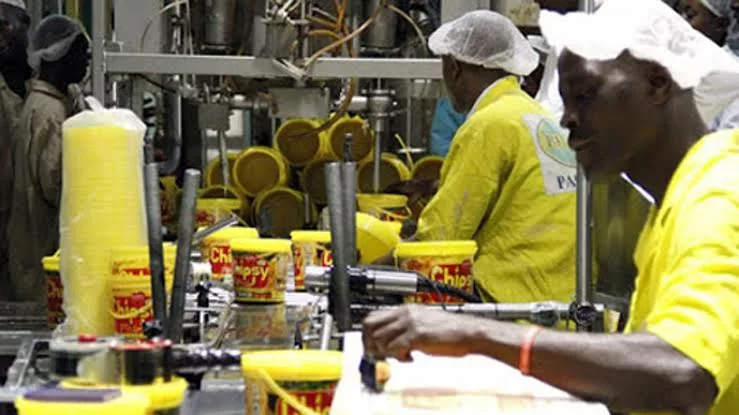
The manufacturing landscape in Nigeria is experiencing a significant challenge, with reported unsold goods reaching an alarming N1.77 trillion as of the second quarter of 2026. This figure, reflecting a 10.6% increase from the previous year, underscores the mounting pressures faced by manufacturers as the cost of sales concurrently climbs to N1.43 trillion, marking a 13.7% rise from N1.261 trillion in Q1 2025.
Industry giants such as Dangote Cement and UACN are leading this inventory build-up, as companies across various sectors including consumer goods, agriculture, and building materials grapple with the dual challenge of excess stock and escalating production costs. The data points to a manufacturing environment where businesses are compelled to carry significantly more inventory, raising questions about the underlying factors driving this trend.
Experts attribute the inventory accumulation to a variety of factors, including shifts in consumer demand, rising input costs, and specific operational challenges faced by individual companies. Notably, Dangote Cement reported the highest inventory position of N703.58 billion, reflecting the pressures that even the largest firms are facing in this volatile economic climate.
“The current inventory levels are a clear indication of the financial strain on manufacturers, which could have long-term implications for pricing, employment, and overall economic stability,” said a financial analyst familiar with the sector.
Looking ahead, financial experts are calling for strategic interventions to mitigate these challenges. They suggest that companies must adopt more agile inventory management practices and enhance production efficiencies to navigate the rising cost pressures. Without such measures, the sustainability of the manufacturing sector could be at risk, affecting not only businesses but also consumers who may face higher prices in the long run.
Share this article with your network
Broadcast directly to WhatsApp communities and news circles.
The Abuja Morning Dispatch
Get the capital's most important political investigations, cabinet decisions, and economic intelligence delivered to your inbox every morning.
About The Abuja Times
Super Admin & Lead Director
Related Dispatches in Business

Niger Delta Hosts Landmark Investment Summit to Diversify Economic Opportunities
The Niger Delta Economic and Investment Summit (NDEIS) convenes in Port Harcourt, emphasizing the region's shift from oil dependency to a broader investment landscape. Stakeholders are urged to explore diverse economic avenues to stimulate growth and development in the region.

Investors Gear Up for Dangote Refinery IPO as Subscription Opens Monday
The much-anticipated Initial Public Offering (IPO) for Dangote Refinery commences on Monday, offering 4.1 billion shares at ₦525 each. This opportunity allows investors to participate in a pivotal player in Nigeria's energy sector.

Zenith Bank Facilitates Easy Subscription to Dangote Refinery Shares
Zenith Bank has launched multiple convenient channels for investors to subscribe to shares of the Dangote Refinery, enhancing accessibility for potential shareholders across Nigeria. The services are available through the bank's website, mobile app, and various other platforms.