

Lula da Silva Secures Historic Fourth Term in Brazil's Presidential Election
In a remarkable political turnaround, Luiz Inacio Lula da Silva emerged victorious over Flavio Bolsonaro, marking his fourth term as Brazil's president. This election not only showcases Lula's resilience but also signifies a critical moment against a backdrop of rising conservative sentiments in Latin America.
The Abuja Times
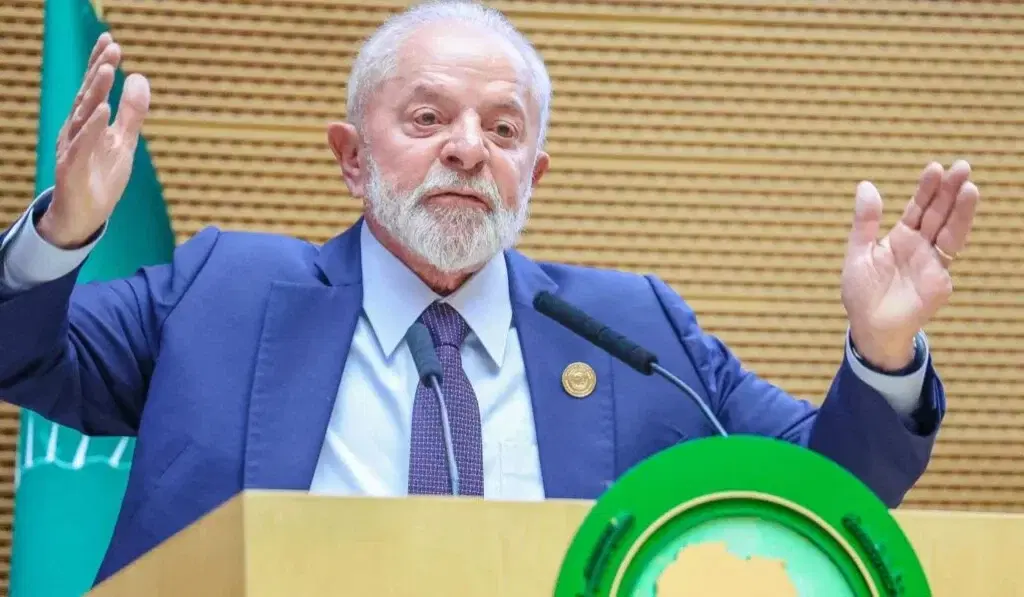
Brazil's leftist leader, Luiz Inacio Lula da Silva, has made history by winning an unprecedented fourth term in a fiercely contested presidential election against right-wing senator Flavio Bolsonaro. The election, held on October 25, 2026, was marked by significant tension, with Lula securing 51.75% of the votes compared to Bolsonaro's 48.25%, defying predictions that had favored the latter.
Lula's comeback is particularly noteworthy given that he faced a challenging first round where Bolsonaro had a commanding lead. The electoral process was further complicated by a last-minute Supreme Court ruling that extended voting hours, a decision made after Lula raised concerns about accessibility for voters due to bus services being canceled in several cities.
This victory for Lula is not just a personal triumph but a significant moment for Brazil as it resists the recent trend of conservative shifts seen in neighboring countries such as Argentina, Chile, and Colombia. Supporters gathered in large numbers to celebrate Lula's win, viewing it as a pivotal stand against the conservative wave that has swept through the region, often fueled by the influence of former U.S. President Donald Trump's policies.
"This election is a testament to the will of the Brazilian people, and it sends a strong message that democracy will prevail against all odds," Lula declared in his victory speech.
As Brazil moves forward under Lula's leadership, the implications of this election will likely resonate throughout Latin America, where political dynamics continue to evolve. The upcoming term will require Lula to navigate a complex landscape of economic challenges and social issues, all while uniting a politically divided nation.
Share this article with your network
Broadcast directly to WhatsApp communities and news circles.
The Abuja Morning Dispatch
Get the capital's most important political investigations, cabinet decisions, and economic intelligence delivered to your inbox every morning.
About The Abuja Times
Super Admin & Lead Director
Related Dispatches in World

6.7 Magnitude Earthquake Strikes Central Peru, Causes Minor Damage
A powerful 6.7-magnitude earthquake rattled central Peru on Friday evening, prompting evacuations and reports of minor damage but no casualties. The quake, which struck near Junin, was felt across multiple regions including Lima, with authorities monitoring the situation closely.

Global Leaders Convene in China to Address Rising Tensions
In a pivotal trilateral meeting, US President Donald Trump, Russian President Vladimir Putin, and Chinese leader Xi Jinping gather in Shenzhen to discuss pressing global issues following significant political shifts in the United States. The summit aims to stabilize international relations amidst growing unrest and uncertainty.

World Leaders Unite to Address Nuclear Risks and Security Concerns
In a landmark trilateral summit held in Shenzhen, China, US President Donald Trump, Russian President Vladimir Putin, and Chinese President Xi Jinping have committed to discussions aimed at reducing nuclear risks and enhancing global security. The leaders also addressed the need for reforms in the United Nations to bolster its effectiveness in tackling international challenges.