

Lagos Governorship Candidates Clash Over Transport and Healthcare Solutions
In the lead-up to the Lagos gubernatorial elections, candidates revealed starkly differing visions for the city's transport and healthcare sectors, sparking heated debates. A central point of contention is the role of private investment in expanding Lagos’s rail network amidst calls for substantial government funding.
The Abuja Times

The race for the Lagos governorship has intensified as candidates present their contrasting plans for two critical areas: transport and healthcare. During a recent debate, the candidates articulated their positions, with some advocating for increased private sector involvement in financing major infrastructure projects, while others insisted that substantial government investment is crucial for sustainable development.
One of the key issues discussed was the future of Lagos's rail network, which has been a focal point in the city's transport strategy. Candidates are divided on whether private investors can be relied upon to fund expansions without significant government support. Proponents of private investment argue that leveraging private capital can expedite project timelines and reduce the burden on public finances.
“We need to create an environment where private players feel confident to invest in our rail system, but this cannot happen without a solid foundation of government backing,” said one candidate.
On the other side, critics of the private investment model caution that over-reliance on the private sector may lead to increased costs for commuters and inadequate service delivery. They stress that public funding is essential not only for infrastructure but also for ensuring equitable access to healthcare services across Lagos.
The healthcare debate centered on accessibility and affordability, with candidates outlining their strategies to improve health services in the densely populated state. While some proposed partnerships with private hospitals to enhance service delivery, others emphasized the need for robust public health funding to cater to the underserved communities.
“Healthcare is a right, not a privilege. We must ensure that every Lagosian has access to quality healthcare without exorbitant costs,” another candidate remarked.
As the elections approach, these discussions reflect the broader challenges facing Lagos, highlighting the critical balance between public and private sector roles in shaping the future of the state's infrastructure and healthcare systems.
Share this article with your network
Broadcast directly to WhatsApp communities and news circles.
The Abuja Morning Dispatch
Get the capital's most important political investigations, cabinet decisions, and economic intelligence delivered to your inbox every morning.
About The Abuja Times
Super Admin & Lead Director
Related Dispatches in News
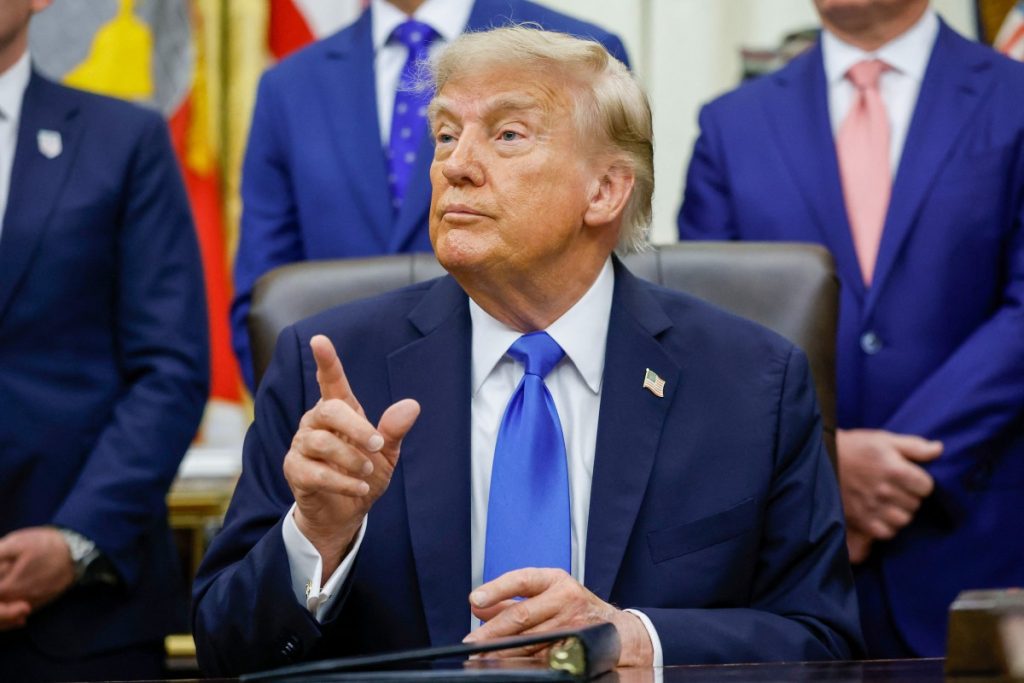
Trump Reflects on Toughness of Mass Deportation Policy Amid Election Fallout
In a recent interview, former U.S. President Donald Trump acknowledged that his mass deportation strategy might have been excessively harsh. This admission comes in the wake of significant losses for the Republican Party in the midterm elections, prompting discussions on immigration policies within the party.
APC Leader Highlights Alarming 73% Voter Apathy in Aramoko Ahead of 2027 Elections
Engineer Atinuke Owolabi, a prominent APC figure, warns that a striking 73% of registered voters in Aramoko-Ekiti did not participate in the recent presidential election, underscoring a critical need for voter education. During a community engagement event, she emphasized that increased awareness could bolster democratic participation in rural areas.

Atiku Abubakar's Candidacy Survives Legal Challenge Amid National Controversy
Former Vice-President Atiku Abubakar's bid for the 2027 elections remains intact, following a dramatic legal reversal that nullified the disqualification of his party's candidates. The unexpected turn of events has reignited discussions about his political resilience and future prospects.